

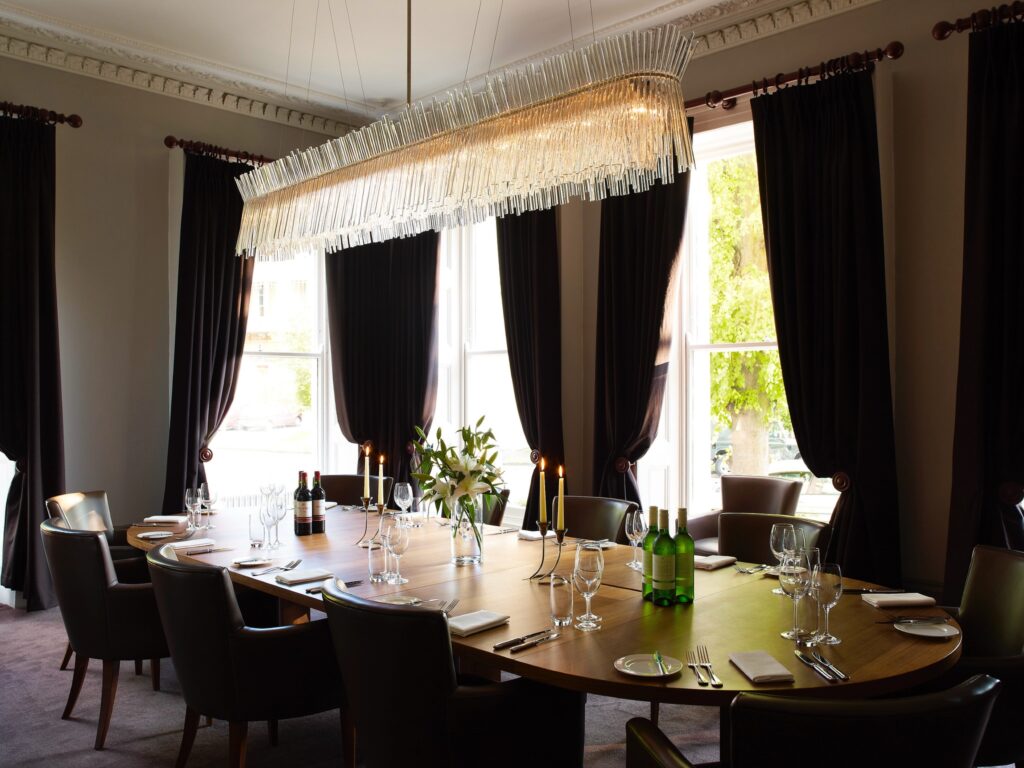
The invisible labor behind a French dinner party — and why the most important moments happen long before your guests arrive.
FRANCIS PONS
tonights dinner • dinner for four
apertif
Lavender French 75
Hors d'oeuvres
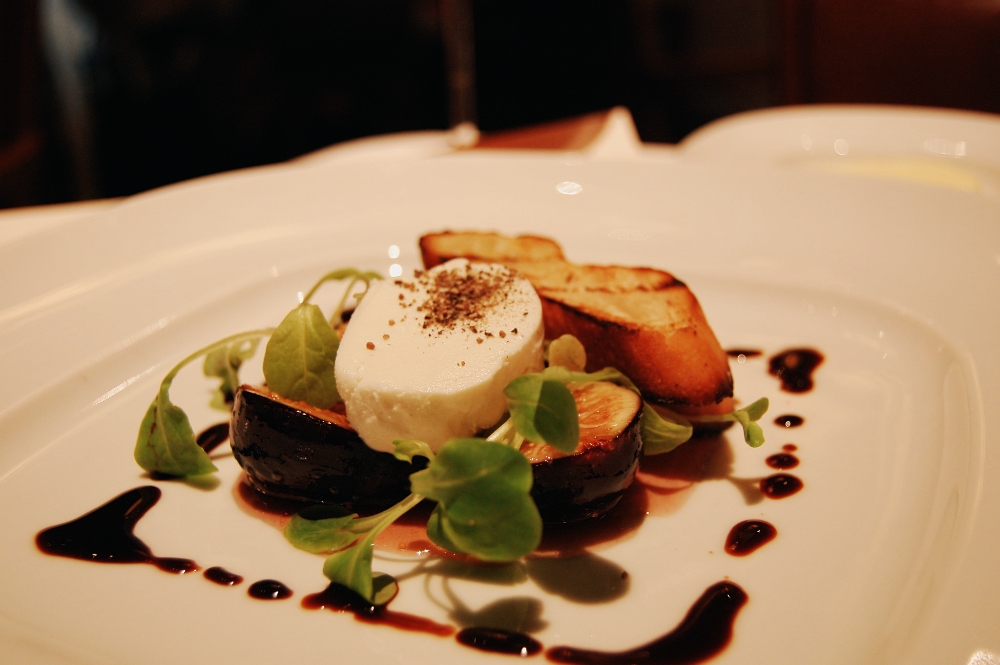
Taleggio & Mission Fig Tartine
entree
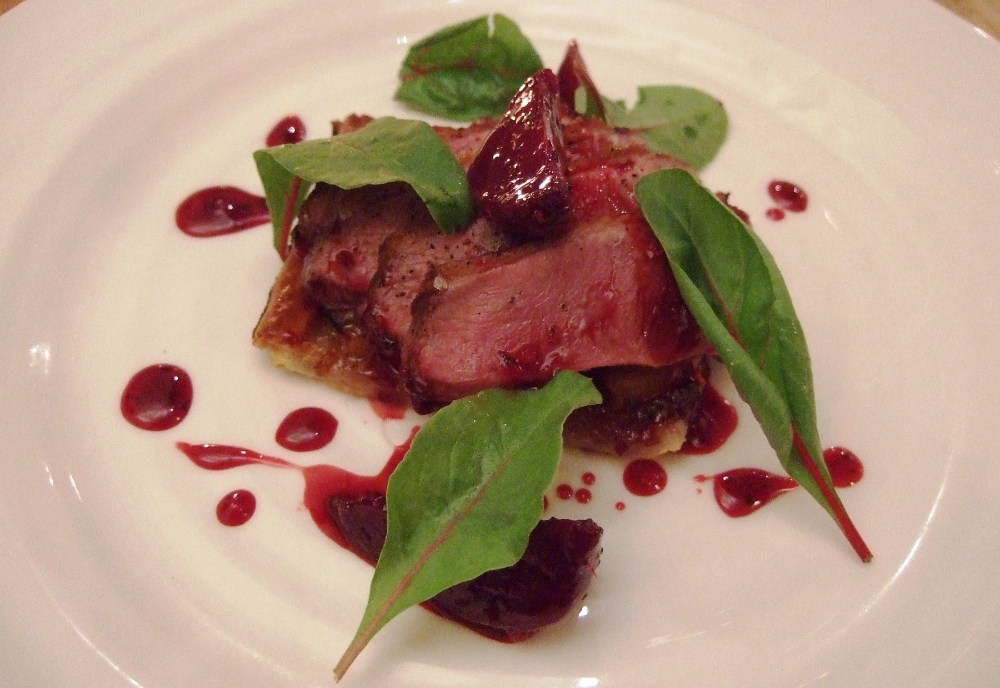
Sweet-Tart Duck Breasts with Fresh Cherry Sauce
salad
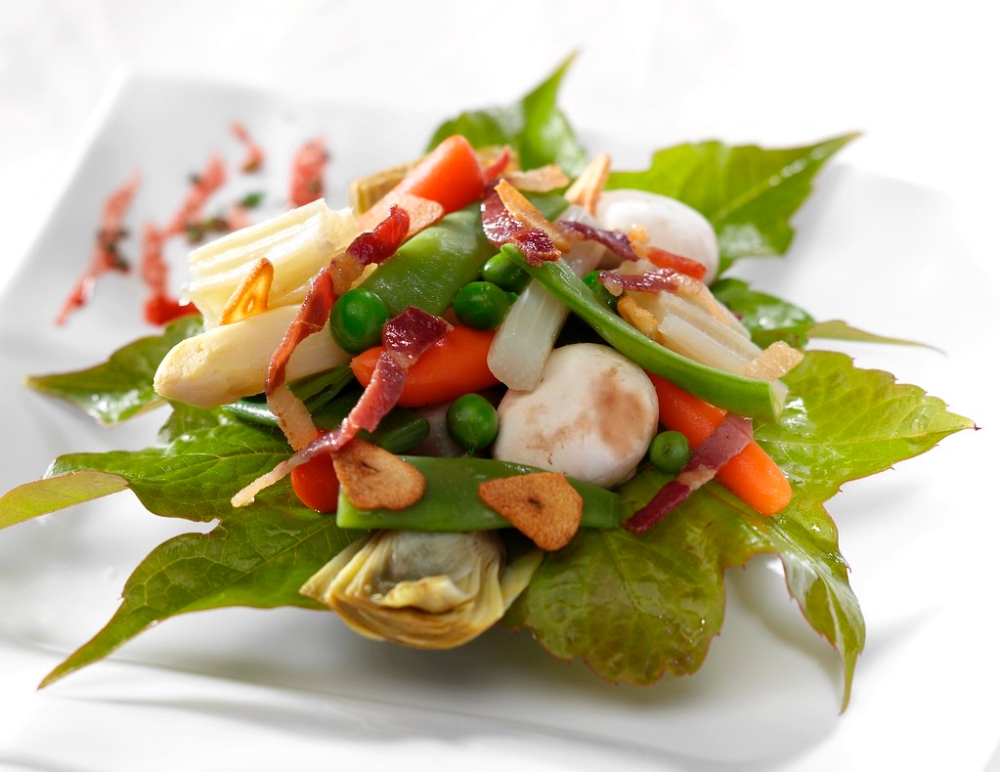
Peas & Carrots Salad with Goat Cheese and Almonds
dessert
Chocolate Mousse
Before the first aperitif is poured
People often ask me what time I arrive on the night of a dinner. The honest answer — the one that makes their eyes widen slightly — is that the evening began four days ago. This is what classical French cuisine demands of its practitioners: a sustained, patient accumulation of decisions, procurement, and preparation that renders the final service not a scramble, but a kind of choreographed inevitability.
A private dining menu for four is, in many ways, the most demanding format I work in. There is nowhere to hide. Unlike a restaurant kitchen with its brigade of cooks and its mise en place stations, I arrive in your home with everything already thought through — and nearly everything already done. What follows is an honest account of how a seasonal French dinner actually comes together, course by course, hour by counted hour.
"The menu does not begin with a dish. It begins with a question:
what does this particular season want to offer us right now?"
the process
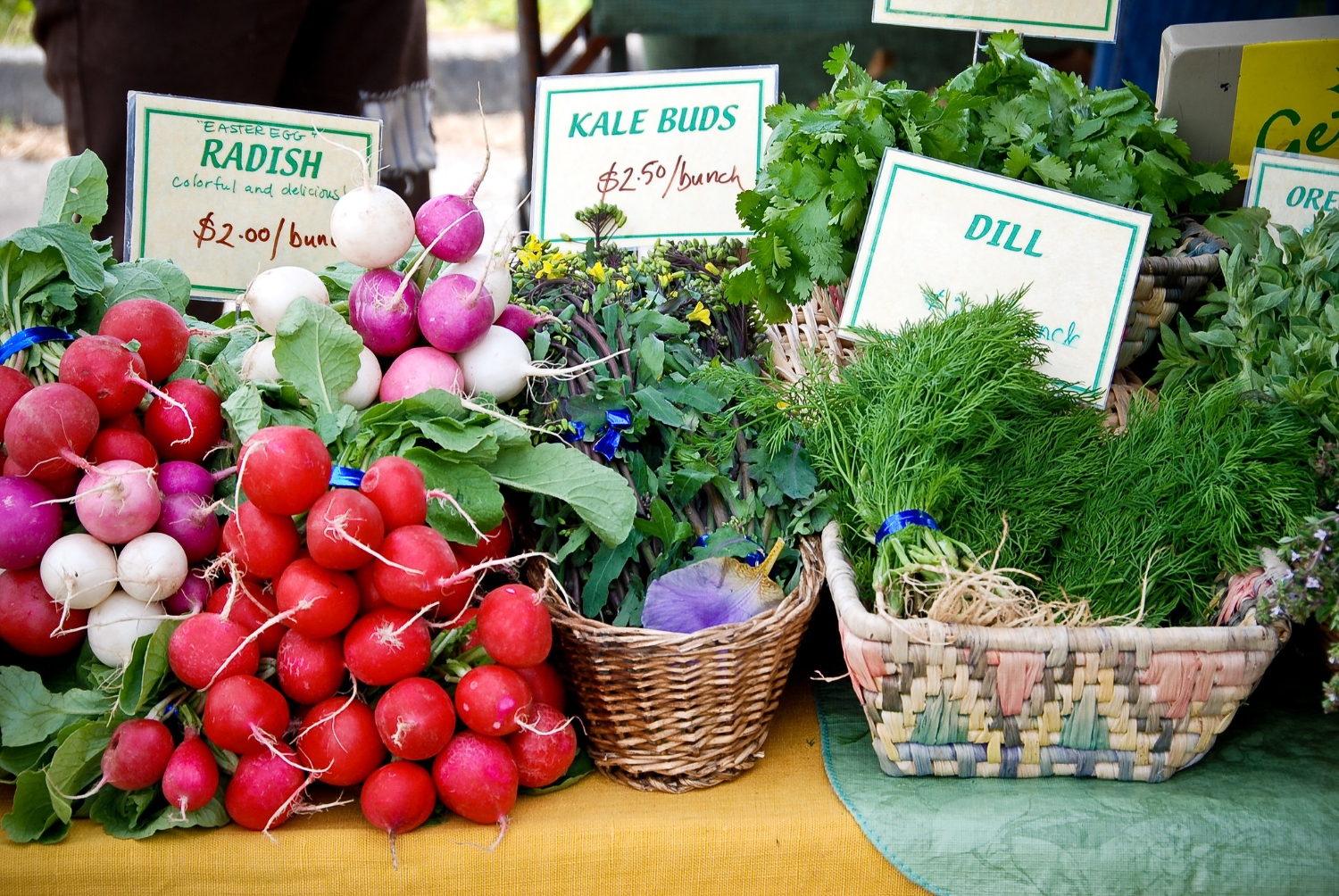
The Menu Is Born at the Market
Several days before the dinner, I visit our local resource markets — or, depending on the client’s location, exceptional purveyors across the tri-state area and Philadelphia — with a working draft in hand, not a fixed order. The seasonal menu is a living document. I am looking for confirmation: is the produce I envisioned actually magnificent today, or merely acceptable? Merely acceptable has no place at a private dinner table.
For this menu, I am sourcing with precision. The mission figs must be plump, with that faint honeyed fragrance that signals peak ripeness — not a day past it, not a day before. The duck breasts, procured from a trusted heritage-breed supplier, will undergo a dry-cure at home for 24 to 36 hours, a step invisible to guests but foundational to the extraordinary depth of flavor they will encounter. The cherries for the sauce — tart, brilliant, deeply pigmented — are a seasonal gift that demands I act decisively. They will not wait.
Apéritif
Lavender French 75 — Setting the Register
The French 75 is one of the great aperitif cocktails — gin or Cognac, lemon, simple syrup, Champagne — and I choose it not for nostalgia but for its architectural purpose. It is bright, effervescent, and gently assertive. The lavender syrup I prepare from scratch two days prior, simmering culinary lavender with sugar and water until it achieves a silky, floral depth without tipping into soap. It rests in the refrigerator, developing. The gin is selected for its botanical complexity: I want juniper forward, with a whisper of citrus peel. When poured tableside with a chilled coupe, this aperitif does something critical — it signals to your guests that the evening ahead will be taken seriously.
Hors d'oeuvres
Taleggio & Mission Fig Tartine — Luxury in Restraint
The tartine is deceptively simple and strategically chosen. After the vivacity of the French 75, I want something grounding — rich, savory, with a counterpoint of sweetness. Taleggio, that magnificent washed-rind cow’s milk cheese from Lombardy, has a buttery, slightly tangy interior that blooms when brought to room temperature. I slice the bread — a hand-cut sourdough with good crust and open crumb — and prepare the figs with a light reduction of aged balsamic and fresh thyme the evening prior. Assembly happens in your kitchen moments before service: cheese, fig, a thread of honey, perhaps a scatter of fleur de sel. These are the details that separate a thoughtful private chef from a catering tray.
Entrée
Duck Breasts — The Architecture of the Plate
The duck breast is the centerpiece, and it is the course that requires the most advance preparation and the most precise execution on the night. After dry-curing (a blend of salt, sugar, and black pepper, resting uncovered in my refrigerator for 36 hours to concentrate flavor and draw out moisture), the skin must be scored in a crosshatch pattern — shallow, uniform cuts that allow the fat to render fully without piercing the muscle. The breast starts cold in a cold pan. The fat renders slowly. Then it sears. Then it finishes in a low oven, resting under foil before slicing.
The fresh cherry sauce — made with pitted sour cherries, a good Pinot Noir reduction, shallots, and a finishing knob of cold butter — is prepared earlier in the day and held warm. It is the sweet-tart counterpoint the duck begs for: acidic enough to cut through the richness, fruity enough to feel celebratory. This is classical French technique in its highest expression: canard au jus de cerises, simplified for intimacy, perfected through preparation.
Salad
Peas, Carrots, Goat Cheese & Almonds — The Palate Reset
The French serve the salad after the entrée, not before — a sequencing decision of profound wisdom. After the richness of duck, the palate needs a clean, verdant interlude before dessert. This salad is composed, not tossed. Blanched sweet peas, shaved carrots dressed lightly in a lemon-Dijon vinaigrette, crumbled chèvre from a quality creamery, and toasted Marcona almonds for crunch and a whisper of salt. The vinaigrette is made that morning — emulsified, tasted, adjusted. The almonds, toasted in a dry pan and cooled. The vegetables blanched and shocked in ice water to preserve their brilliance. Everything waits in its own container, united only at the last moment before plating.
Dessert
Chocolate Mousse — The Classic Has the Last Word
The mousse is made the night before. It must be. A properly made chocolate mousse requires hours of refrigeration to set into that cloud-like, aerated texture that distinguishes it from every lesser imitation. I use single-origin dark chocolate — minimum 70% cacao — melted with unsalted butter, folded with egg yolks tempered by a touch of espresso, and then unified with stiff-peaked egg whites and softly whipped cream folded in with the lightest hand the kitchen will permit. It chills overnight. On the night, I portion it at the table with a warm spoon: a quenelle, a single flourish of fleur de sel, perhaps a curl of candied orange peel. The drama of simplicity, executed without apology.
What You Don't See Is What You Taste
Every element above is researched, sourced, pre-prepared, and timed with precision across multiple days. But before any of it reaches your kitchen and your table, there is one additional dimension to the private dining experience that must be acknowledged: the delivery.
A note on delivery: All ingredients, prepared components, specialized equipment, and mise en place travel with me — carefully packed, temperature-controlled, and organized for the specific sequence of your menu. This is not a small logistical undertaking. The care taken in transporting everything from my prep space to your home is itself a layer of the service: ensuring that what was prepared to excellence arrives to your kitchen in precisely that condition, ready to be transformed — in your space, at your table — into the dinner your guests will remember.
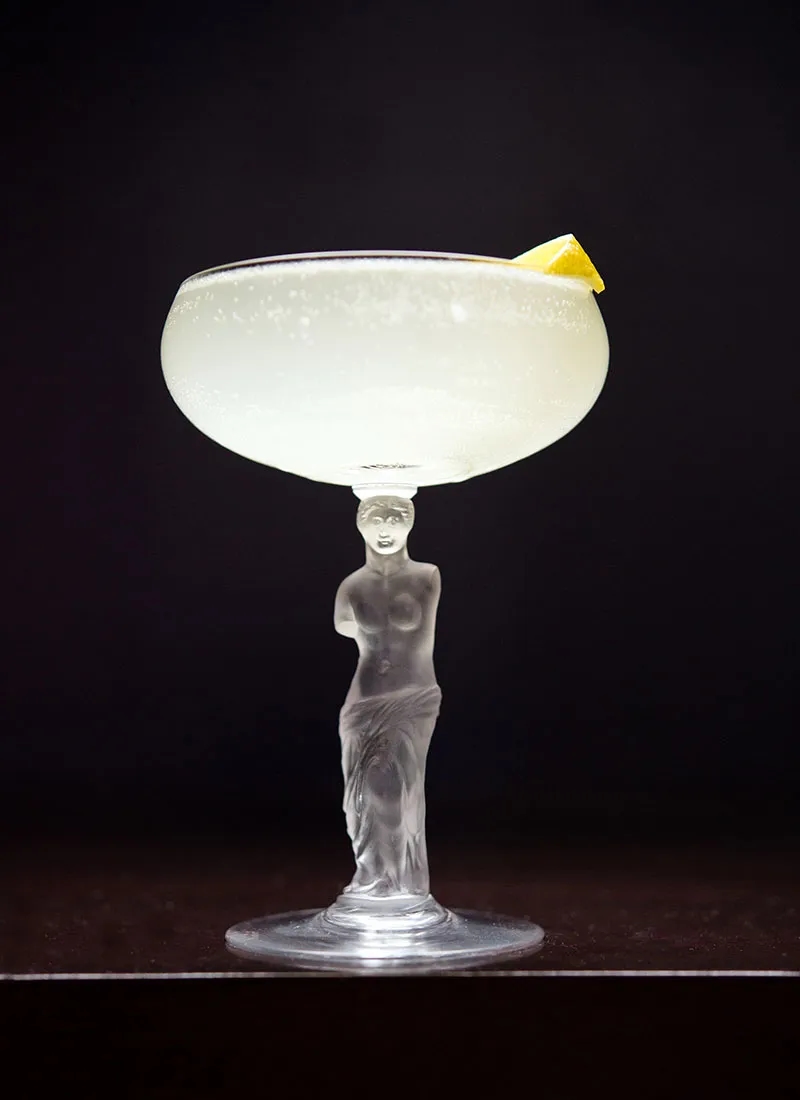
The french 75
The French 75 is a classic aperitif made from gin, lemon juice, simple syrup, & Champagne, named after the 75 mm French field gun used during World War I for its potent kick.
Ingredients and Preparation
The standard recipe combines 30 mL (1 oz) gin, 15 mL (0.5 oz) lemon juice, 15 mL (0.5 oz) simple syrup, & 60 mL (2 oz) Champagne. To prepare, shake the gin, lemon juice, & syrup with ice, strain into a chilled Champagne flute, & top with Champagne.
History and Variations
While the aperitif origins are debated, barman Harry MacElhone claimed it was invented at the New York Bar in Paris in 1915, though the classic gin version first appeared in print in 1927 and was popularized by The Savoy Cocktail Book in 1930. Variations include the French 125 (using cognac instead of gin) and the French 95 (using bourbon).



Thank you for this.
Wow! That’s some work there.