

French technique encompasses a lot. One is the principle of mise en place, which translates to “everything in its place.” It’s a simple idea with a profound impact: prepare all your ingredients before you start cooking. This means chopping your vegetables, measuring your spices, trimming your meats, and laying everything out in bowls.
"Practicing mise en place—a French term meaning “everything in its place”—is essential for smooth, stress-free cooking."
How to Get Better at Home Cooking | Guide in 2025
8 steps to master french technique
1. The Art of Classic French Cooking
French technique is not magic — it is method. Master the foundational techniques, and you hold the keys to one of the world’s greatest culinary traditions. Let me walk you through the essential pillars of the French kitchen.
2. Mise en Place: The Foundation of Everything
Before a single flame is lit, a French chef prepares. Mise en place — French for “everything in its place” — is the discipline of organizing and preparing all your ingredients before cooking begins. Every vegetable is diced, every herb is picked and chopped, every sauce component measured and ready at arm’s reach.
This is not merely a kitchen habit — it is a philosophy. When the heat is high and time is short, there is no room to hunt for a missing shallot or fumble with a dull knife. Mise en place transforms cooking from chaos into choreography. Beginners who adopt this practice immediately cook with more confidence, more precision, and far fewer mistakes. Before you cook anything French, set your station. Prepare your tools. Know your recipe entirely. Then begin.
3. Braising: Low, Slow, and Glorious
How to braise is one of the most rewarding skills you can acquire. Braising is a two-stage technique: first, a hard sear in a hot pan to develop a rich, caramelized crust, followed by a long, slow cook in a small amount of liquid — wine, stock, or aromatics — in a covered vessel.
The French use braising for tougher cuts of meat: short ribs, lamb shoulder, duck legs, osso buco. The low, moist heat breaks down collagen into silky gelatin, transforming something humble into something magnificent. Think of Boeuf Bourguignon — a peasant dish elevated to legend purely through technique.
The perfect french technique for a perfect braise: dry your protein thoroughly before searing (moisture is the enemy of color), build layers of flavor with mirepoix and aromatics, and never let the liquid boil. A gentle simmer is your friend. Patience is not optional.
4. Sauce-Making: The Soul of French Cuisine
No element separates French cooking from all others more distinctly than its sauces. Understanding classical French sauces begins with the mother sauces — the five foundational preparations from which hundreds of derivatives flow: Béchamel (milk-based), Velouté (light stock-based), Espagnole (brown stock-based), Sauce Tomat (tomato-based), and Hollandaise (emulsified butter and egg yolk).
Each mother sauce is a universe unto itself. From Espagnole you build a Demi-Glace, then a Bordelaise. From Hollandaise comes Béarnaise. From Velouté, a Suprême. The logic is architectural — learn the structure, and the variations become intuitive.
A proper french technique for a homemade sauce is glossy, balanced, and coats a spoon without being heavy. It should never overpower; it should complete. The technique of monter au beurre — finishing a sauce by swirling in cold butter at the very end — gives French sauces their characteristic richness and sheen.
5. Roasting: Confident Heat
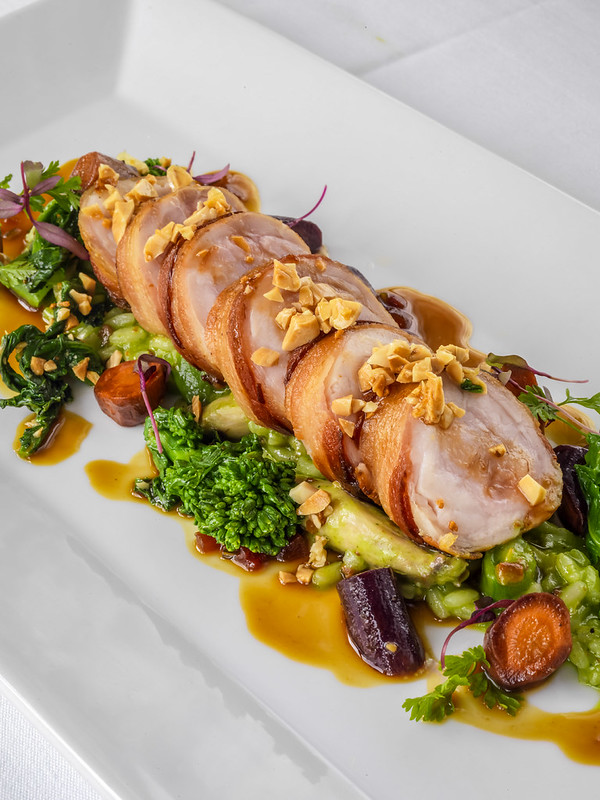
Roasting is the art of cooking proteins and vegetables in an open pan with dry, circulating heat. The French technique for roasting with tremendous respect for resting time and basting. A roasted chicken — poulet rôti — is one of the benchmarks of French home cooking: a bird rubbed with butter, seasoned generously, and roasted at high heat to crisp the skin before the temperature drops to finish the interior with gentle, even heat.
The cardinal rule: never cut into roasted meat immediately. Rest it. The muscle fibers, contracted under heat, need time to relax and redistribute their juices. A rested roast is a juicy roast. A rushed roast is a dry one.
6. Sautéing: Speed and Precision
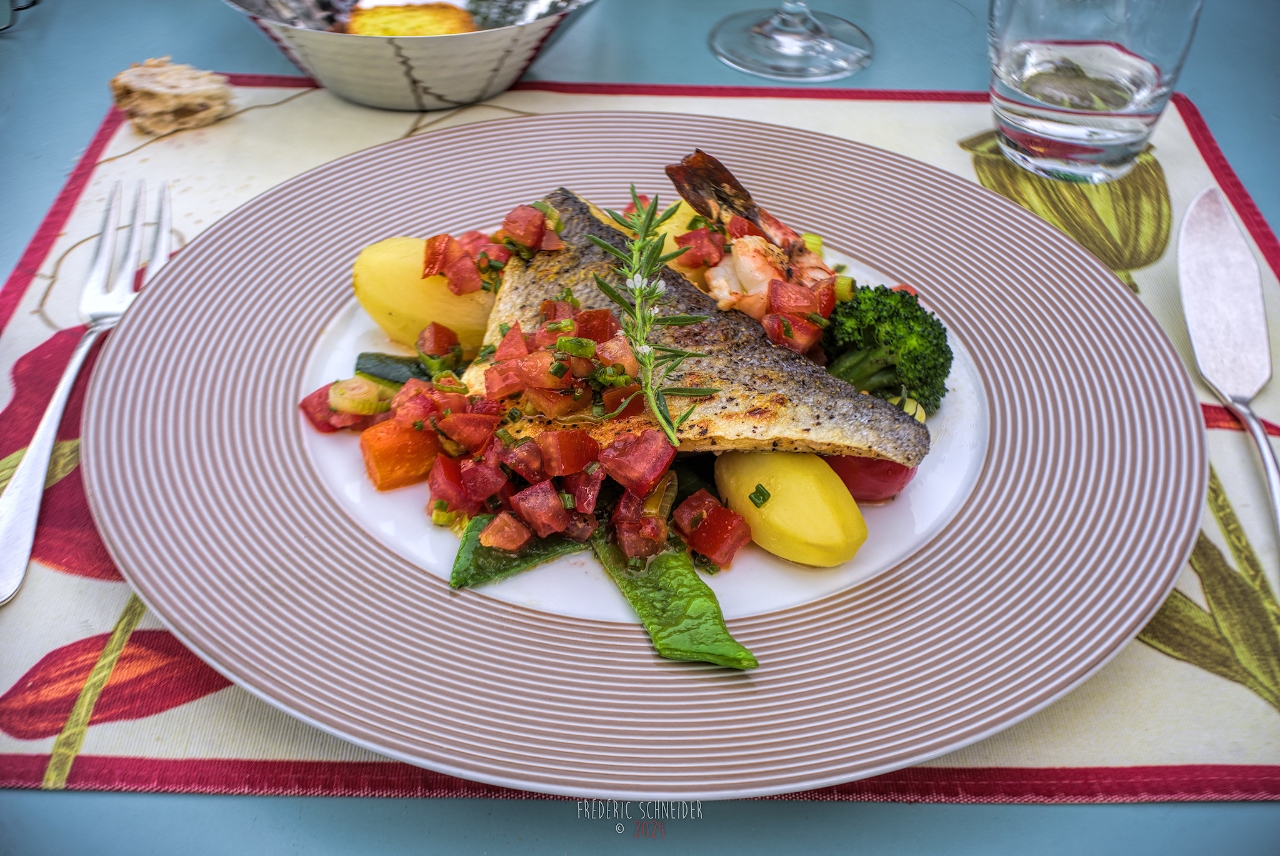
From the French sauter — “to jump” — sautéing is high-heat, fast cooking in a small amount of fat. It is the technique behind countless French classics: poulet sauté, pan-seared fish, vegetables tossed in butter. The pan must be hot before the food enters it. A cool pan means steaming, not searing; pallid food, not golden.
The secret is control. Watch the color, listen to the sound, and move quickly. French technique in sautéed foods says that it should have vivid caramelization on the outside while remaining perfectly tender within. This requires confidence — resist the urge to move food too soon. Let the crust develop, then release naturally.
7. Poaching: Elegance in Gentleness
Poaching is the quiet counterpart to all that heat and drama. It involves submerging food in liquid — water, court bouillon, stock, or wine — held just below a simmer, typically between 160–180°F (71–82°C). The result is extraordinarily tender, delicate texture without any browning. Classic french technique should include poached salmon, œufs pochés (poached eggs), and the beloved poires Belle Hélène — poached pears in vanilla syrup with chocolate sauce.
The poaching liquid is always seasoned or flavored. It is not passive water — it is a tool for building flavor from the outside in.
8. Plating and Last-Minute Seasoning: Where Art Meets Craft
Explore French techniques long enough, and you realize that a dish is not finished when the cooking stops — it is finished when it reaches the eye.
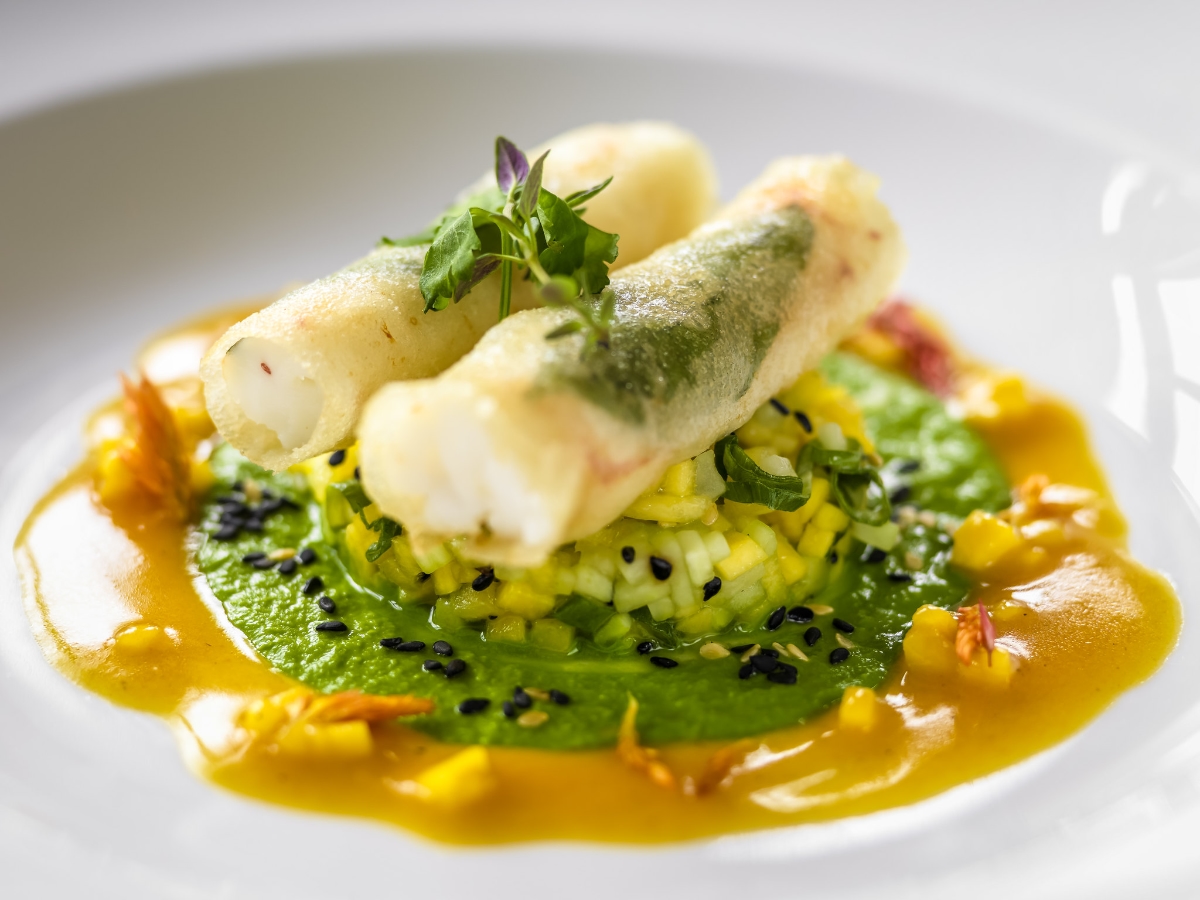
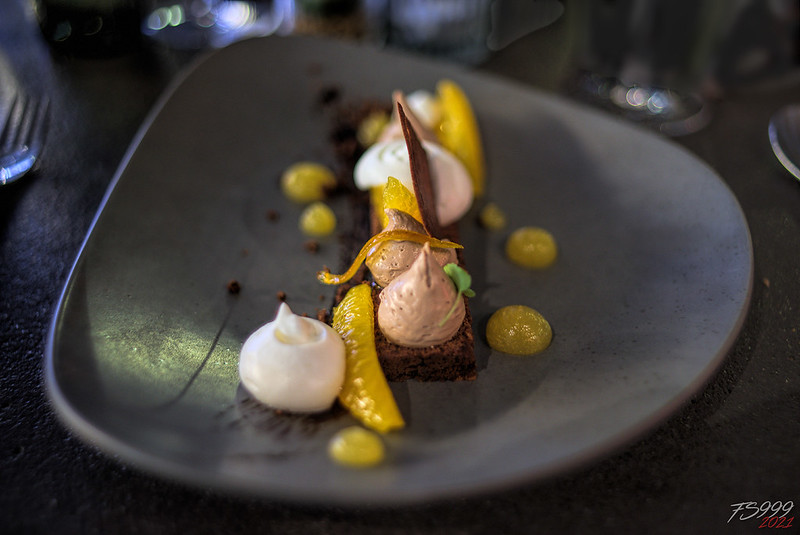
Beautiful plating in the French tradition follows a few principles: height creates drama, odd numbers feel natural (three quenelles, not two), negative space is elegant (never crowd the plate), and sauce belongs beneath or beside, not drowning the ingredient. Use tweezers, spoons, and squeeze bottles with intention. A smear of purée, a scattering of fresh herbs, a single edible flower — each element should earn its place.
And always — always — taste and season at the very last moment. Heat dulls salt perception. A dish that tasted perfect at the stove may need a final pinch of fleur de sel the instant before service. This last adjustment is what separates a good cook from a great one. The French call it le dernier geste — the final gesture. Make it count. The French technique.


This is most impressive. My Gourmet Group would love a cooking class like this.
Hi Suzanne…
Francis does give cooking classes, demonstrations & dinner parties…
I am happy to discuss with you at your convenience. We are currently in France, due back in the States on May 1. My cell: 917.400.4431. You are welcome to text me prior to that and/ or, we can set up a time to chat.
Mise en place. Sounds like OCD but you need it in the kitchen, huh?
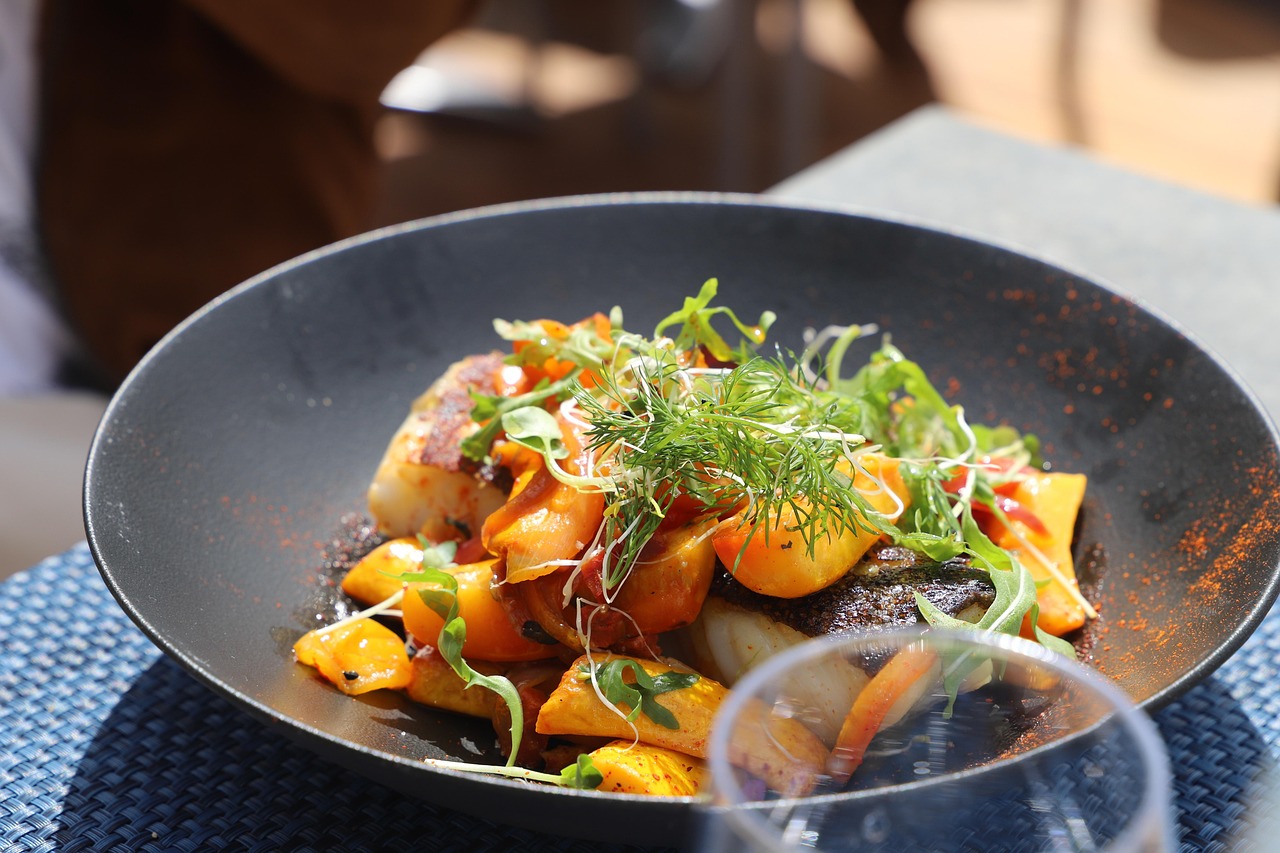
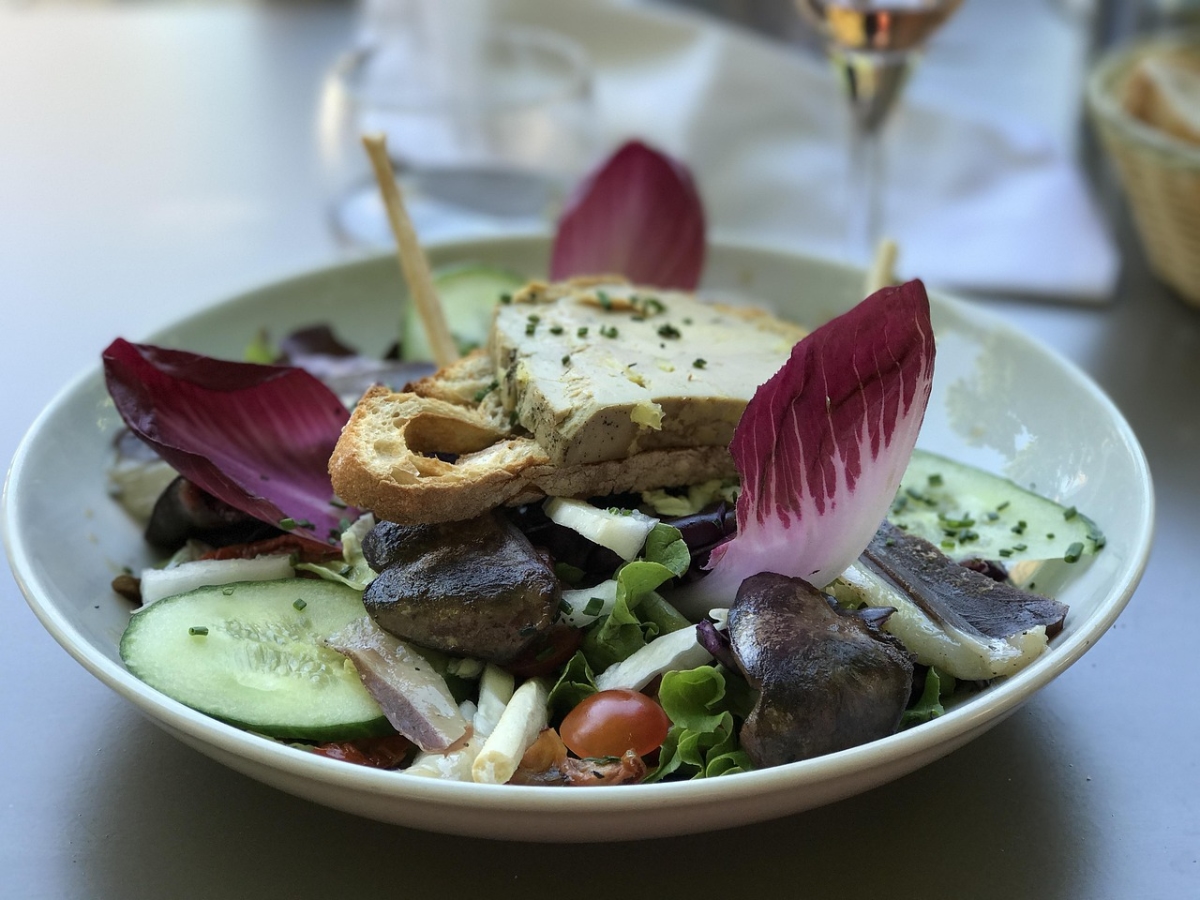
What lovely photos
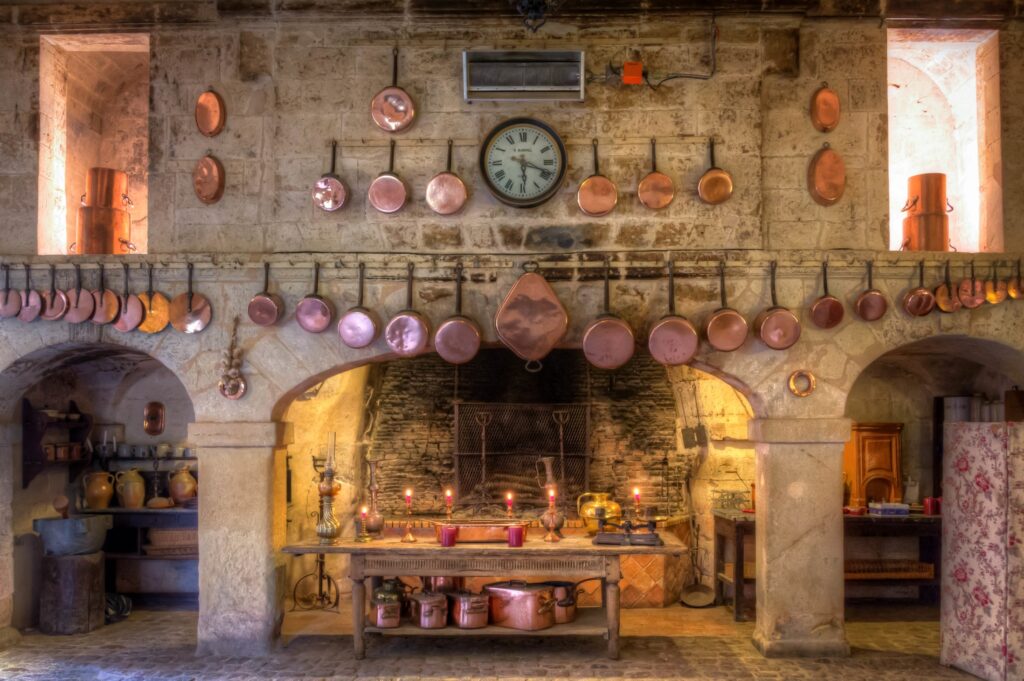
I LOVE the image of those copper pots over the fireplace!