

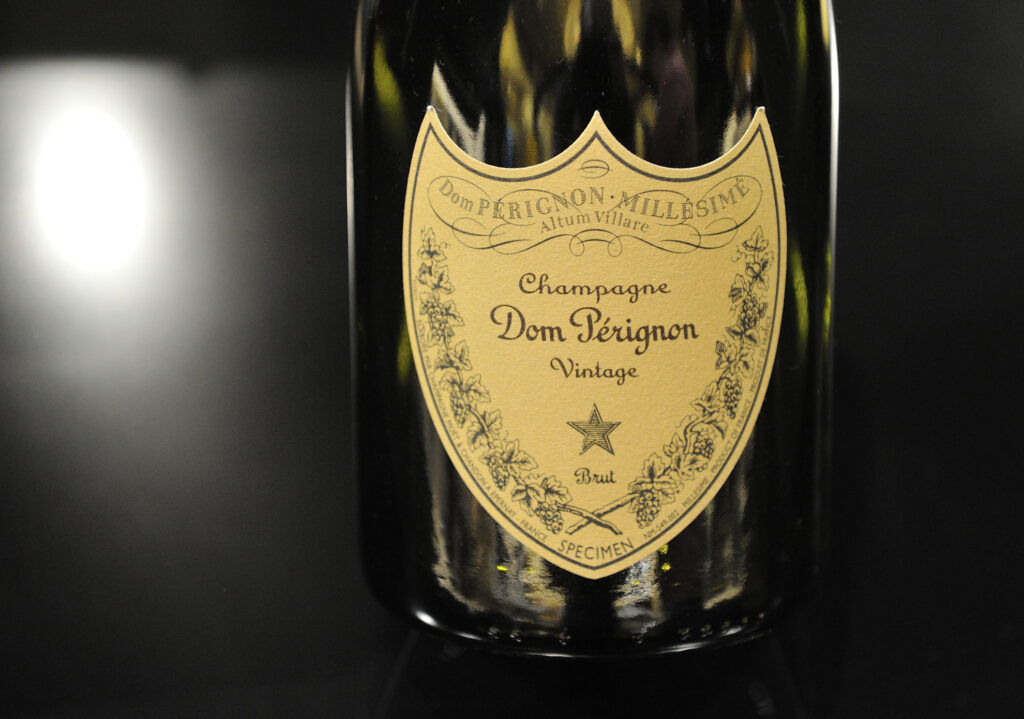
In the world of fine wines, few names evoke as much opulence and celebration as Dom Perignon. This champagne isn’t just any sparkling wine—it’s the epitome of Champagne excellence, a symbol of sophistication sipped by royalty, celebrities, and connoisseurs alike. Priced from $200 to thousands per bottle depending on the vintage, Dom Perignon commands attention not only for its hefty tag but for its unparalleled craftsmanship. But what exactly is Dom Perignon? Where does it hail from, and what elevates it above the sea of bubbly alternatives? Let’s uncork the history, origins, and secrets behind this legendary libation, revealing why it remains a benchmark of luxury in 2026.
Dom Perignon’s Secret Weapon
At its core, Dom Perignon is a prestige cuvée—a high-end, vintage-only Champagne produced by the renowned house of Moët & Chandon. Unlike non-vintage Champagnes that blend grapes from multiple years for consistency, Dom Perignon is exclusively made from grapes harvested in a single exceptional year, capturing the essence of that season’s terroir and climate. This commitment to vintage purity means it’s not produced every year; only when conditions are deemed perfect by the cellar master. The wine is a blend primarily of Chardonnay and Pinot Noir grapes, resulting in a complex, effervescent elixir with notes of citrus, brioche, almond, and subtle minerality that evolves beautifully with age. Available in Brut (dry), Rosé, and rare P2 or P3 plenitudes (extended aging editions), it’s designed for both immediate enjoyment and long-term cellaring, where flavors deepen into honeyed, toasty profiles.
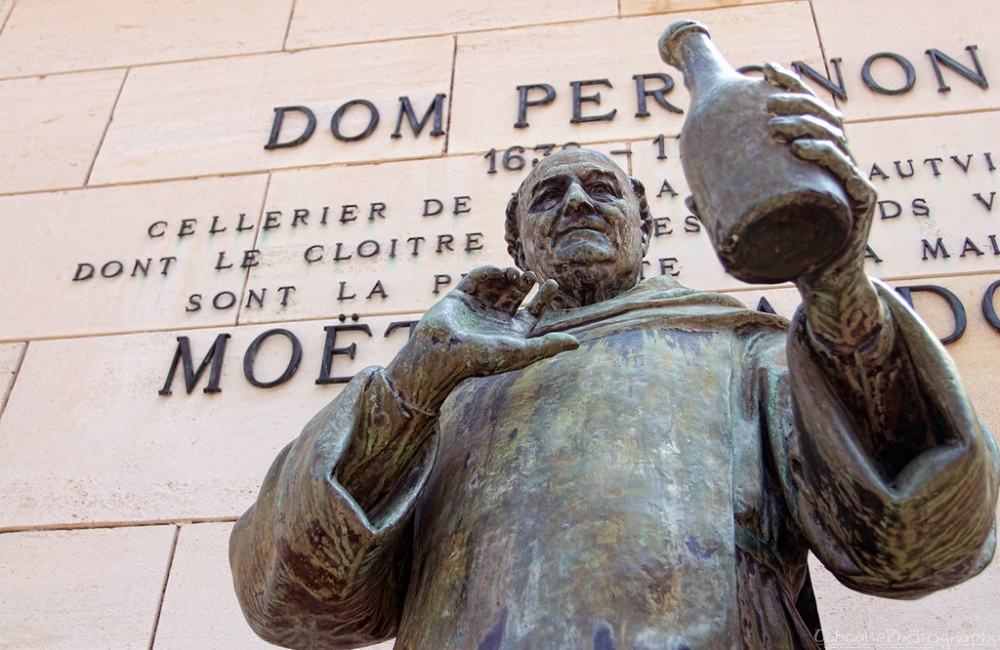
The name honors Dom Pierre Perignon, a 17th-century Benedictine monk born in 1638 in Sainte-Menehould, France. Contrary to popular myth, he didn’t “invent” Champagne or exclaim, “Come quickly, I am tasting the stars!” upon discovering bubbles—that’s a romantic fabrication popularized in the 19th century. Instead, as cellar master at the Abbey of Hautvillers from 1668 until his death in 1715, Perignon revolutionized winemaking in the Champagne region. He focused on quality control, introducing techniques like gentle pressing to produce white wine from red grapes (avoiding skin contact for clarity), blending grapes from different vineyards for balance, and using stronger bottles with cork stoppers secured by hemp string to contain the pressure of secondary fermentation. At the time, bubbles were often seen as a flaw—a “fault” caused by cold winters halting fermentation, only for it to restart in spring, creating unwanted fizz. Dom Perignon actually worked to minimize these bubbles, but his innovations laid the groundwork for the deliberate sparkling wines we cherish today. His legacy transformed the still wines of Champagne into something extraordinary, earning him the title “father of Champagne” in folklore.
The Heart of France's Champagne region
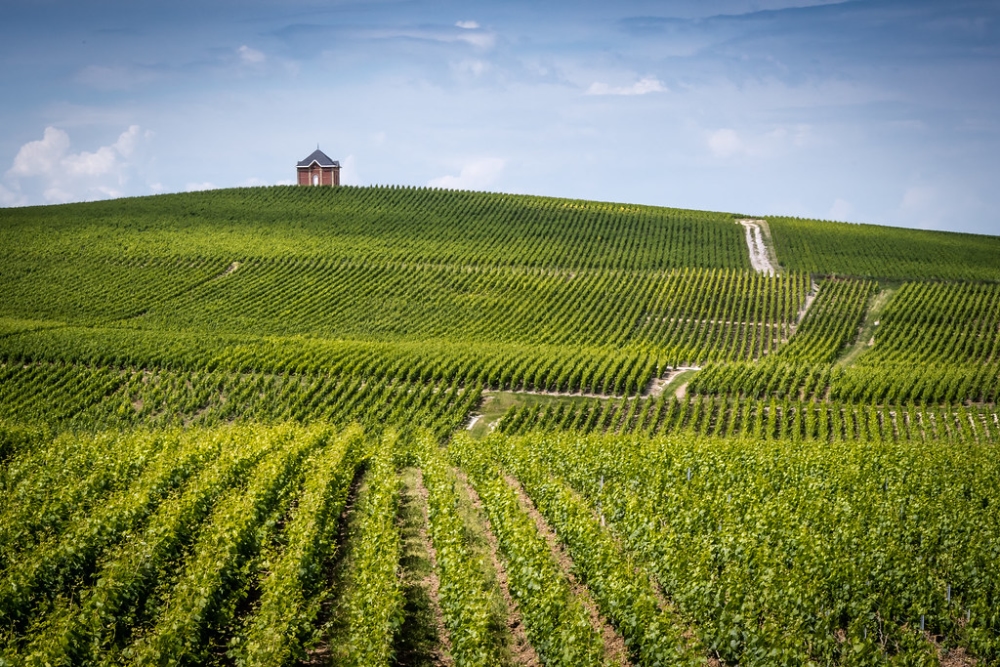
Dom Perignon originates from the heart of France’s Champagne region, a UNESCO World Heritage site spanning about 34,000 hectares in the northeast, including areas like the Marne Valley, Côte des Blancs, and Montagne de Reims. The wine is produced exclusively by Moët & Chandon, founded in 1743 and now part of the luxury conglomerate LVMH (Louis Vuitton Moët Hennessy), at their historic cellars in Épernay. The grapes are sourced from premier Grand Cru vineyards, such as those in Hautvillers where the monk once tended vines—sites like Aÿ, Bouzy, and Cramant, known for their chalky soils that impart minerality and acidity essential for aging. This terroir, with its cool climate and limestone subsoil, is protected by strict AOC (Appellation d’Origine Contrôlée) regulations, ensuring only wines from this region can be called Champagne. The Abbey of Hautvillers, perched on a hillside overlooking the Marne River, remains a spiritual home for the brand, with Perignon’s tomb still there, inscribed with his contributions to viticulture.
The brand, Dom Perignon, itself was born in the 20th century, a clever marketing move by Moët & Chandon. The first vintage was 1921, but it wasn’t released until 1936, shipped to the UK for Simon Bros. & Co.’s centenary and later to the U.S. aboard the SS Normandie. American billionaire James Buchanan Duke ordered 100 bottles, some of which fetched high prices at auction decades later. This debut positioned Dom Perignon as an ultra-premium offering, distinct from Moët’s standard lineup. Today, under cellar master Vincent Chaperon (who succeeded Richard Geoffroy in 2019), production continues in Épernay’s vast underground cellars, a labyrinth of 28 kilometers housing millions of bottles.
What truly sets Dom Perignon apart is its uncompromising pursuit of excellence, blending tradition with innovation. Each vintage is a “creation,” not a mere product—only released if the year yields grapes of exceptional quality, resulting in gaps like no 2005 or 2007. The process adheres to the traditional méthode champenoise: hand-harvested grapes undergo primary fermentation, then blending (assemblage) of up to 200 base wines for harmony. Secondary fermentation in the bottle creates the bubbles, followed by extended lees aging—minimum seven years for standard vintages, up to 12-15 for P2 (second plenitude) or 20-30 for P3 (third plenitude), where complexity peaks. This aging imparts creamy textures and autolytic flavors like toasted bread, unique to fine Champagnes.
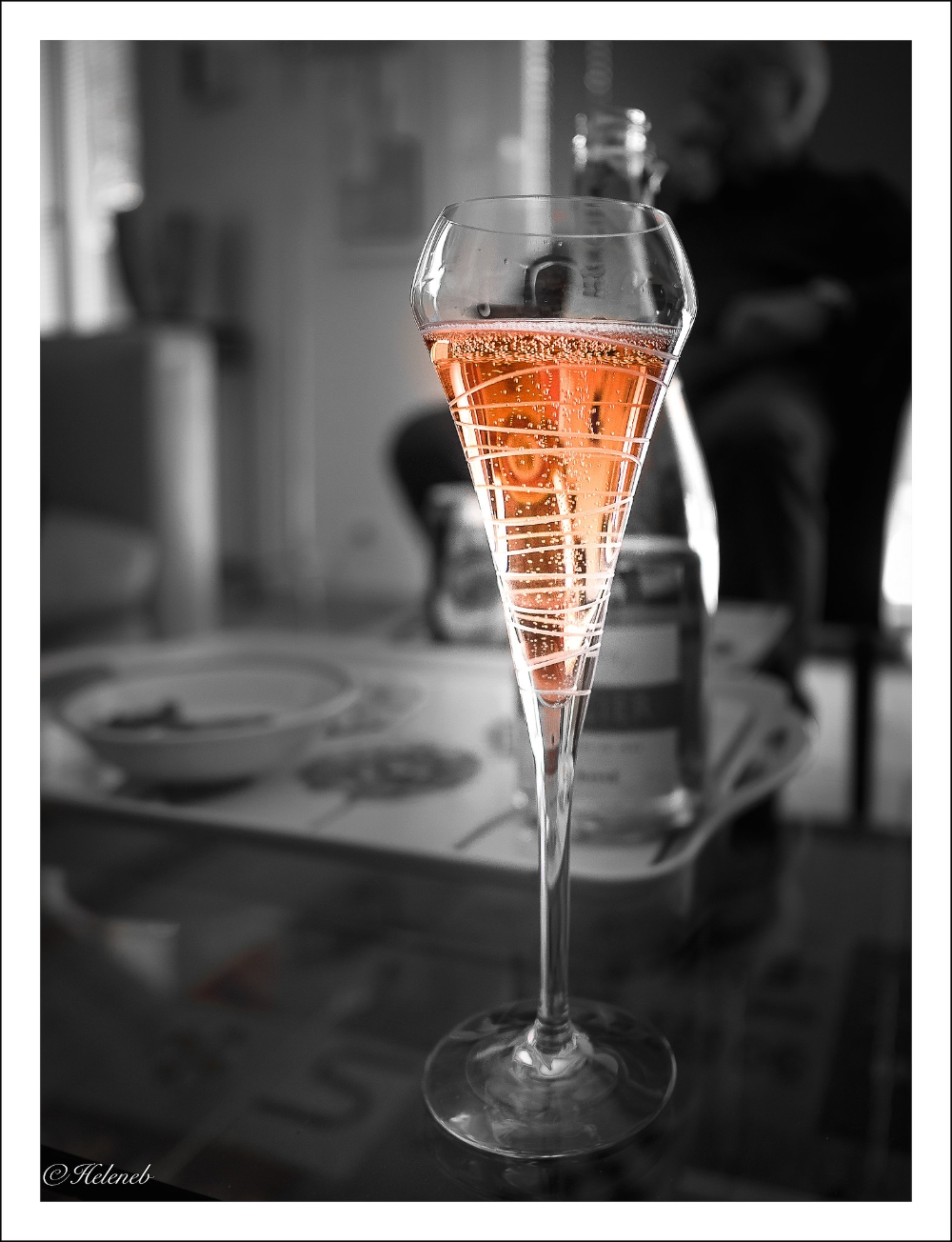
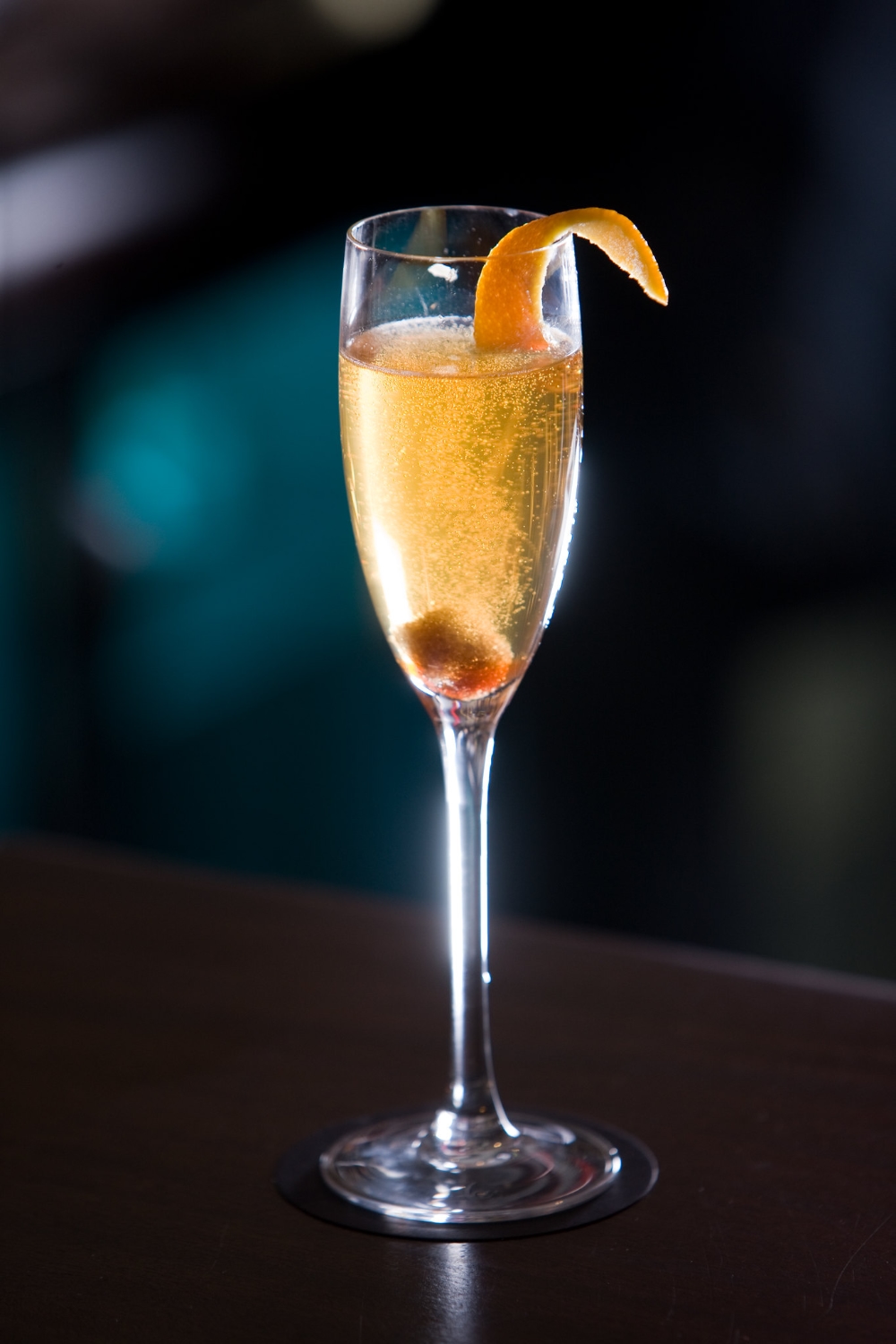
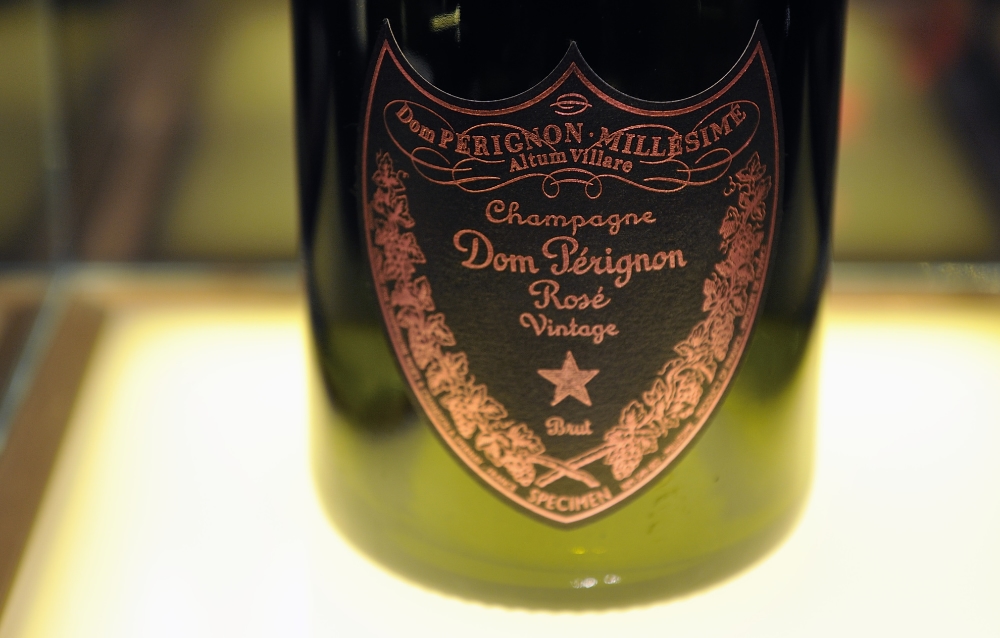
Sustainability adds to its allure; Moët & Chandon practices organic viticulture in select plots, combating climate change while preserving biodiversity. The wine’s structure allows it to age gracefully for decades—vintages like 1961 or 1990 are legends among collectors, often auctioned for thousands. Culturally, Dom Perignon is woven into pop culture: featured in James Bond films, rapped about by artists like Jay-Z, and poured at events like the Oscars or royal weddings. Its iconic shield-shaped label, inspired by 17th-century heraldry, and green bottle evoke timeless elegance.
Yet, the specialty of Dom Perignon lies in the sensory experience—a pop of the cork releasing fine, persistent bubbles, followed by a symphony of aromas and flavors that tell a story of the vintage. As Geoffroy once described a 1921 tasting: notes of sandalwood, vanilla, and praline. This isn’t mass-produced fizz; it’s art in a bottle, justifying prices that reflect rarity (only about 5-6 million bottles annually across vintages).
In a world of sparkling wines from Prosecco to Cava, Dom Perignon French Champagne pedigree, historical depth, and meticulous craftsmanship make it irreplaceable. Whether celebrating a milestone or savoring solitude, it embodies luxury’s essence. For more, explore the official Dom Perignon website or delve into its history on Wikipedia. Raise a glass—here’s to the monk who sparked a revolution!
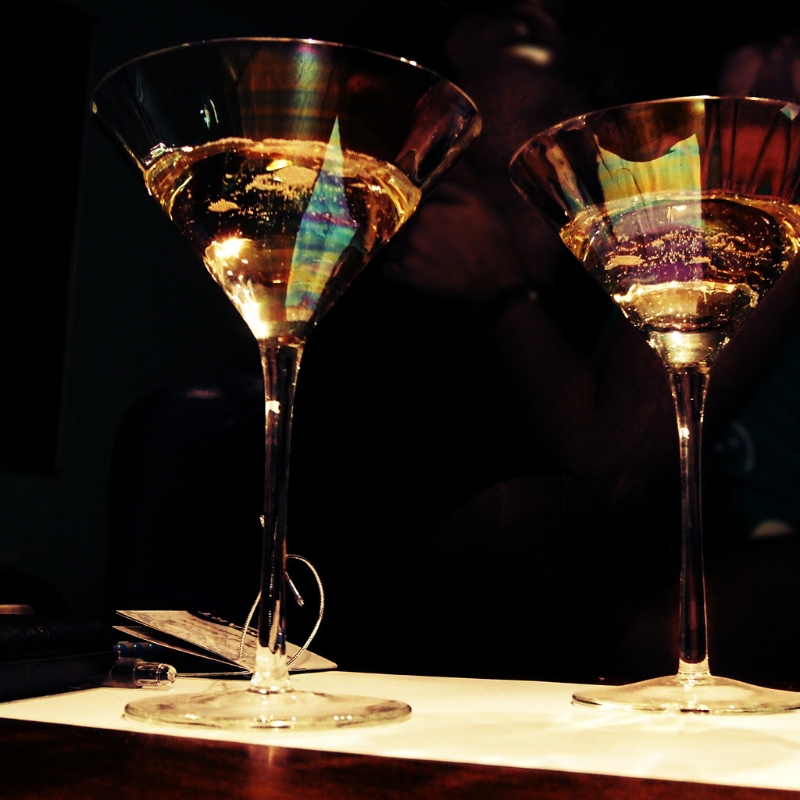
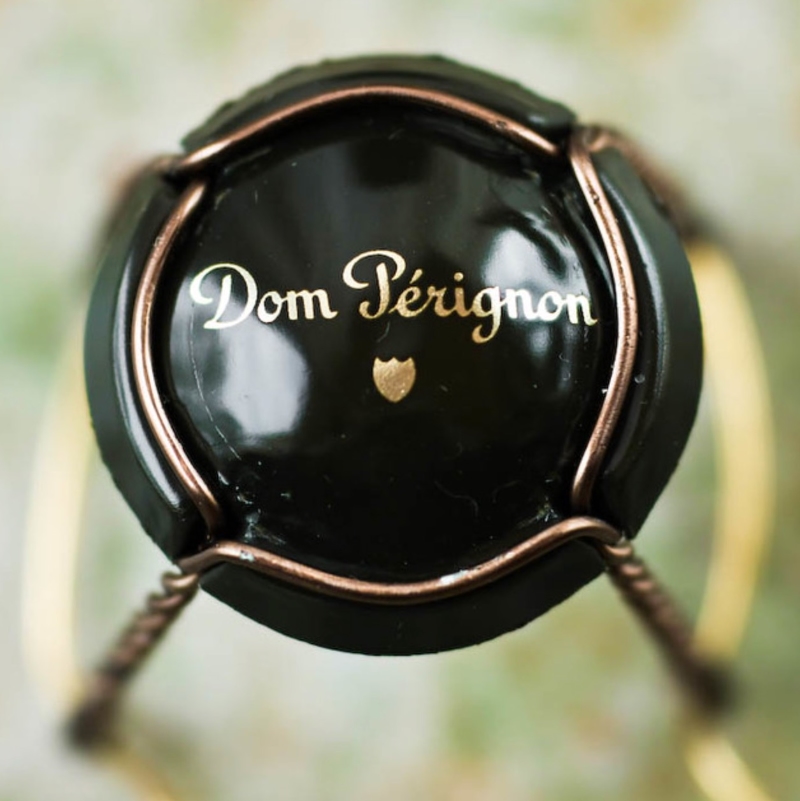
always a sophisticated crowd-pleaser
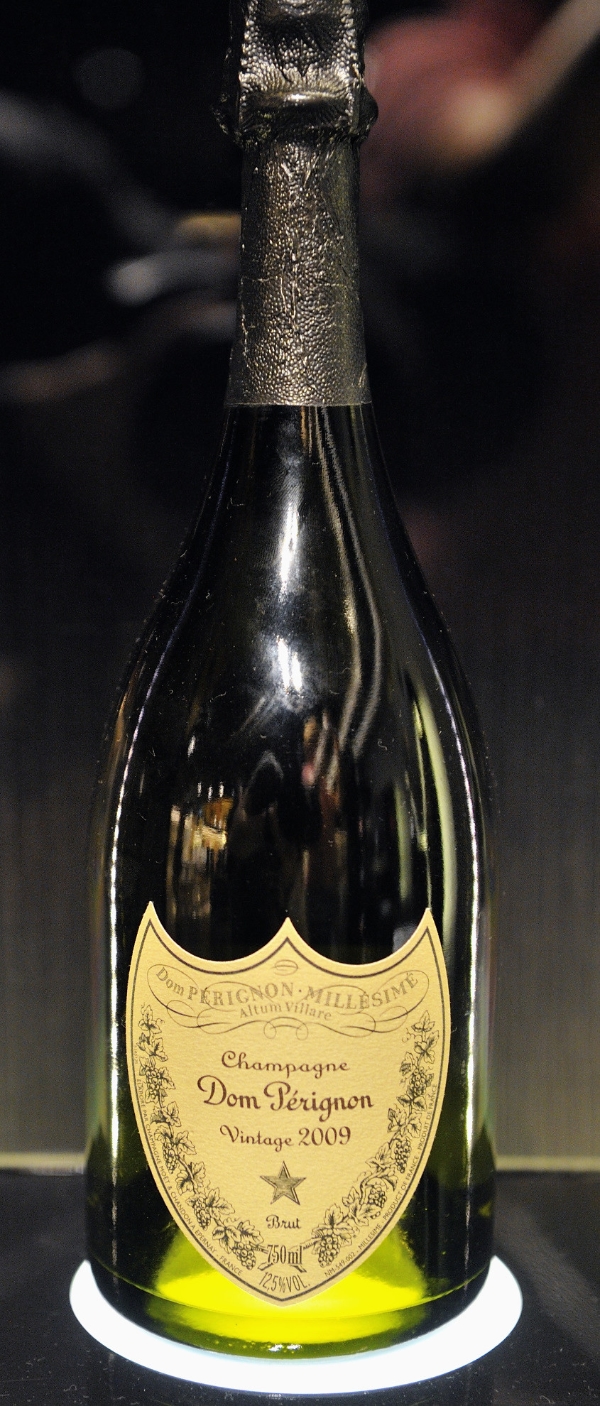
Here’s a fantastic champagne cocktail recipe that’s timeless, elegant, and always a crowd-pleaser: the French 75. This classic combines the crisp effervescence of Dom Perignon champagne with gin, fresh lemon, and a touch of sweetness for a bright, refreshing sip that’s sophisticated yet lively—perfect for celebrations, brunches, or any occasion where you want something bubbly and impressive.
Named after a powerful French 75mm field gun from World War I (due to its “kick”), the Dom Perignon cocktail dates back to the 1910s or 1920s in Paris. It first appeared in print around 1925 in Harry’s ABC of Mixing Cocktails and became a Prohibition-era favorite in the U.S. The combo of gin, citrus, sugar, and sparkling wine creates a balanced, effervescent drink that’s far more exciting than plain champagne but still lets the bubbles shine.
While any good dry champagne (or sparkling wine like Cava or Prosecco for a budget-friendly twist) works beautifully, if you’re using something premium like Dom Perignon, it elevates the cocktail to pure luxury—the fine bubbles and complex notes of citrus, toast, and minerality really pop.
Classic French 75 Recipe
Serves 1 | Prep time: 5 minutes
• Ingredients:1 oz (30 ml) gin (London dry like Tanqueray or Beefeater for classic vibes; a botanical-forward one adds extra flair)
• ½ oz (15 ml) fresh lemon juice (squeeze it fresh—bottled won’t cut it)
• ½ oz (15 ml) simple syrup (equal parts sugar and water; heat to dissolve, then cool)
• 3–4 oz (90–120 ml) chilled champagne or brut sparkling wine
• Ice cubes
• Garnish: lemon twist or thin lemon wheel
Equipment: Cocktail shaker
• Jigger
• Fine strainer (optional for extra smoothness)
• Chilled champagne flute or coupe glass
Step-by-Step Instructions:
• Chill your glass: Pop a champagne flute or coupe in the freezer for 5–10 minutes (or fill with ice water while you prep, then dump it).
• Shake the base: Fill a cocktail shaker halfway with ice. Add the gin, fresh lemon juice, and simple syrup. Seal and shake vigorously for 10–15 seconds until well-chilled and frothy.
• Strain: Double-strain (through the shaker’s strainer and a fine mesh if you have one) into the chilled flute or coupe to keep it silky and ice-free.
• Top with bubbles: Gently pour the chilled champagne over the mixture. Stir very lightly once or twice with a bar spoon to combine without killing the fizz.
• Garnish and serve: Express a lemon twist over the drink (hold it skin-side down and twist to release oils), then drop it in or rub it around the rim and discard. For a modern touch, add a thin lemon wheel.
Sip immediately while the bubbles are lively and the foam is at its peak. It’s boozy but balanced—crisp citrus cuts through the gin, sweetness rounds it out, and the champagne adds celebratory sparkle.
Tips & Variations:
• Sweeter version: Use a bit more simple syrup or try honey syrup for floral notes.
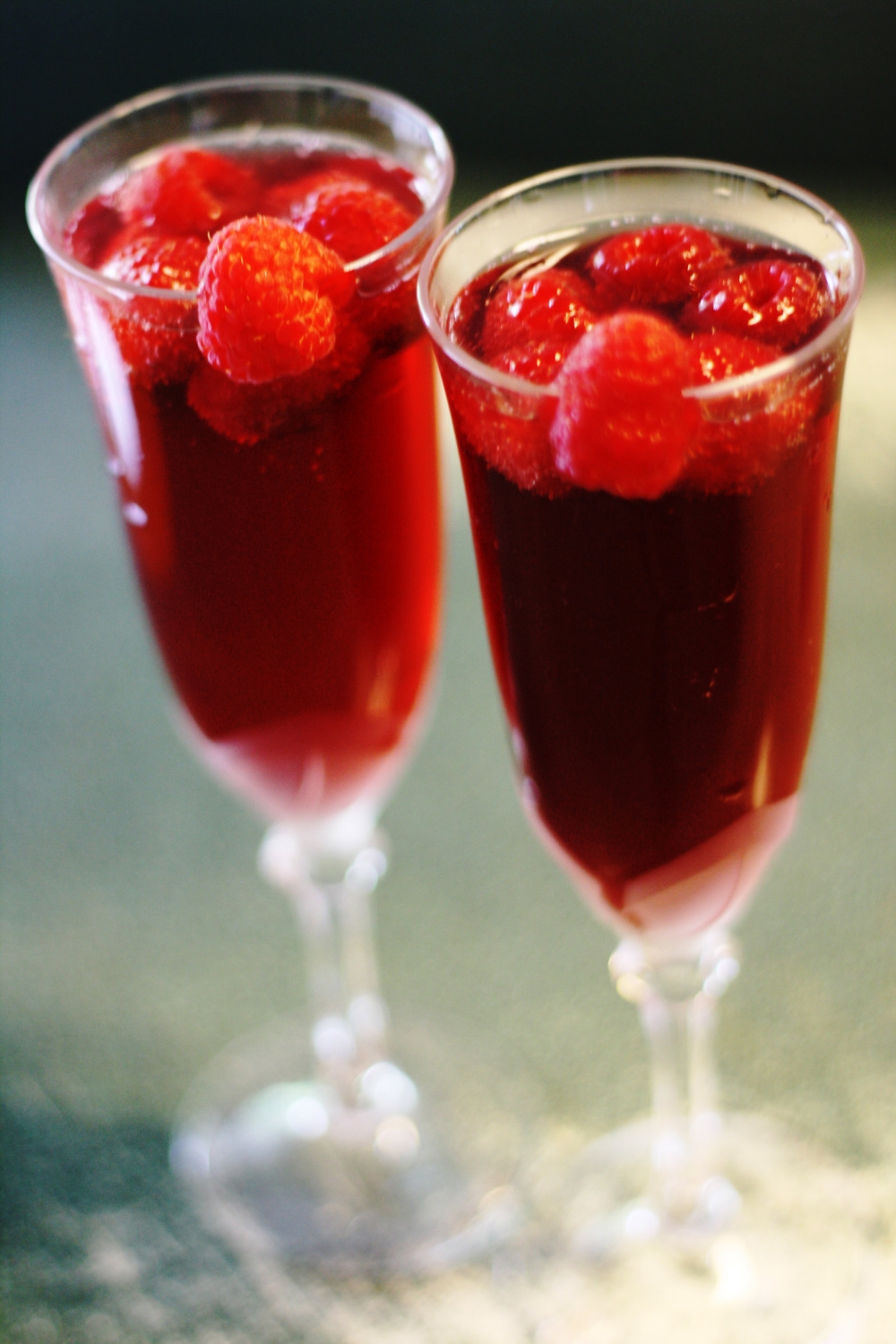
• Rosé twist: Swap for rosé champagne and add a splash of raspberry liqueur for a pretty pink French 75.
• Non-gin option: Use vodka for a cleaner profile or cognac for a richer, more vintage feel (some call it a “French 75 Royale”).
• Batch for parties: Multiply the gin-lemon-syrup mix, shake in batches, then top each glass with champagne on the spot.
This cocktail is endlessly versatile and looks stunning—perfect for toasting milestones or just elevating a Tuesday. For more inspiration, check out Food & Wine’s French 75 guide or Difford’s Guide classics.



Love this recipe for French 75! Thank You.
Dom Perignon’s Secret Weapon caught my eye. Nice recipe. Thanks.