


While the “Belgian Chocolate Teardrop” as a specific dessert form may evoke modern patisserie elegance—often a teardrop-shaped chocolate shell filled with mousse, fruits, or ganache—its roots lie in the broader history of Belgian chocolate craftsmanship.
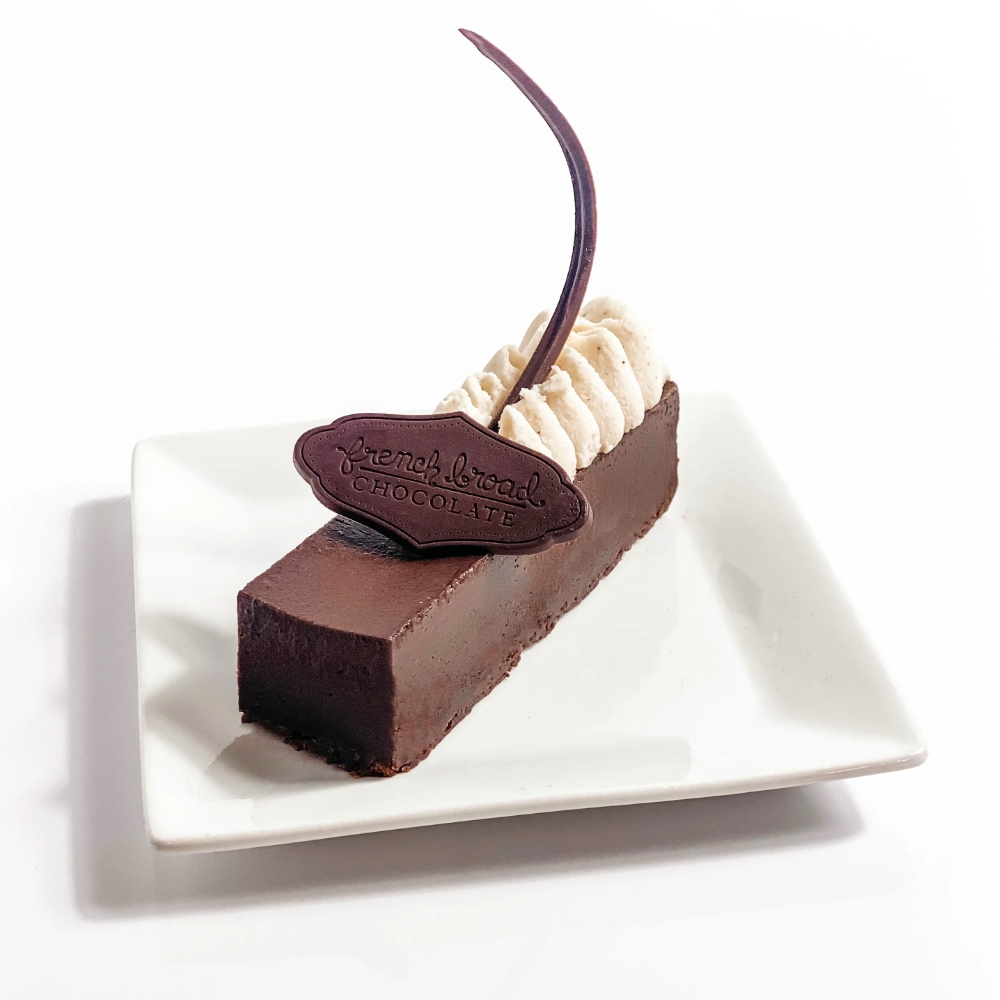
When chocolate arrived in belgium
The origins of Belgian chocolate trace to the early 17th century, when Spain controlled the region known as the Spanish Netherlands. Spanish explorers, having encountered cacao in Mesoamerica during the 16th century, brought cocoa beans to Europe. By 1635, chocolate had arrived in Belgium, initially as a luxurious hot drink favored by the aristocracy and clergy. It was consumed for its purported medicinal properties, much like in other European courts. Charles-Alexander of Lorraine, the Austrian governor in the mid-18th century, was a notable enthusiast, helping popularize it among the upper classes.
Chocolate’s transition from beverage to solid confection accelerated in the 19th century. Belgium’s independence in 1830 and King Leopold II’s brutal colonization of the Congo in the 1880s provided access to vast cocoa supplies, fueling industrial growth. This era marked Belgium’s rise as a chocolate powerhouse, with production shifting from pharmacies to dedicated chocolatiers. In 1857, Swiss-born Jean Neuhaus opened a shop in Brussels’ Galeries Royales Saint-Hubert, initially selling chocolate-covered medicines. His grandson, Jean Neuhaus II, revolutionized the industry in 1912 by inventing the praline—a hard chocolate shell filled with soft creams, nuts, or ganaches. This bite-sized innovation, packaged in the elegant ballotin box invented by his wife in 1915, became synonymous with Belgian luxury.
The 20th century brought further advancements, emphasizing quality and form. Belgian chocolate’s reputation hinges on strict standards: it must contain at least 35% cocoa solids, use 100% cocoa butter without vegetable fats, and undergo meticulous conching for smoothness. Companies like Neuhaus, Godiva (founded in 1926), and Leonidas (1913) expanded globally, while Barry Callebaut, formed in 1996 from mergers, became the world’s largest chocolate supplier.
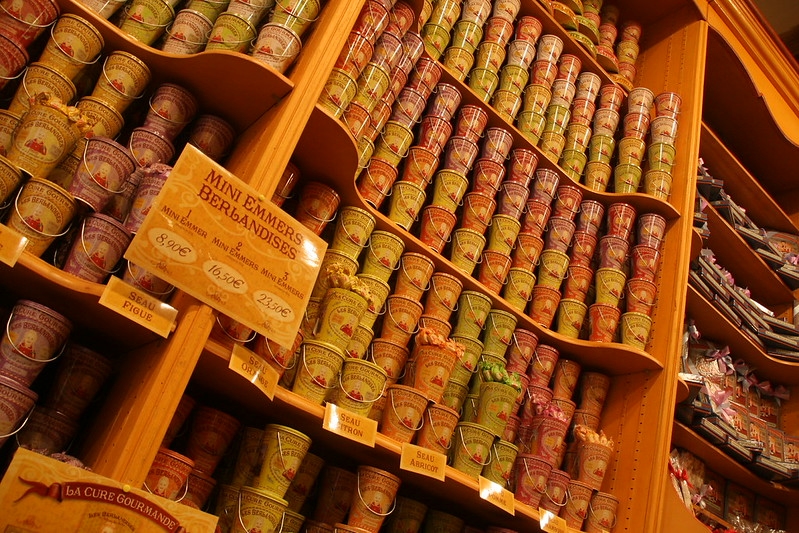
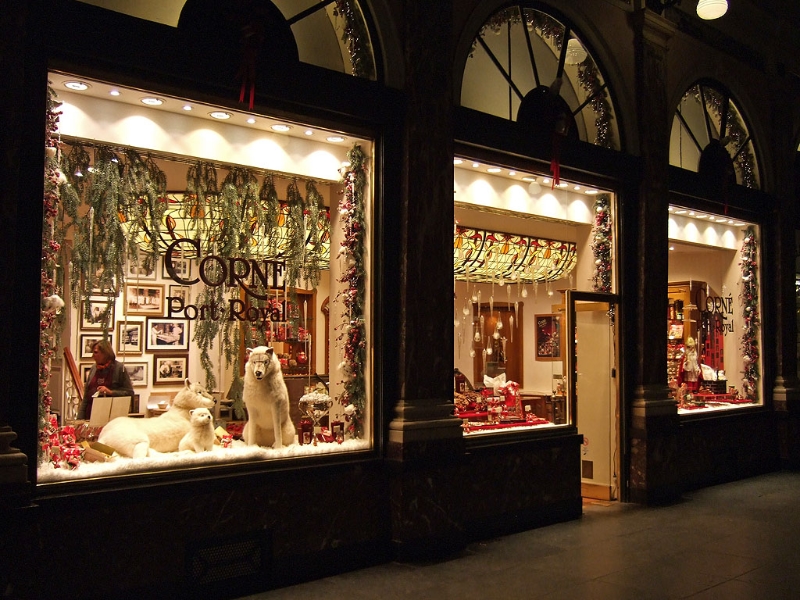
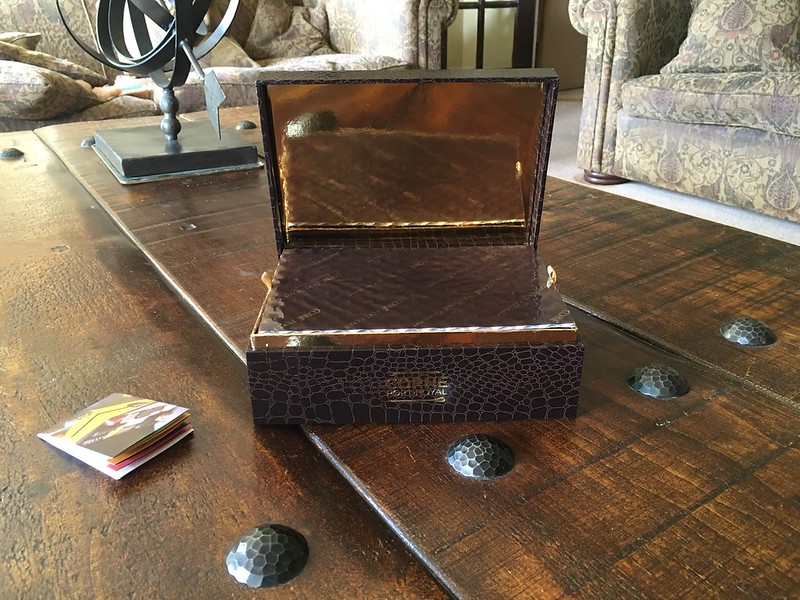
A key innovation tied to shaped chocolates like the teardrop is the callet, invented by Callebaut in 1988. These small, drop-shaped chocolate pieces (often teardrop-like for easy melting) optimized dosing, tempering, and molding for artisans. Octaaf Callebaut had pioneered liquid couverture in the 1920s, but callets made intricate shapes more accessible, influencing desserts where chocolate is piped or molded into artistic forms like teardrops. Teardrop designs, evoking elegance and fluidity, draw from French patisserie influences—Belgium’s French-speaking Wallonia region blends these traditions—seen in molded bonbons and garnishes.
However, Belgian chocolate’s history has a dark side. Colonial exploitation in the Congo involved atrocities, including hand amputations for unmet quotas, ironically echoed in Antwerp’s “chocolate hands” tradition from 1934, based on a local myth but symbolically tied to Leopold’s regime. Today, ethical sourcing initiatives by brands like Callebaut address this legacy, promoting sustainable cocoa.
The Belgian Chocolate Teardrop embodies this heritage: a sophisticated, shaped dessert highlighting pure cocoa flavors. Modern interpretations, like those by chefs in Brussels or Antwerp, often feature Belgian brands such as Callebaut or Belcolade for their superior melt and shine. It’s a testament to Belgium’s 400+ chocolatiers producing over 220,000 tons annually, with exports worldwide. For more on Belgian chocolate history, visit [Great British Chefs] or [Barry Callebaut’s timeline].
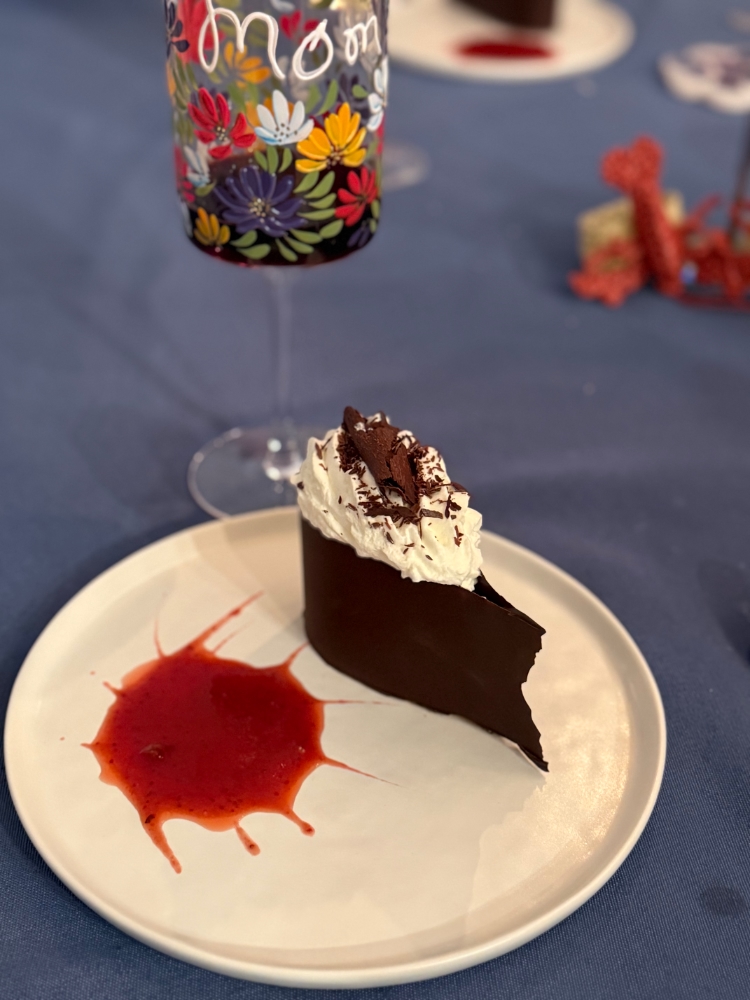
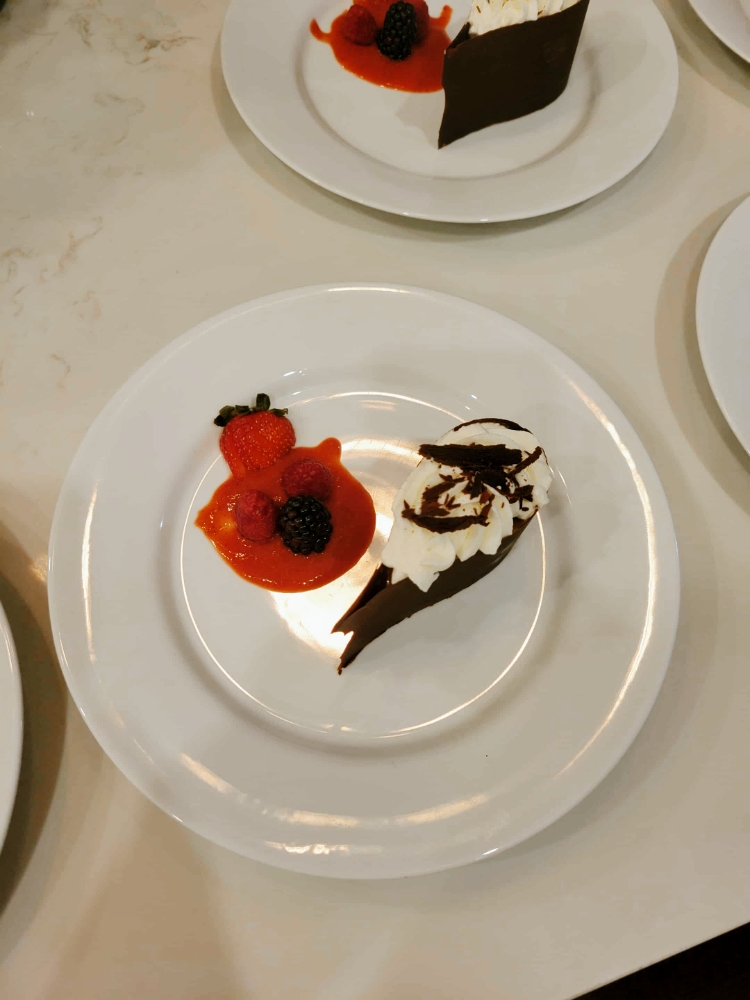
Step-by-Step French Recipe for Making the Belgian Chocolate Teardrop
Inspired by French mousse techniques and Belgian chocolate excellence, this recipe yields elegant teardrop-shaped desserts filled with cherry and chocolate mousse. It serves 6 and takes about 1 hour plus chilling. Use high-quality Belgian dark chocolate like Callebaut 70% for authenticity. Adapted from a classic patisserie method [Delicious Magazine]
ingredients
– 155g Belgian 70% cocoa dark chocolate (e.g., Callebaut)
– 200g chocolate sponge cake (store-bought or homemade)
– 4 large free-range egg yolks
– 135g caster sugar
– 160g unsalted butter
– 75g cocoa powder
– 275ml double cream
– 390g jar cherries in Kirsch (drained)
– Fresh cherries with stalks and edible silver leaf, for decoration
equipment
– Acetate strips (5cm wide, available online like [Squires Shop]
– Piping bag (optional)
– Paperclips
steps
1. Prepare the chocolate shells: Melt 80g of the Belgian chocolate in a bowl over simmering water (bain-marie). Cut acetate into 6 strips (30cm x 5cm). Cut 6 teardrop shapes (about 1.5cm thick) from the sponge cake, sized so acetate wraps around them. Brush one side of each acetate strip thickly with melted chocolate. Wrap around sponge teardrops (chocolate inside), secure with paperclips. Refrigerate to set.
2. Make the mousse: Whisk egg yolks and sugar until thick and pale. In a bain-marie, melt remaining 75g chocolate with butter and cocoa powder, stirring until smooth. Fold this into the egg mixture. In a separate bowl, lightly whip the cream, then fold into the chocolate blend to form a mousse.
3. Assemble: Spoon drained cherries into the set teardrop bases (on sponge). Pipe or spoon mousse over cherries, filling to the top. Chill for 1 hour.
4. Finish and serve: Gently peel off acetate. Decorate with fresh cherries and silver leaf. Serve chilled; keeps in fridge up to 8 hours.



could you maybe provide the steps to make mine look like yours?