

The Art of the Table
A Wine Pairing Guide for Intimate Private Dinners
Burgundy · Champagne · Rhône
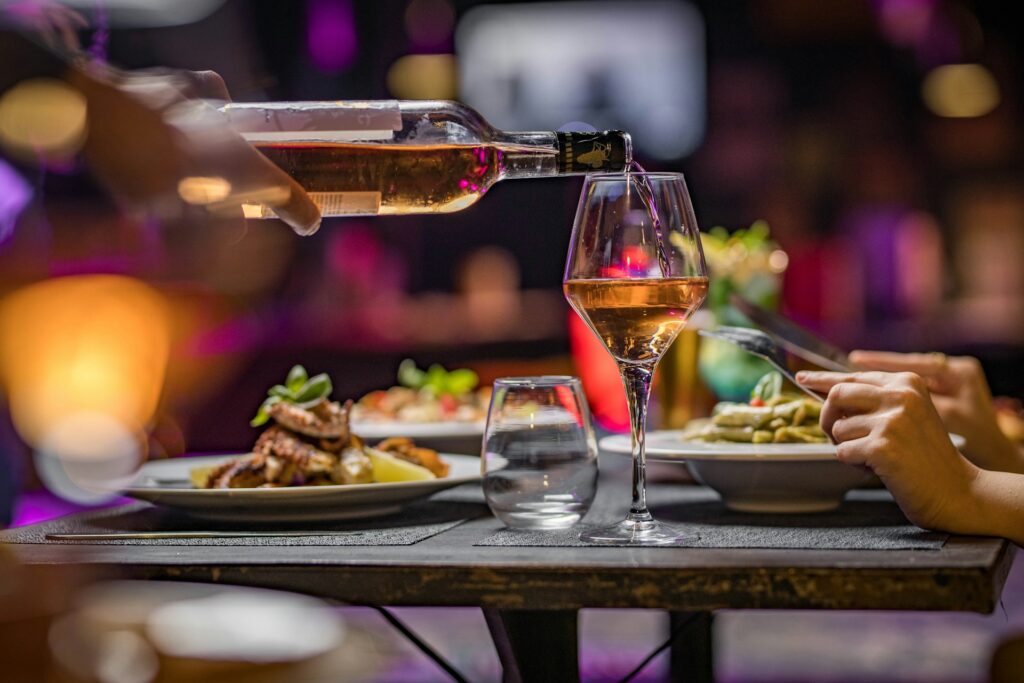
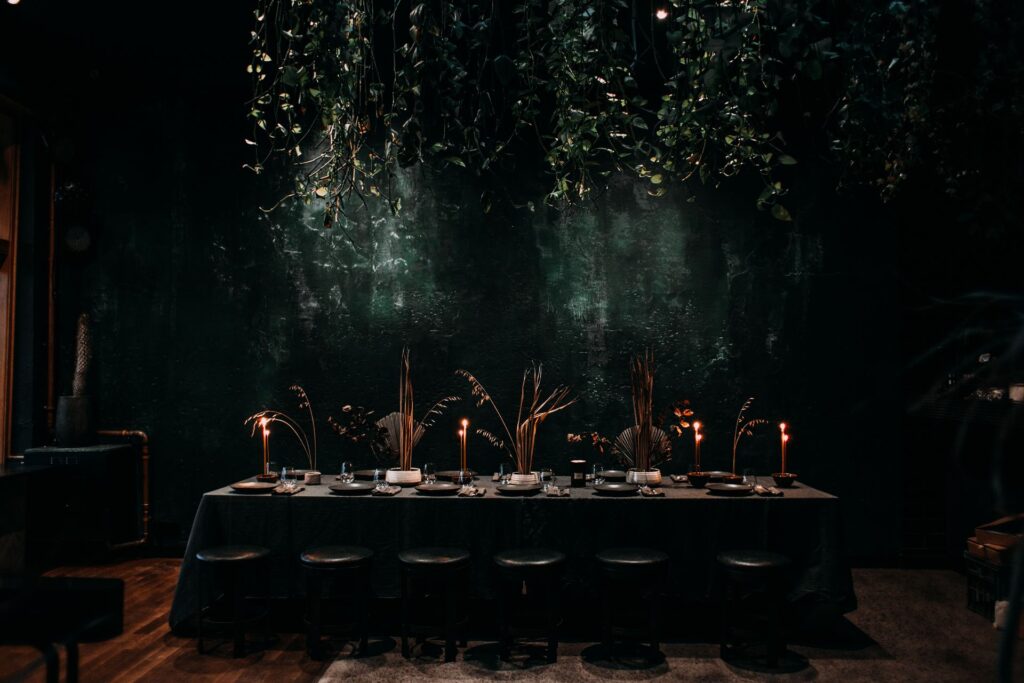
There is a particular kind of magic in private dinners — the table set for two, or ten, the candles already burning low before the first course arrives. When you are the host, you are also the curator of that magic. And nothing shapes the arc of an intimate meal quite like the wines you choose. This French wine guide is designed to help you do exactly that: pair the great appellations of Burgundy, Champagne, and the Rhône Valley to a multi-course dinner with the confidence of a trained sommelier.
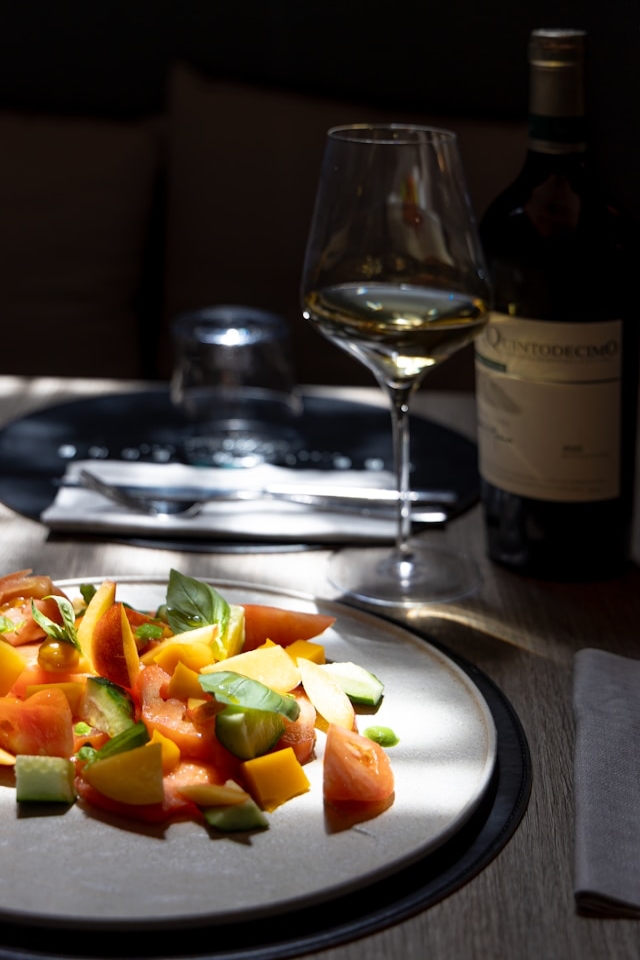
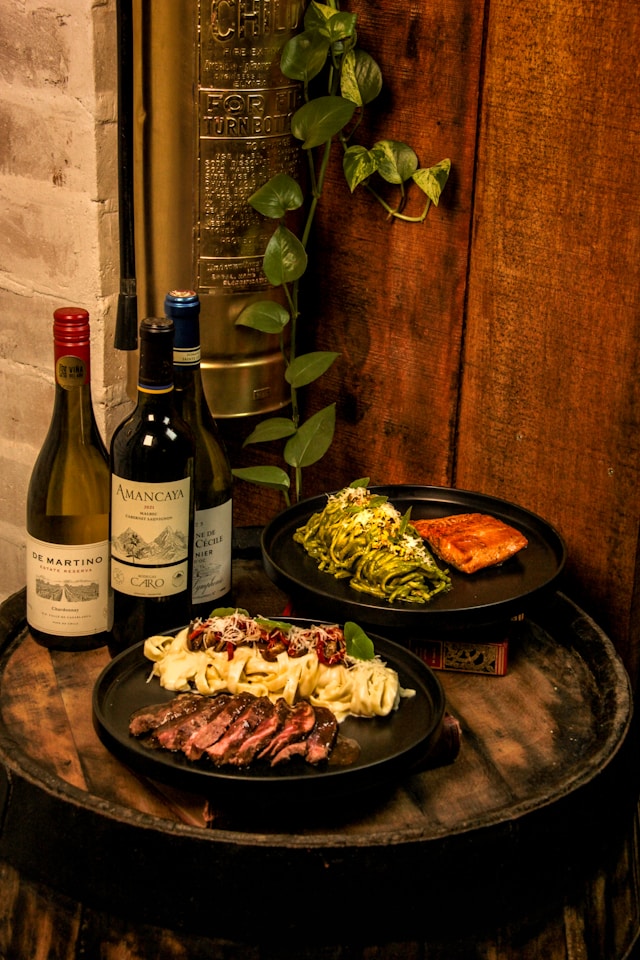
Great wine pairing private dinners and planning comes down to two fundamental strategies, both equally valid: congruent pairings, which find harmony between wine and food by mirroring shared flavors and textures, and contrasting pairings, which create excitement through deliberate tension — the crisp against the rich, the lean against the luxurious. A masterfully designed menu plays both hands.
Understanding the Two Pairing Philosophies
Congruent Pairings:
the language of harmony
Congruent pairings work by amplifying what wine and dish already share. A Meursault — Burgundy’s great white — and a dish of butter-poached lobster both carry rich, toasty, slightly nutty qualities. Placed together, they don’t compete; they compose. The fat in the lobster lengthens the wine’s texture on the palate, and the wine’s oak-kissed minerality makes the seafood taste more intensely of the sea. This is the logic of harmony: echo and amplify.
For Burgundy food pairing at the congruent level, the key is identifying the primary flavor register of a dish — earthy, nutty, fruity, savory — and matching the wine’s dominant character to it.
Contrasting Pairings:
the art of tension
Contrasting pairings are bolder moves. They place the wine in deliberate opposition to the dish, letting one element cut through, cleanse, or energize the other. The classic sommelier tips example: a brut Champagne with fried chicken. The wine’s fierce effervescence and high acidity slice through the fat and salt of the dish, resetting the palate and making every subsequent bite taste as vivid as the first. The contrast is the point.
Similarly, a lean, high-acid Chablis against the creaminess of a gratin dauphinois works on the same principle: the wine’s austerity lifts the dish from heaviness into pleasure.
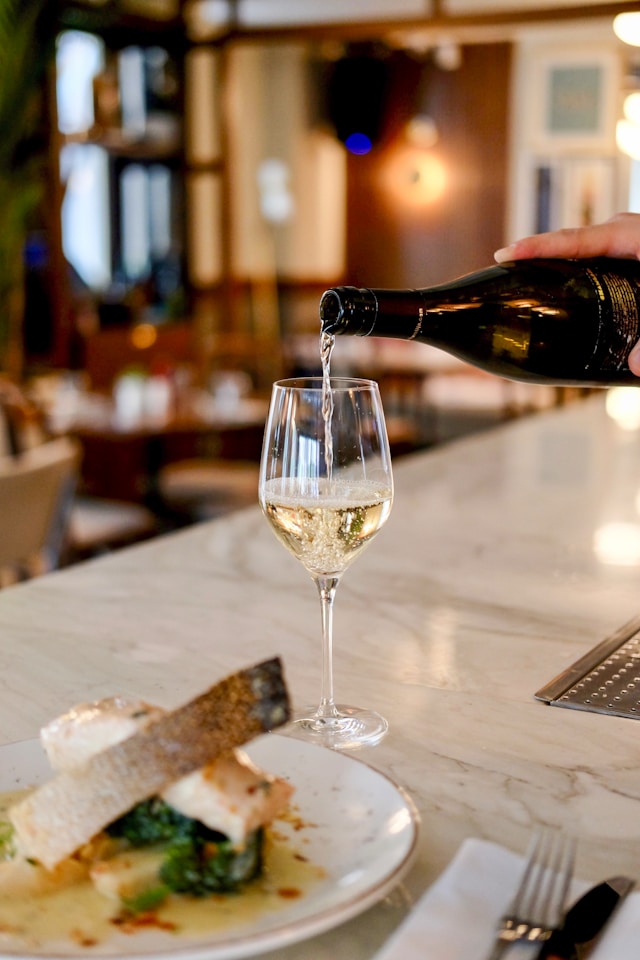
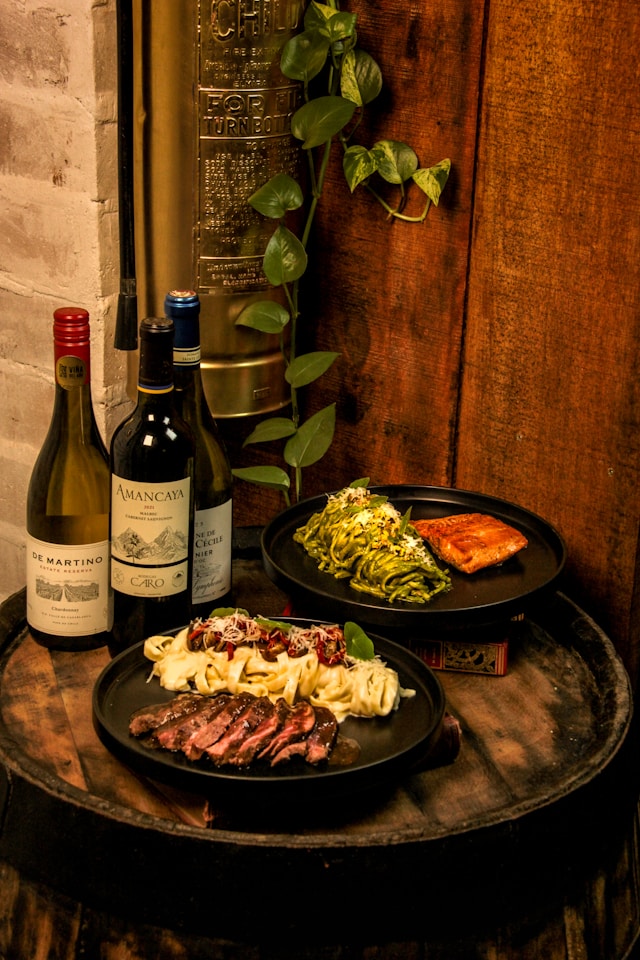
Champagne: The Aperitif and Beyond
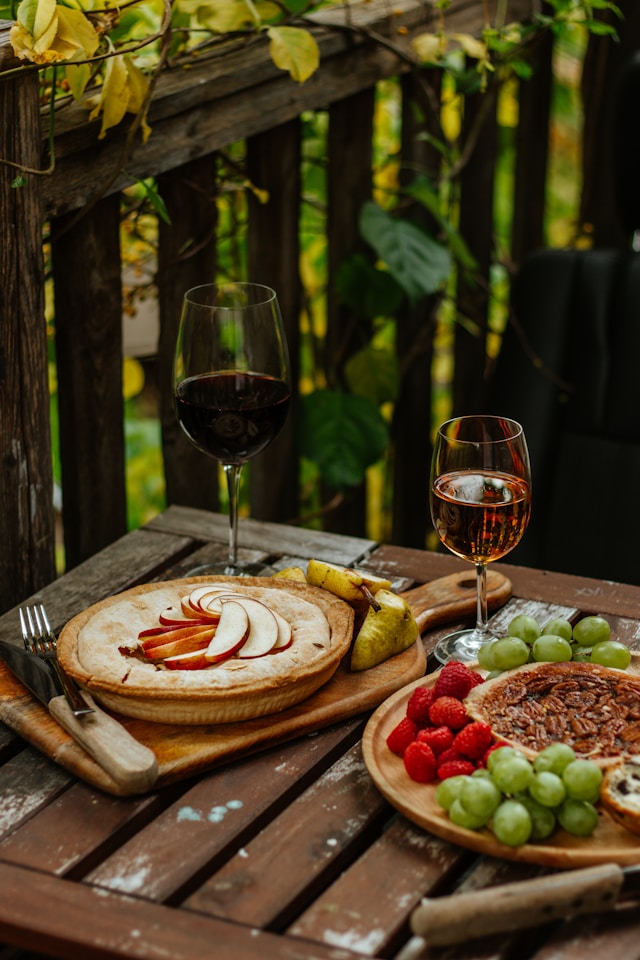
Champagne is not only for toasts. A properly deployed bottle of grower Champagne — or a premier cru from a great house — can anchor the first two courses of any private dinners and hold the room’s attention effortlessly. Its acidity, mousse, and minerality make it one of the most food-versatile wines on earth.
Blanc de Blancs Champagne × Oysters & mignonette
The chalky minerality of a Côte des Blancs Champagne — all Chardonnay, all tension — mirrors the saline, oceanic quality of a freshly shucked oyster. The fine mousse acts as a textural contrast to the oyster’s silkiness, while the lemon-curd finish lifts the mignonette’s sharpness into something luminous. Begin your dinner here and the table will never look back.
Blanc de Noirs Champagne × Smoked salmon blinis with crème fraîche
Made entirely from Pinot Noir, a Blanc de Noirs carries a red-fruit depth and body that a Blanc de Blancs cannot. Against the smokiness of the salmon and the tang of crème fraîche, its roundness is a welcome contrast — fruity and gentle where the food is sharp and briny. The effervescence still does its cleansing work on the fat, but the wine brings warmth to the course.
Rosé Champagne × Duck liver mousse on brioche
Rosé Champagne, with its wild strawberry, rose hip, and blood-orange character, finds natural company in a silky duck liver mousse. Both share a certain opulence, and the wine’s red-fruit sweetness echoes the subtle sweetness of the liver. The bubbles prevent the richness from becoming too solemn. An elegant choice for a first-course passed bite.
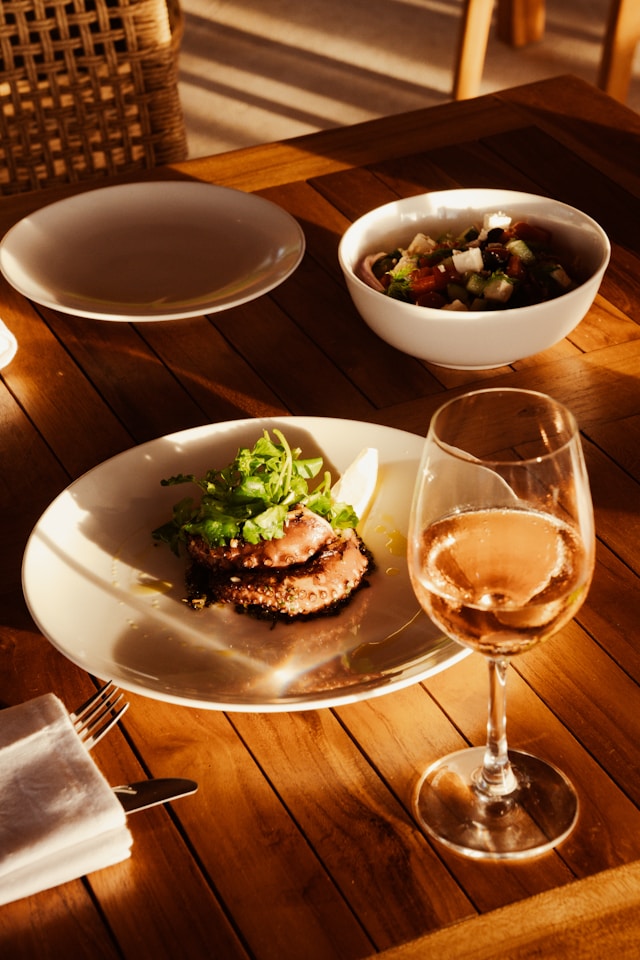
Burgundy: The Heart of the Table
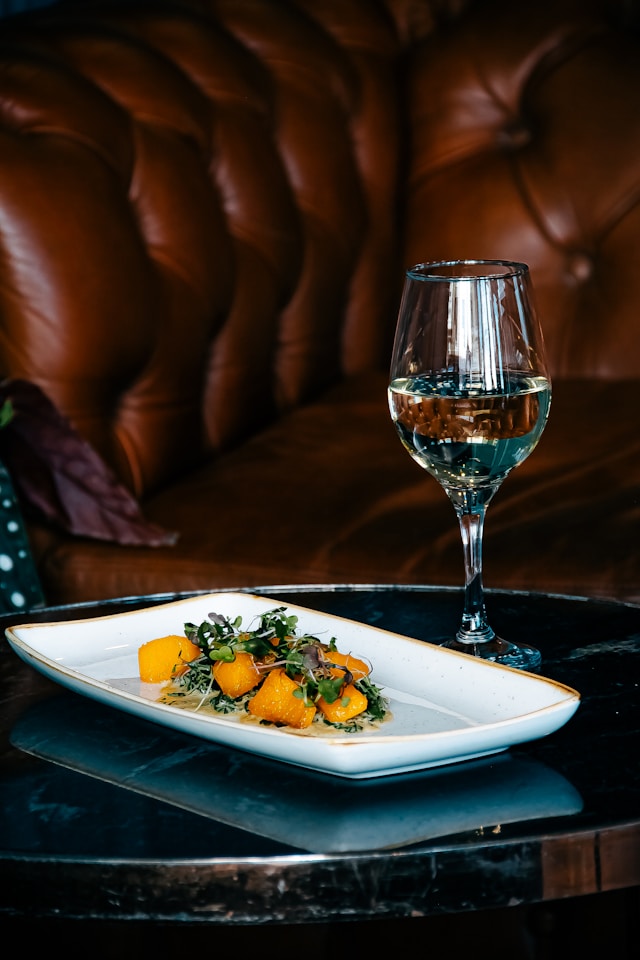
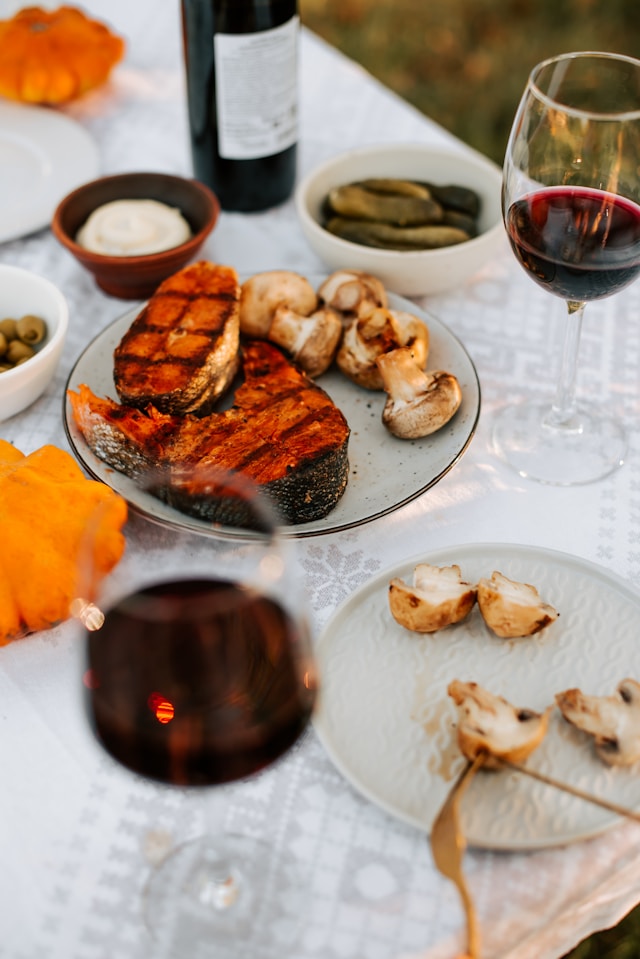
Burgundy is where wine pairing reaches its highest expression of nuance. The region’s two noble varieties — Chardonnay in white, Pinot Noir in red — are precise instruments. They reward careful placement and repay a host’s attention with transformative dining moments.
Meursault or Puligny-Montrachet × Pan-roasted halibut with hazelnut beurre blanc
White Burgundy at the premier or grand cru level is the sommelier’s first instinct for fine fish. Meursault’s signature nuttiness and buttery weight echo the hazelnut and butter in the sauce, while its underlying limestone minerality keeps the pairing from ever feeling heavy. Puligny-Montrachet, leaner and more floral, works when the sauce is lighter.
Chablis Premier Cru × Roasted bone marrow with parsley salad
Chablis carries some of the most aggressive acidity in Burgundy, along with a distinctive flinty, almost iodine-like mineral character. Against the extraordinary richness of bone marrow, this acidity acts as a palate-scouring contrast — cutting the fat, brightening the herbs, and making the marrow taste cleaner and more refined than it has any right to.
Gevrey-Chambertin (Pinot Noir) × Roasted rack of lamb with thyme jus
The great reds of the Côte de Nuits — Gevrey, Chambolle, Vosne-Romanée — carry an unmistakable earthiness alongside their cherry and violet fruit. A rack of lamb with a thyme-laden jus is one of the purest congruent pairings in the French tradition: the meat’s mineral iron notes sing in harmony with the wine’s terroir character, and the herb bridge reinforces both.
Volnay or Pommard (Pinot Noir) × Wild mushroom risotto with aged Comté
The Côte de Beaune Pinots — silkier, more strawberry-driven than their northern counterparts — find a natural home alongside forest flavors. Mushrooms and Pinot Noir share a deep earthiness; the Comté’s nuttiness ties to the wine’s oak. A dish that makes your guests at private dinners feel as though the wine and the plate were designed for each other by the same hand.
The Rhône Valley: Power and Perfume
The Rhône offers a host two very different temperaments. The northern Rhône — Syrah’s spiritual home — produces structured, peppery, meaty reds and the world’s finest Viognier. The southern Rhône, led by Grenache-dominated blends like Châteauneuf-du-Pape, is warmer, more generous, and more forgiving at the table. Both have their place in a multi-course private dinners.
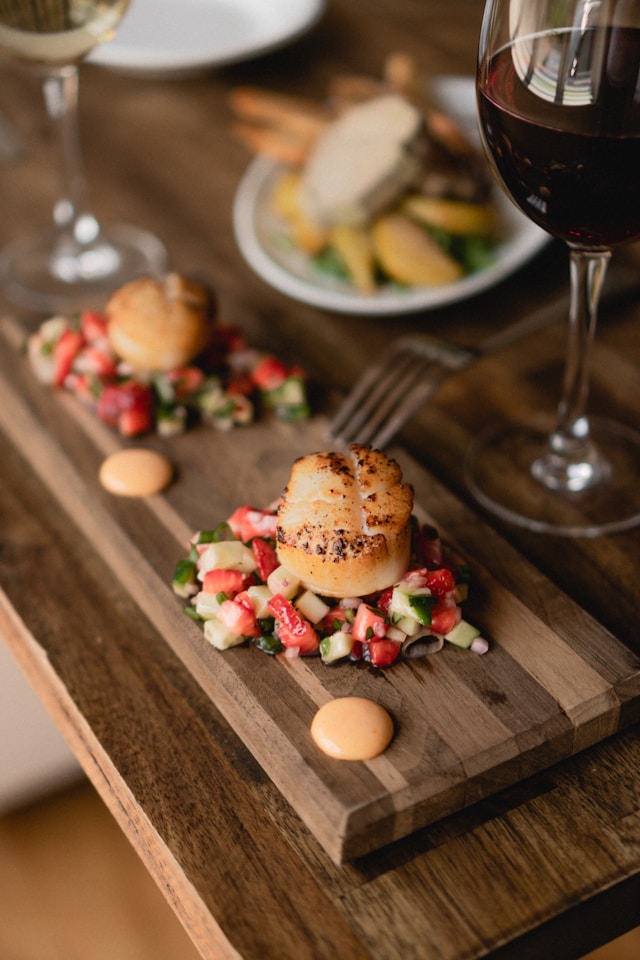
Condrieu (Viognier) × Seared scallops with saffron cream
Condrieu is among the most exotic whites on earth: explosive apricot, peach blossom, and honey aromas on a full-bodied, low-acid frame. It should, by logic, be too much for delicate scallops — but the saffron bridges them. Saffron carries its own heady floral and honeyed notes that echo the Viognier’s perfume, while the scallop’s sweetness ties to the wine’s fruit. A showy, memorable pairing.
Crozes-Hermitage Rouge (Syrah) × Slow-braised short rib with black olive tapenade
Northern Rhône Syrah — peppery, smoky, full of dark olive and cured meat character — is made for exactly this kind of deeply savory braise. The tapenade picks up the wine’s olive thread, the braised collagen softens the tannins, and the pepper in the wine amplifies the spice in the braise. One of the most purely satisfying red-wine pairings in the French tradition.
Châteauneuf-du-Pape Blanc × Roasted chicken with herbes de Provence & garlic
Southern Rhône whites — blends of Grenache Blanc, Roussanne, and Clairette — are broad, rich, and herbal. A simple but perfect roast chicken seasoned generously with Provençal herbs is one of the most satisfying congruent pairings a host can deploy: the wine’s garrigue character (wild thyme, lavender, rosemary) mirrors the seasoning, and both share a sun-warmed, generous quality that makes private dinners feel inevitable.
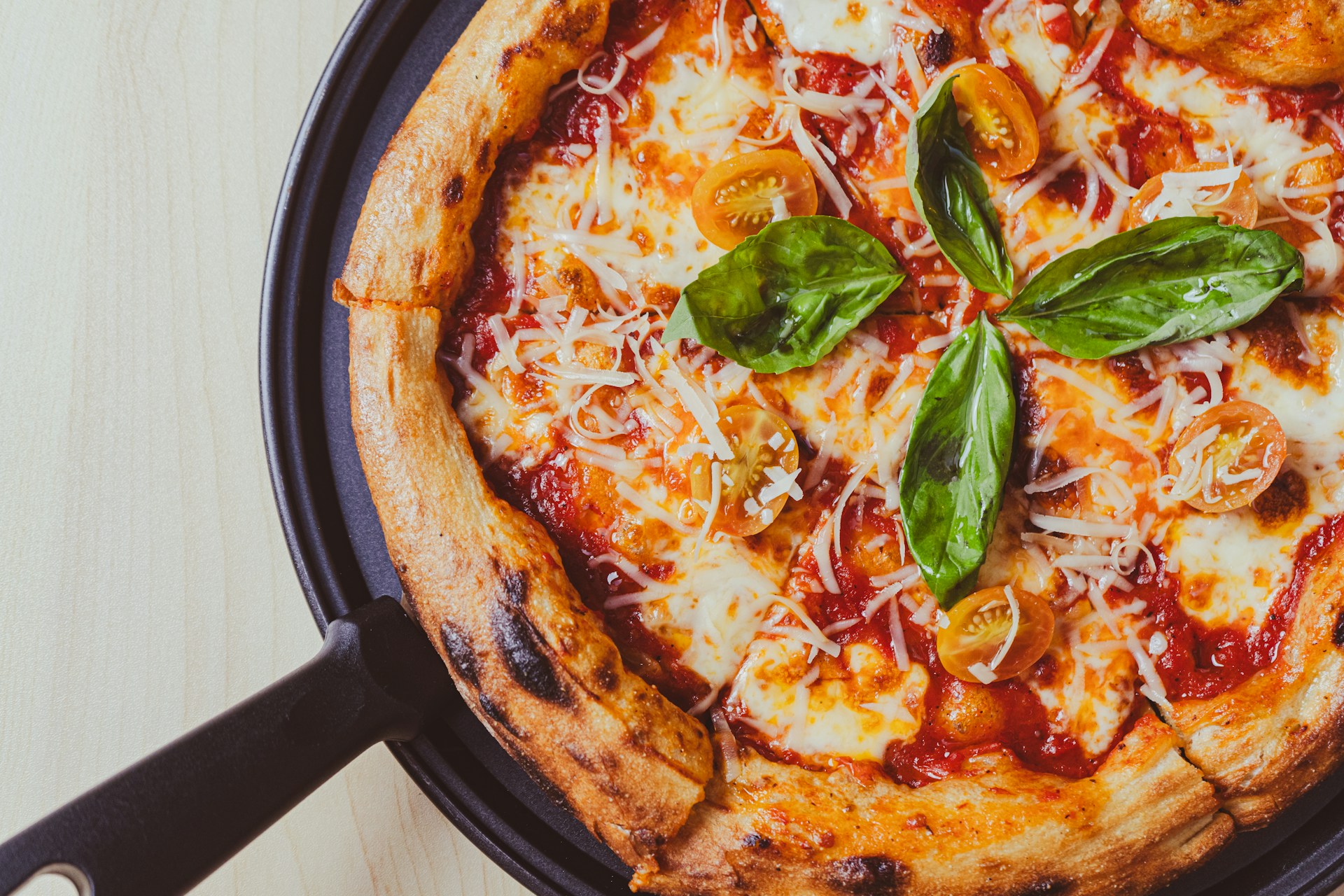
Bonus Pairing: Pizza Night, Elevated
Not all intimate private dinners are a formal affair. Sometimes the most convivial table is the one where the guests are sitting on the floor and the pizza has just arrived. Here is how to bring French wine intelligence to the casual end of the spectrum — because great wine should follow you everywhere.
Crémant de Bourgogne (Sparkling) × Cheese pizza (Margherita or four-cheese)
Crémant de Bourgogne — Burgundy’s affordable sparkling cousin to Champagne — brings crisp acidity and fine bubbles to cut through the stretch of mozzarella and the richness of a four-cheese blend. The acidity refreshes; the mousse lifts. It transforms a humble cheese pizza into something rather festive.
Crozes-Hermitage or Saint-Joseph (Syrah) × Meat lovers pizza
The smoky, peppery, cured-meat character of northern Rhône Syrah was practically designed to sit across from a pizza loaded with sausage, pepperoni, and bacon. The wine’s dark fruit and savory depth match the layered umami of the toppings, and its firm structure holds up against all that protein without flinching.
Côtes du Rhône Blanc (Grenache Blanc / Roussanne) × Vegetarian pizza with roasted peppers & artichokes
A lighter southern Rhône white — bright, herbal, with a hint of stone fruit — finds its match in the sweet roasted peppers, briny artichoke hearts, and fresh herbs of a well-made vegetarian pie. The wine’s Provençal personality ties the vegetable flavors together, and its gentle body won’t overpower.
Pinot Noir, Bourgogne AOC × Pepperoni pizza
A village-level Burgundy red — supple, cherry-bright, with just enough earthy depth — plays a delightful contrasting role against pepperoni’s spice and fat. The wine’s lightness cuts the grease, its fruit cools the spice, and the combination is a reminder that elegant wines aren’t only for elegant occasions.
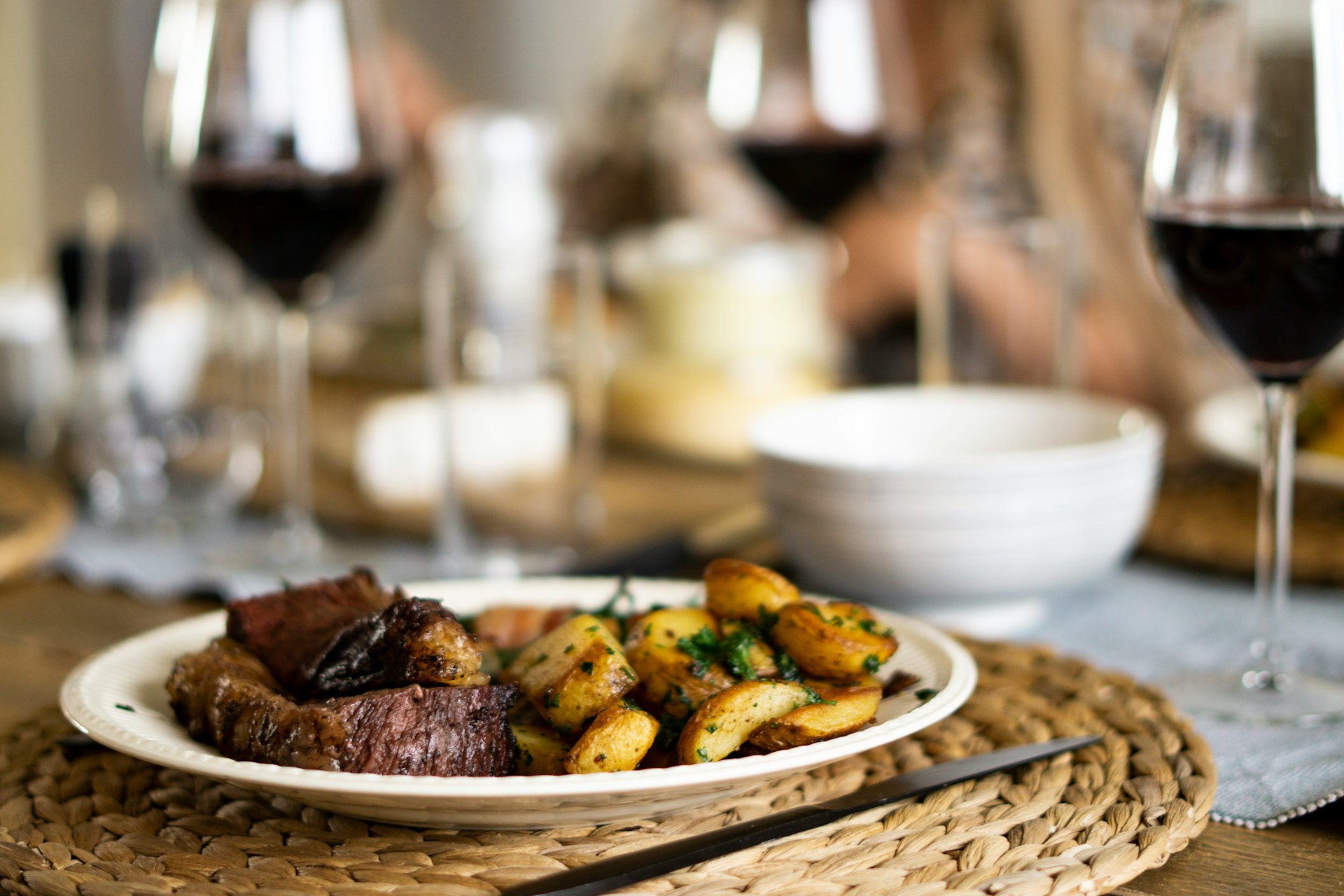
Pour generously, eat slowly, and remember that the best pairing of all is a great bottle shared with people you love.
— À votre santé —
A Final Note from the Sommelier's Table
The most important rule of wine pairing for private dinners is also the simplest: trust your instincts, then verify them with knowledge. The pairings in this French wine guide are not formulas — they are starting points. Learn the logic of congruence and contrast, learn the personalities of Burgundy, Champagne, and the Rhône, and you will find yourself intuiting pairings that no guide has ever written.
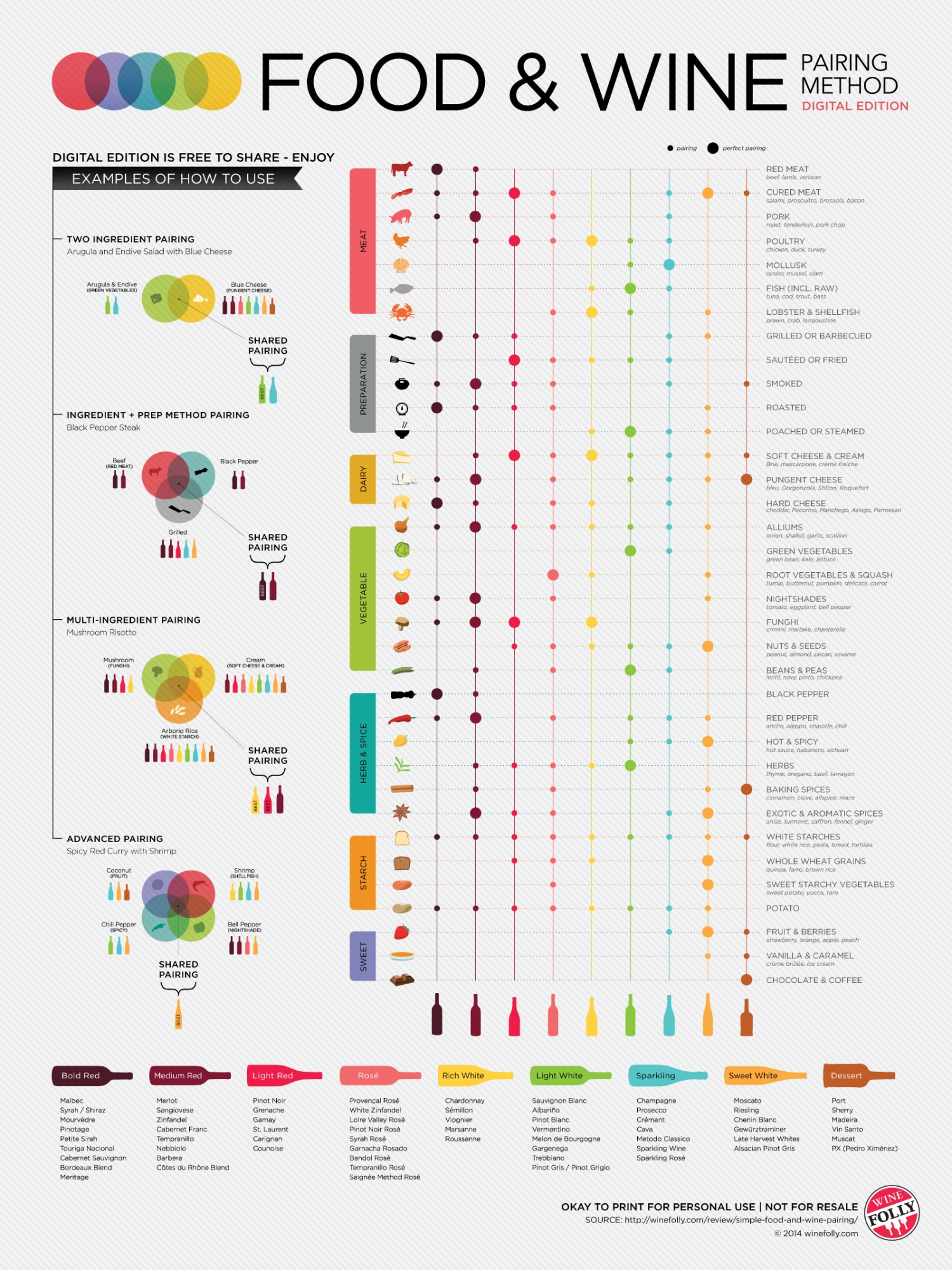



This is so very lovely and I especially adore that nicely formatted pairing chart.
I hope this post was interesting and helpful to everyone who read it…I found it truly interesting and learned a few things…Thank you all for sharing a few minutes with us and leave any comments, anytime!
Best, Debra
This is fantabulous! I was really looking for this pairing guide and this one looks really neat. Hard to find.