


The Basque Country, a vibrant region straddling northern Spain and southwestern France, is a cultural mosaic where ancient traditions meet modern creativity. Its arts and Basque architecture offer a captivating journey through history, from prehistoric cave paintings to avant-garde museums. As a local with a deep love for this land, I’ll guide you through the region’s artistic treasures and architectural marvels, revealing hidden galleries, iconic structures, and the unique aesthetic that defines the Basque identity. This Basque Architecture Region Insiders View uncovers the soul of Euskadi’s creativity, blending rugged landscapes with human ingenuity.
The Artistic Heritage of the Basque Country
The Basque Country’s artistic legacy spans millennia, rooted in its mysterious origins as one of Europe’s oldest cultures. In Spain’s Gipuzkoa province, the Altxerri Cave houses prehistoric bison paintings dating back 12,000 years, a testament to early Basque artistry. These UNESCO-listed caves, less crowded than Altamira, offer guided tours for a glimpse into humanity’s creative dawn. Similarly, the Ekain Cave near Zestoa boasts vivid horse and deer sketches, accessible via a replica museum, Ekainberri, which recreates the cave’s atmosphere.
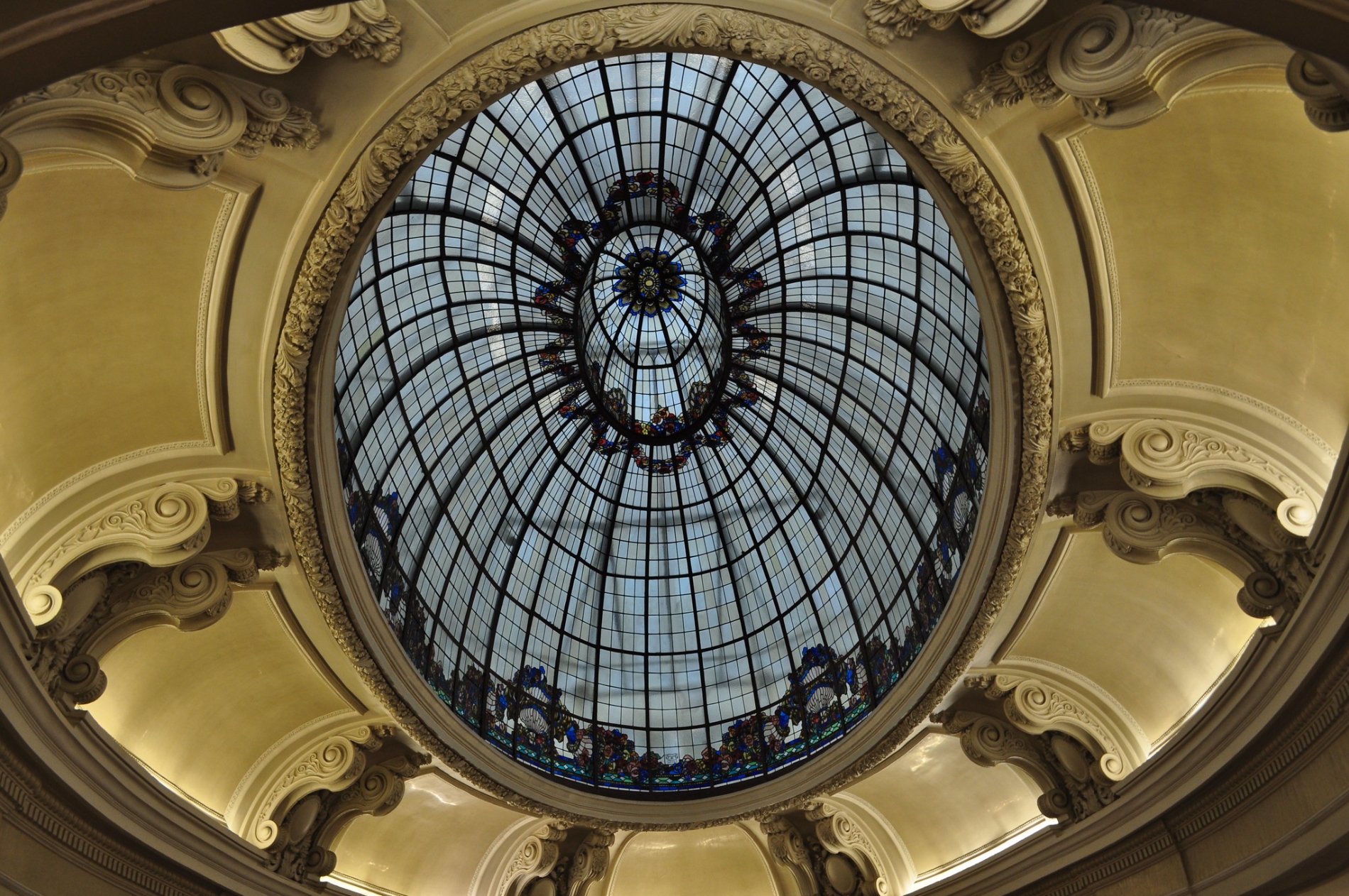
Moving to the French Basque Country, Bayonne’s Musée Basque et de l’Histoire de Bayonne is a treasure trove of folk art, showcasing traditional Basque textiles, wood carvings, and ceremonial masks used in pastoral plays. The museum’s 17th-century building, with its half-timbered facade, is itself a piece of Basque architecture, blending French and Basque Architecture styles. In Biarritz, the Musée Asiatica surprises with its collection of Asian art, a nod to the region’s historical trade connections, housed in a 19th-century villa with Art Nouveau flourishes.
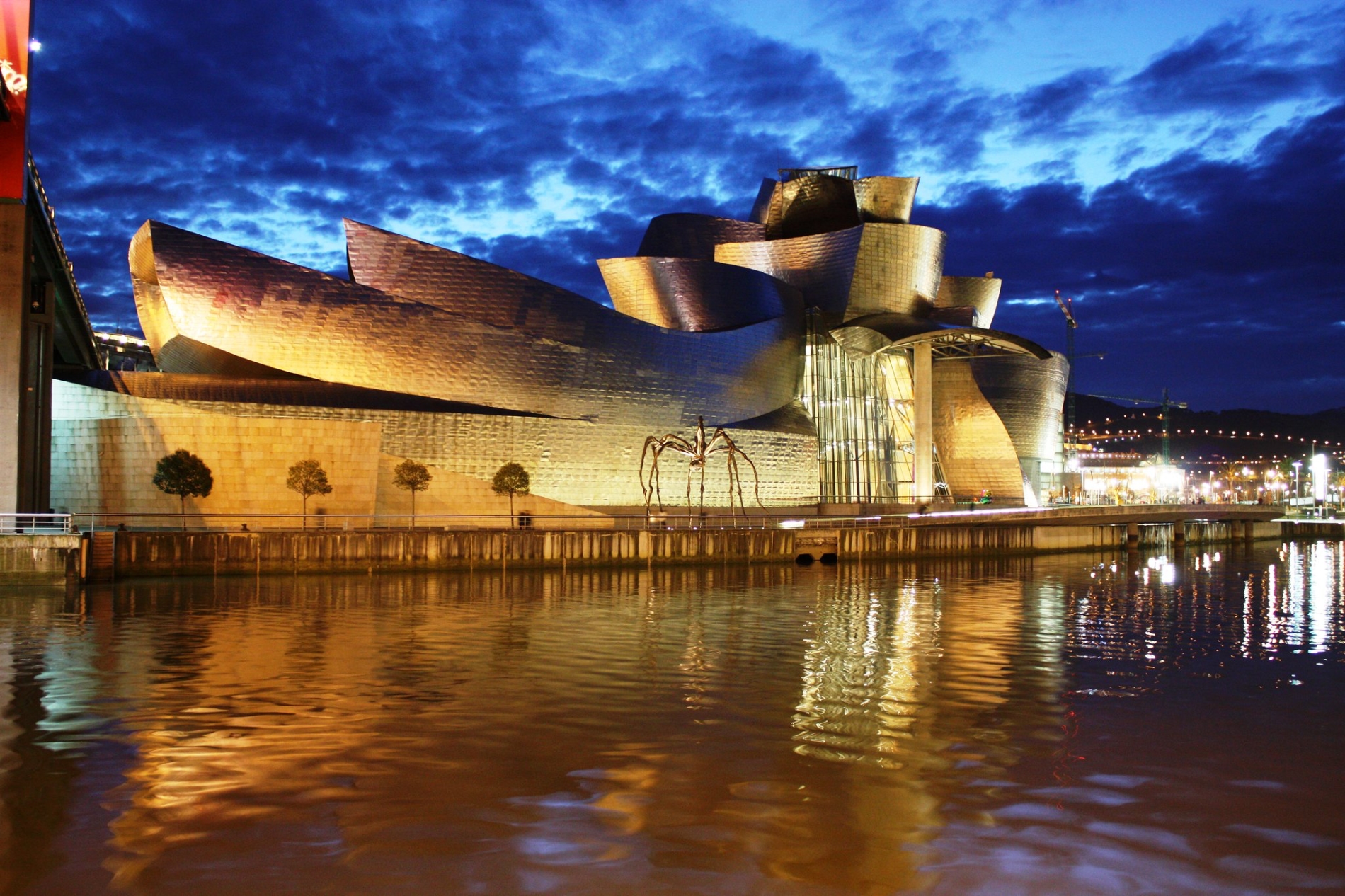
Contemporary art thrives in Bilbao, where the Guggenheim Museum, designed by Frank Gehry, redefined the city’s global image. Its titanium curves, resembling fish scales, reflect the Nervión River and Basque maritime heritage. Inside, rotating exhibits feature modern masters like Jeff Koons alongside Basque artists like Eduardo Chillida, whose monumental sculptures evoke the region’s rugged landscapes. Less known is San Sebastián’s Tabakalera, a former tobacco factory turned cultural hub. Its stark industrial design hosts cutting-edge exhibitions, film screenings, and artist residencies, making it a hotspot for local creatives.
For a hidden gem, visit Oñati’s Arantzazu Sanctuary, a 1950s architectural and artistic collaboration. Basque artists like Jorge Oteiza and Lucio Muñoz adorned its crypt and facade with abstract sculptures and murals, blending spirituality with modernist flair. The sanctuary’s remote mountain setting in Gipuzkoa adds to its mystique, drawing art lovers off the beaten path.
Basque Architecture: A Blend of Tradition and Innovation
Basque architecture is a striking fusion of practicality, tradition, and bold innovation, shaped by the region’s geography and independent spirit. In rural areas, the baserri (Basque farmhouse) defines the landscape. These sturdy, half-timbered structures, often whitewashed with red or green shutters, date back centuries. Built with sloped roofs to shed heavy rain, baserris like those in Gipuzkoa’s Urola Valley are both functional and picturesque, embodying Basque self-sufficiency. Many are still family homes, though some, like the Igartubeiti Museum in Ezkio, offer tours showcasing 16th-century construction techniques.
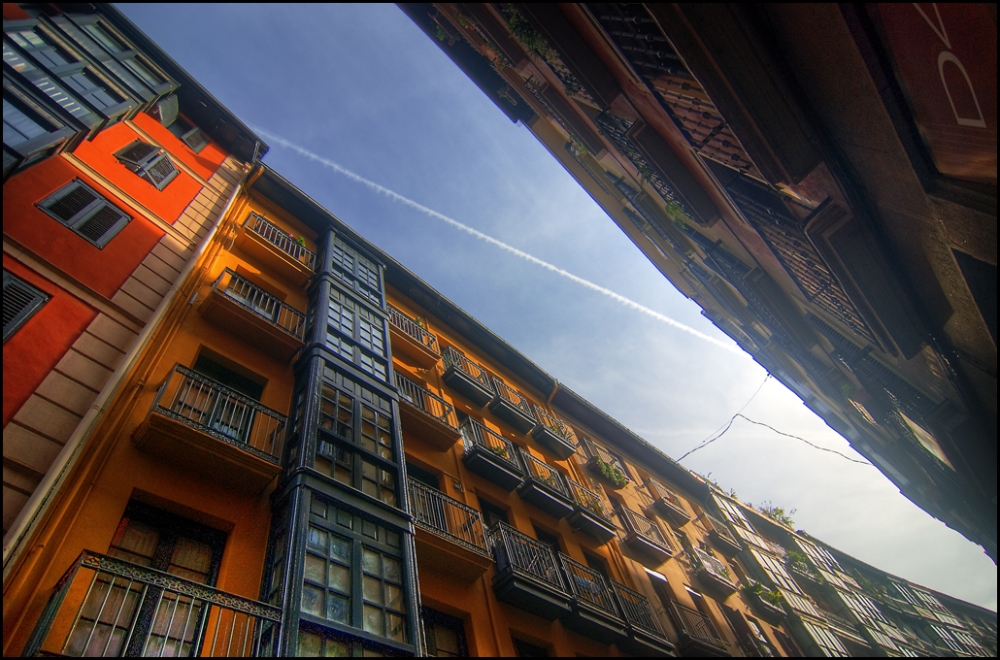
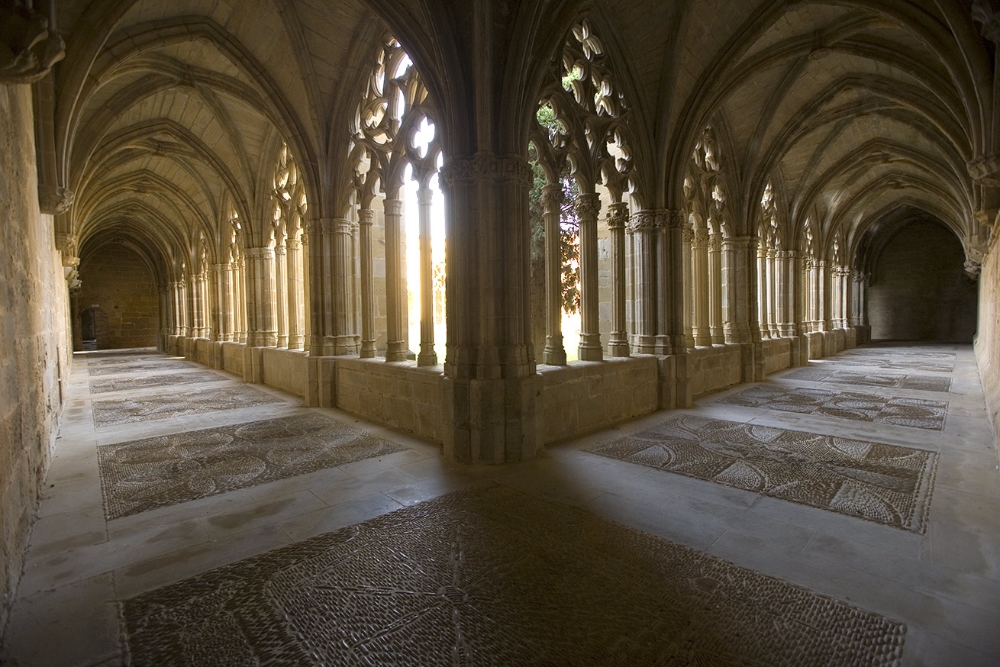
In the French Basque Country, Bayonne’s old town showcases Basque architecture with its colorful, half-timbered houses along the Nive River. These narrow, multi-story buildings, painted in vibrant reds and greens, reflect a blend of Basque and Gascon influences. The Sainte-Marie Cathedral, a Gothic masterpiece with twin spires, dominates the skyline, its 13th-century cloisters offering a serene contrast to the bustling streets. Nearby, Ciboure’s 16th-century Église St.-Vincent, with its octagonal tower, exemplifies the region’s understated elegance, designed to withstand coastal winds.
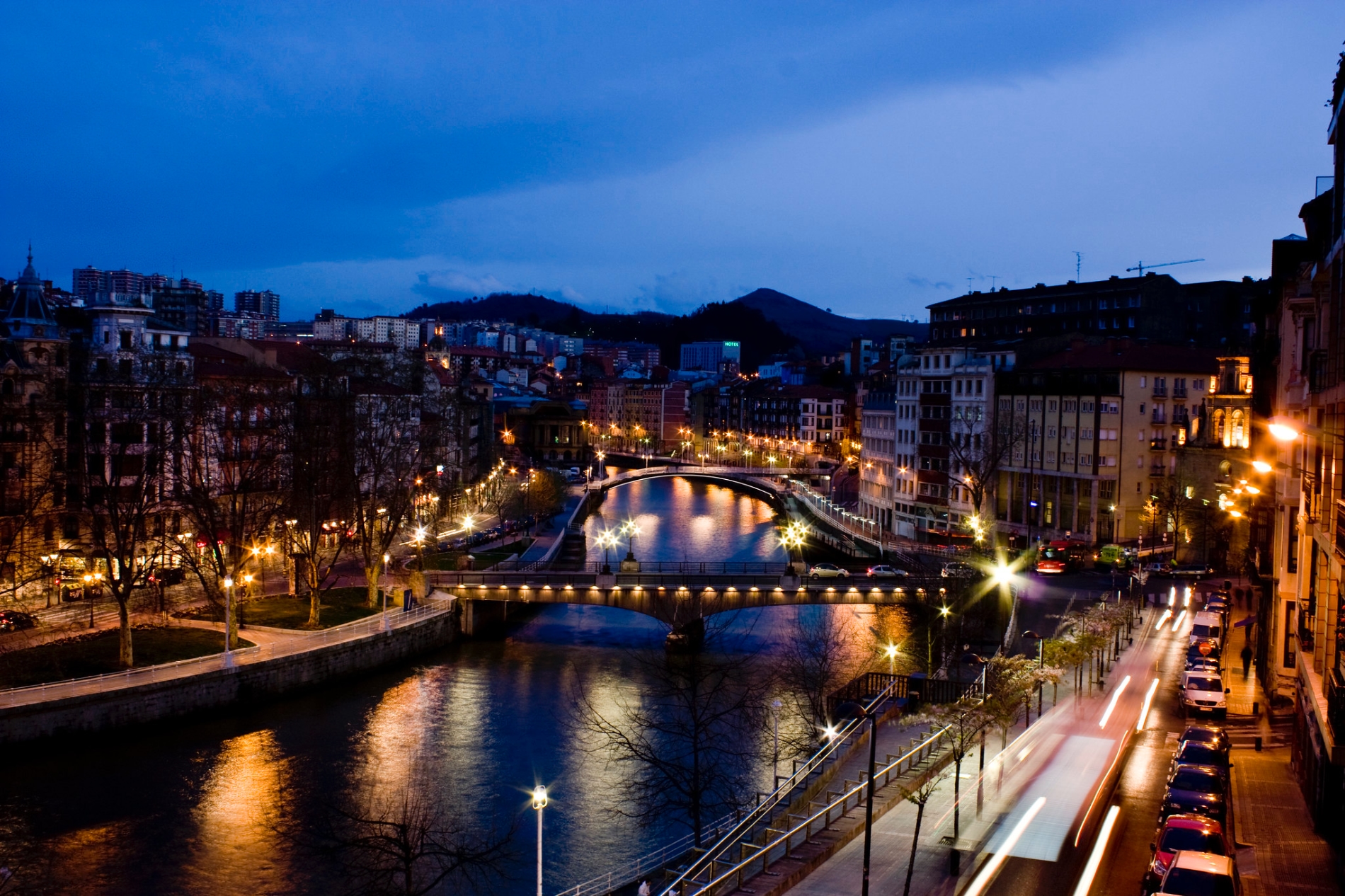
Urban Basque architecture shines in Bilbao, where the Vizcaya Bridge, a UNESCO World Heritage Site, blends industrial ingenuity with aesthetic grace. Built in 1893, this transporter bridge carries gondolas across the Nervión River, its iron latticework a nod to Eiffel’s engineering. For a modern contrast, the Zubizuri Bridge, designed by Santiago Calatrava, arches over the river with sleek, white curves, a futuristic counterpart to the city’s historic core. Its glass-tiled deck, though slippery in rain, is a photographer’s delight at dusk.
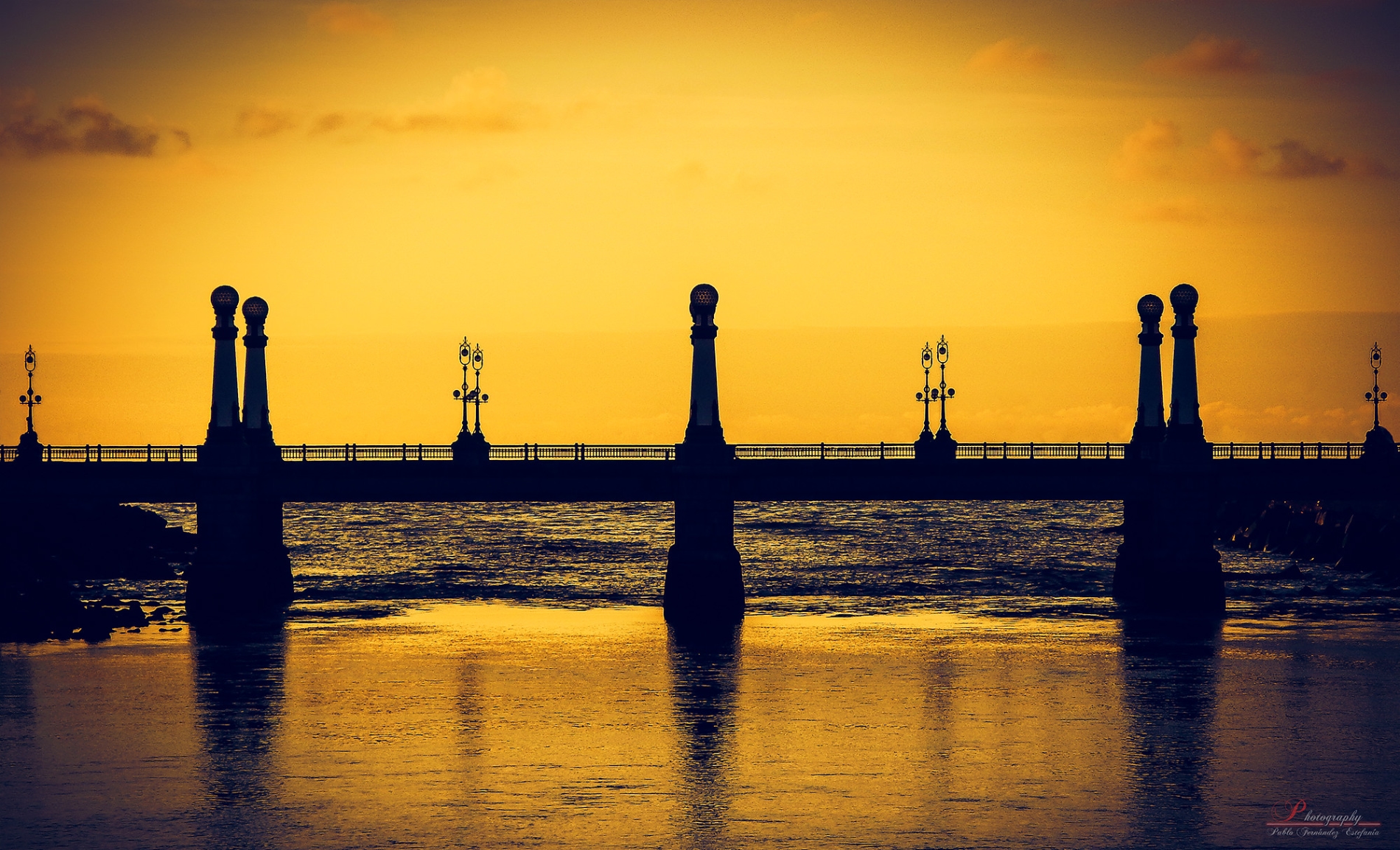
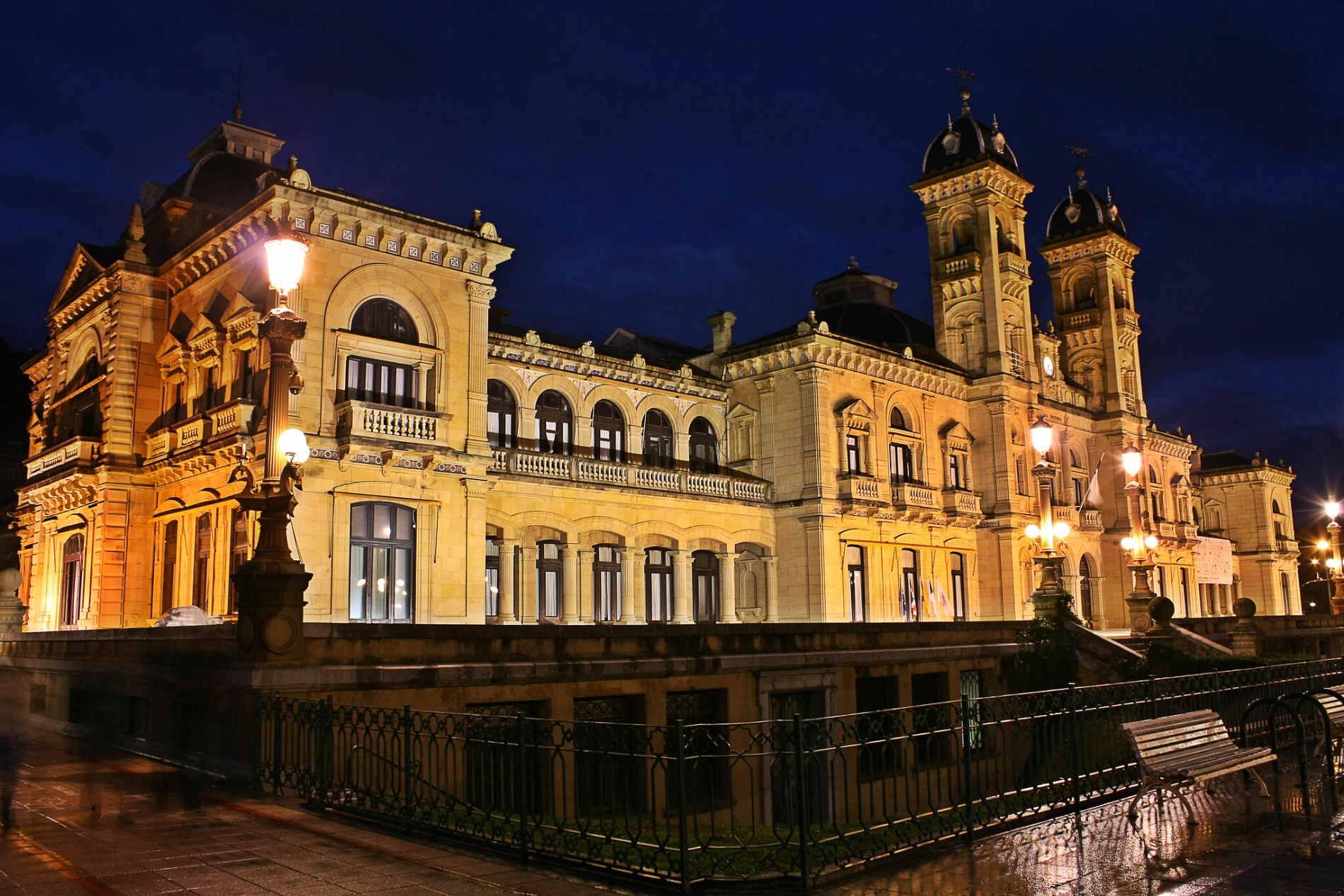
San Sebastián’s Basque architecture balances elegance and functionality. The Palacio Miramar, a 19th-century English-style villa, overlooks La Concha Bay with its manicured gardens and ornate interiors, once a royal retreat. The Kursaal Congress Centre, designed by Rafael Moneo, contrasts with its glowing, cube-like glass structures, symbolizing the city’s modern ambition. Its minimalist design sparked debate but has become a beloved landmark for cultural events.
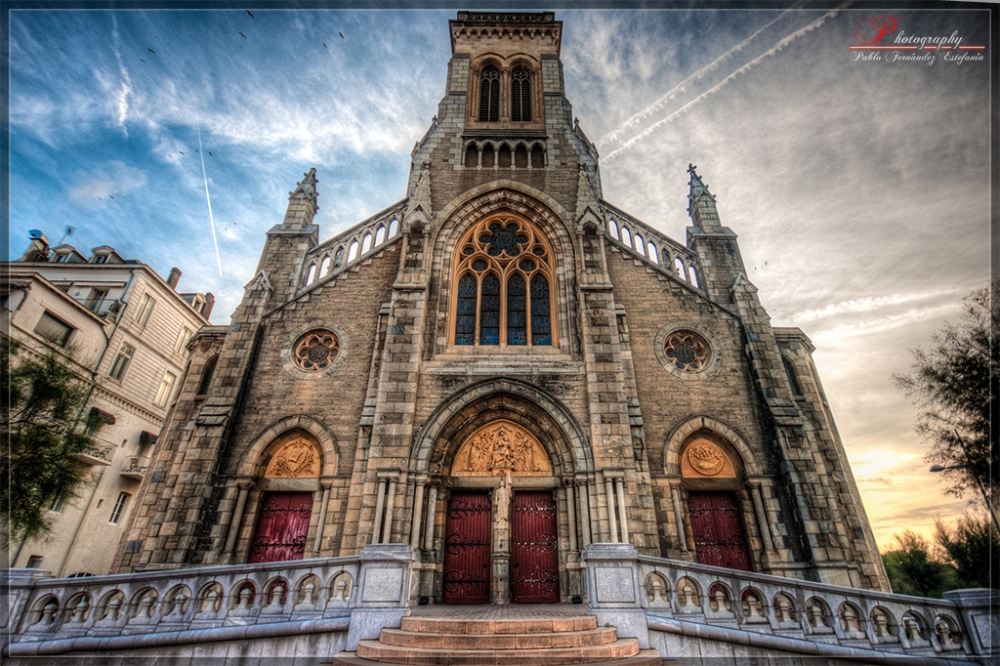
In Vitoria-Gasteiz, the Cathedral of Santa María is a Gothic jewel under constant restoration, offering unique tours through its scaffolding—a blend of medieval craftsmanship and modern preservation. Its intricate stonework and soaring arches inspired Ken Follett’s World Without End. For a quirky find, the Zuberoa, Baiona, and Kirikiño streets in Bilbao feature colorful, English-style workers’ houses from the 19th century, a rare architectural anomaly in the region.
Hidden Artistic and Architectural Spots
For an offbeat art experience, seek out Chillida Leku near San Sebastián, a 40-acre open-air museum dedicated to Eduardo Chillida’s monumental sculptures. His abstract iron and granite works, set against rolling hills, feel like an extension of the Basque landscape. In France, the Ortillopitz House in Sare offers a glimpse into 17th-century Basque architecture with its preserved oak beams and period furnishings, doubling as a cultural museum with folk art displays.
The Añana Salt Valley in Álava, while known for salt production, is also an architectural marvel. Its ancient wooden platforms and canals, some dating back 6,500 years, create a surreal, terraced landscape that’s as artistic as it is functional. In Biarritz, the Villa Belza, a neo-Gothic chateau perched on a cliff, blends architectural drama with artistic lore, once a hub for 1920s bohemian parties.
Experiencing the Arts and Architecture
To immerse yourself, time your visit for Bilbao’s Arco Festival (February), showcasing contemporary art, or San Sebastián’s International Film Festival (September) at the Kursaal, blending cinema with architectural grandeur. Join a Mimo food and architecture tour in San Sebastián to explore pintxos bars housed in historic buildings. For hands-on art, try a workshop at Tabakalera, where locals teach Basque printmaking or ceramics.
Basque architecture and art are best experienced slowly. Wander Bayonne’s medieval cellars, sketch the Vizcaya Bridge at sunrise, or sip txakoli at a baserri-turned-cider house. The region’s creative spirit, from ancient caves to Gehry’s titanium masterpiece, reflects a people fiercely proud yet endlessly innovative. For more inspiration, visit [www.spain.info] or [www.guide-du-paysbasque.com]. This Basque Region Insiders View invites you to see, feel, and create in a land where every stone and canvas tells a story.




My God. Just beautiful.