

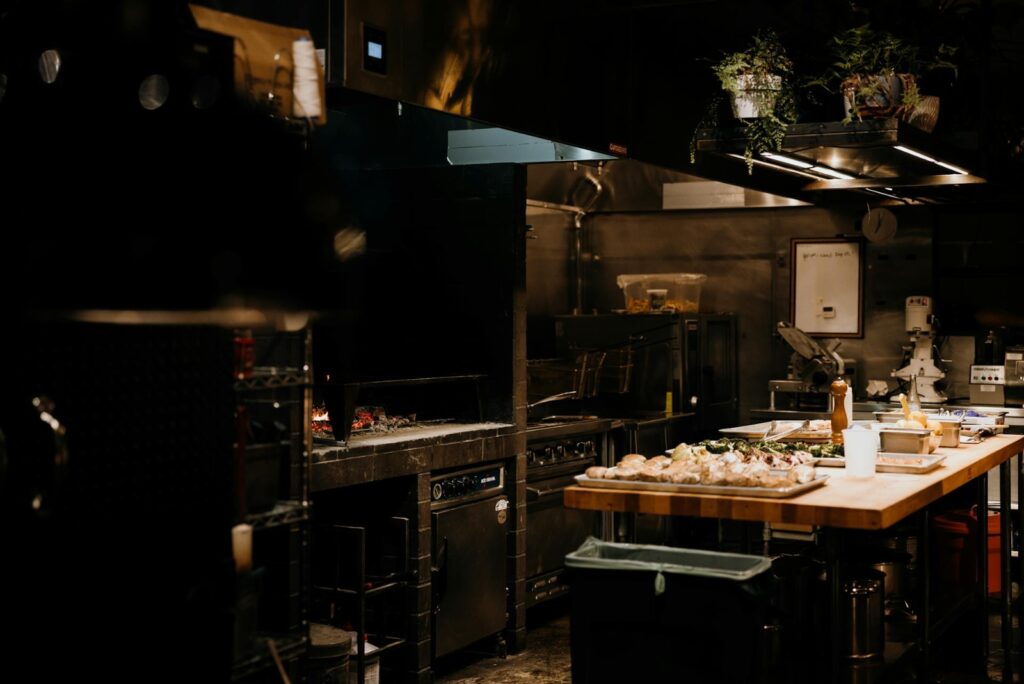
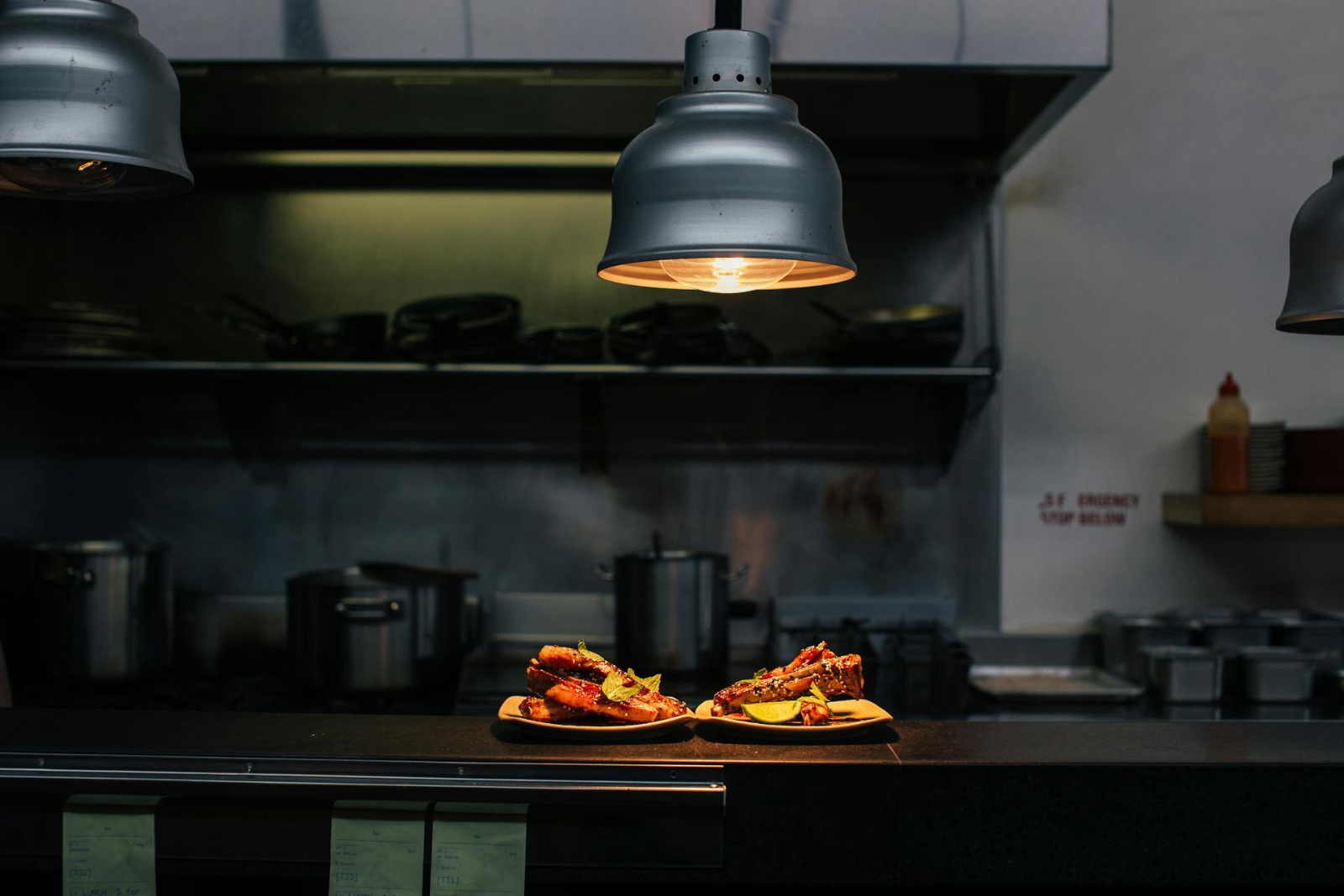
There is a moment — usually somewhere between the second course and the third — when a Chef’s Table guest stops performing the role of dinner party attendee and simply becomes present. The noise of the outside world falls away. The conversation slows into something more genuine. And somewhere just a few feet in front of them, a chef is doing something extraordinary with a reduction and a pair of tongs, and explaining exactly why.
That moment does not happen at a catered dinner. It cannot. Catered dinners are designed for scale, for efficiency, for the smooth delivery of food to a room. A Chef’s Table is designed for something else entirely — for the deliberate, unhurried experience of watching mastery up close, and being fed by it.
What a Chef's Table Actually Is
The term gets used loosely, so it is worth being precise. A Chef’s Table dining experience is a specific and intentional arrangement in which a small group of guests — typically between two and twelve people — is seated inside the kitchen itself, or in a private room positioned directly adjacent to it, with a clear and unobstructed view of the culinary team at work.
This is not a table near the kitchen. This is not an open-plan restaurant where you can see a grill station from across the room. This is immersion. The sights, the sounds, the choreography of a working kitchen become the ambient backdrop of the meal — the theatre of it — while the chef moves between the line and the table, explaining what is happening and why.
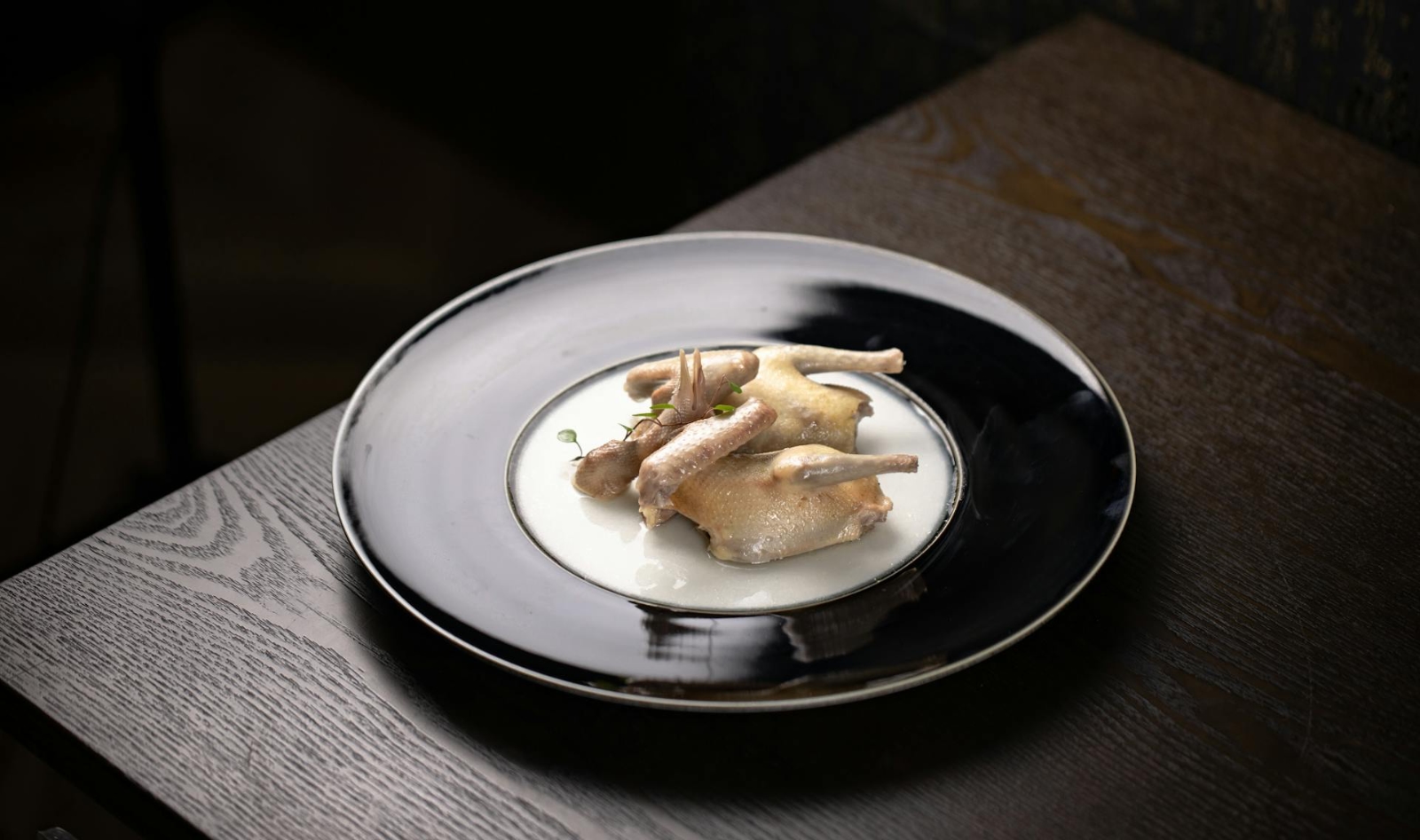
The menu at a true Chef’s Table is not pulled from a standard catering package. It is curated specifically for the evening, often incorporating off- menu preparations, hyper-seasonal ingredients, and dishes that exist in an experimental or unrepeatable form. What is served on a Tuesday in October may never be served again. That specificity — that sense of this meal, for these people, on this night — is precisely what makes the experience irreplaceable.
The Room Where It Happens
Picture this. You arrive and are led not to a dining room but to the kitchen itself, which has been configured for your group: a long table set with linen, stemware catching the kitchen light, a candle or two softening the professional sheen of stainless steel around you. The kitchen brigade — dressed, focused, already mid-preparation — moves with the practiced efficiency of people who have done this a thousand times and still care about every detail.
You sit down. A glass of something cold and precise is placed in front of you. And then the chef appears.
Not from across a room. Not via a server who has memorized a script. The chef stands three feet away and tells you about the first course — perhaps a crudo built around a fish that came in this morning, dressed with an oil that took six weeks to infuse. They tell you about the farmer who grew the ingredient in the garnish. They show you, briefly, the technique that makes the texture possible.
This is the Chef’s Table. Food & Wine describes the experience as one that transforms a meal into a “master class,” and the description is accurate — not because it is formal or instructional, but because it is alive with the kind of knowledge that only comes from someone who has made a thing ten thousand times and still finds it worth talking about.
Why It Destroys the Catered Dinner Model
The catered dinner has its logic. For large events — corporate functions, weddings, fundraisers — it is the only viable architecture. Food must travel. Portions must be standardized. Timing must accommodate a hundred plates arriving at once. These are real constraints and catering professionals navigate them with genuine skill.
But for intimate gatherings — dinner parties, milestone celebrations, client entertainment, private occasions where the evening itself is the gift — the catered dinner model asks guests to accept a fundamental compromise: the food arrives from somewhere else, made by someone they will never meet, following a menu that was finalized weeks ago and will not change regardless of what came into season yesterday.
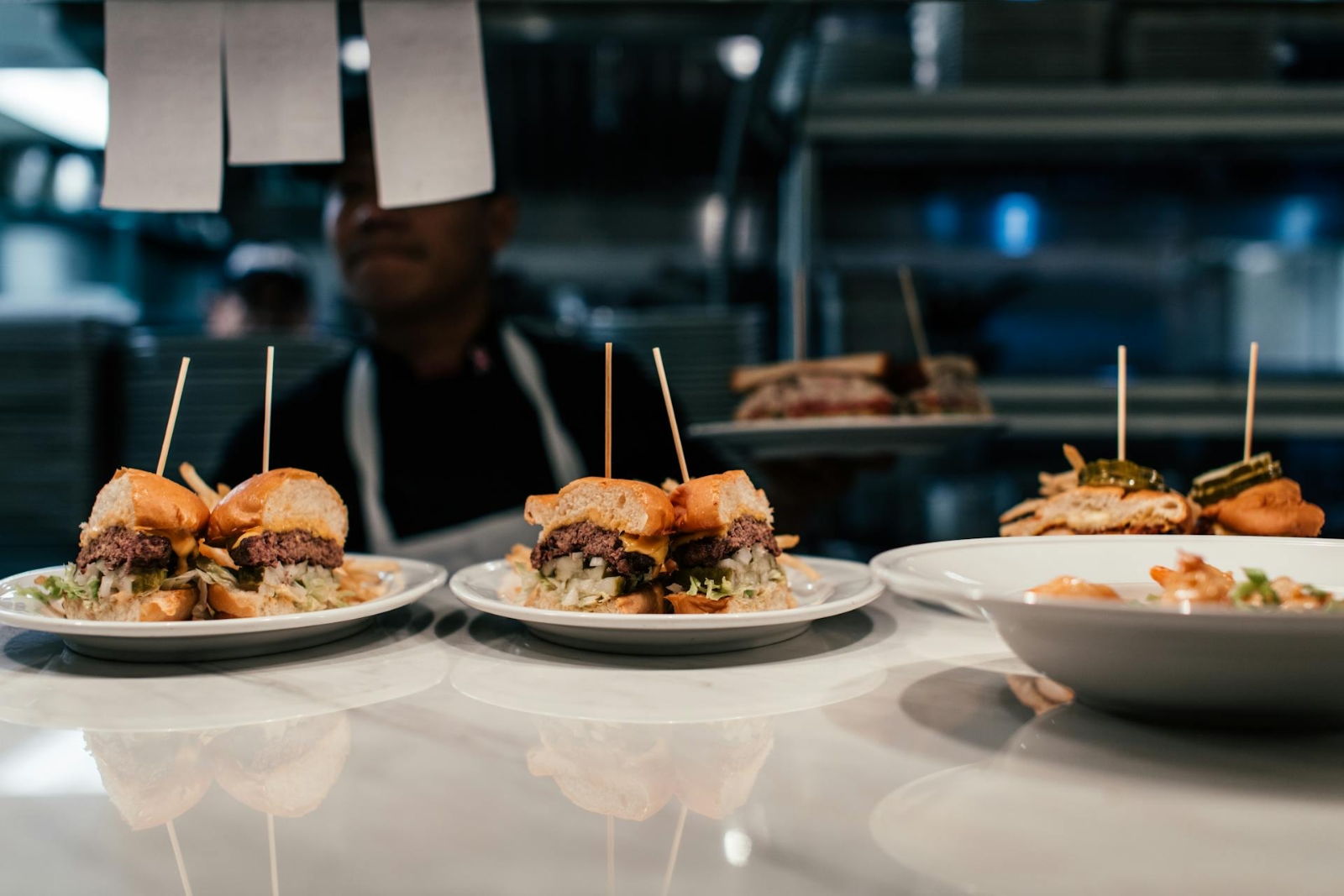
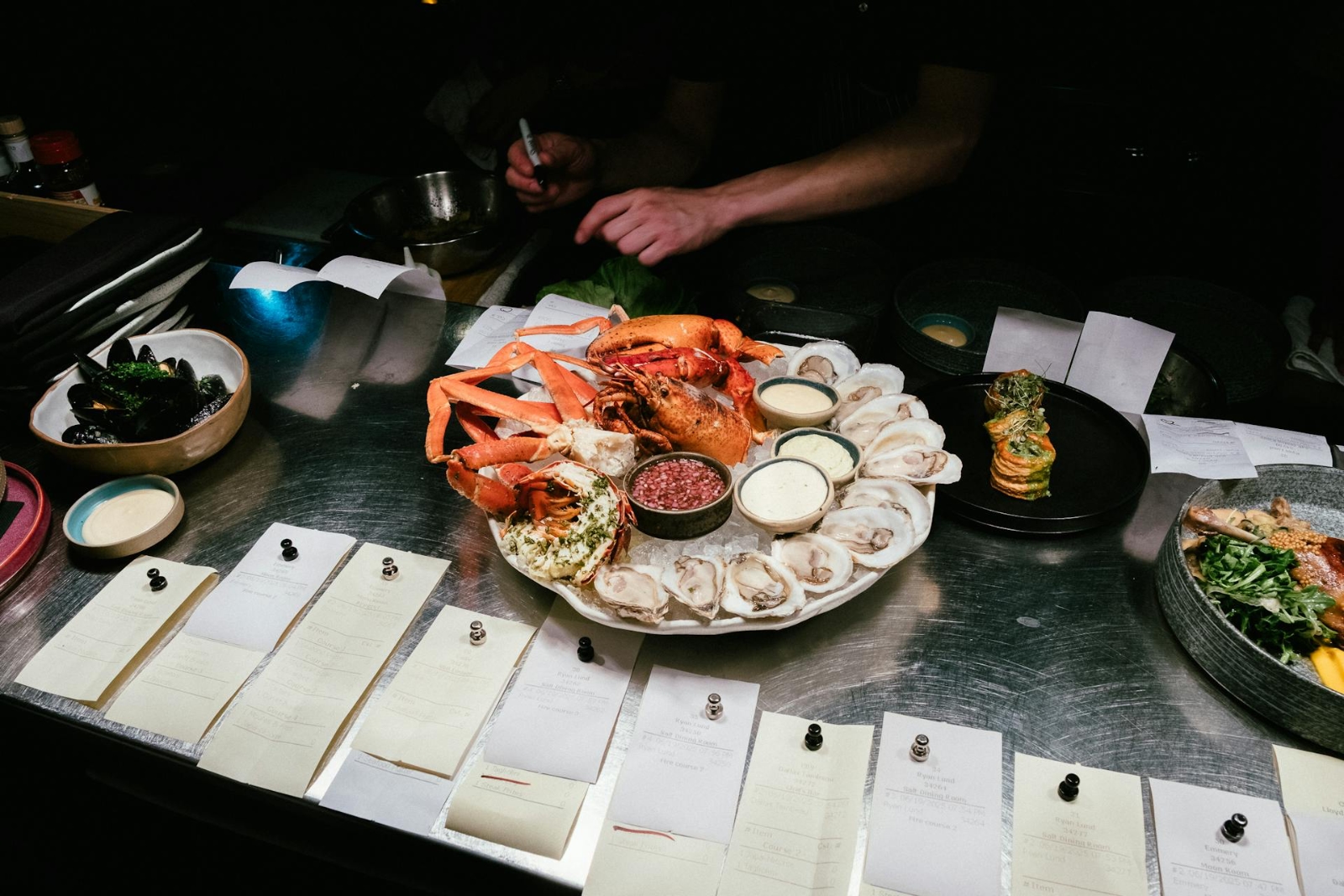
A private Chef's Table experience refuses that compromise at every level.
The menu exists for you specifically. The chef is present, not abstracted behind a service model. The interaction between guest and kitchen is not incidental — it is structural. Guests at a Chef’s Table routinely describe a quality of attention that is simply not available in conventional dining formats: the sense that every element of the evening has been considered in relation to them, their preferences, the occasion.
There is also something psychological at work. Watching food being made — really watching it, at close range, with explanation — transforms the act of eating. Dishes that might read as simply elegant on a plate become genuinely moving when you have seen the care behind them. Eater’s longform coverage of tasting menu culture captures this well: the context of preparation changes the experience of consumption in ways that are difficult to articulate but impossible to deny once felt.
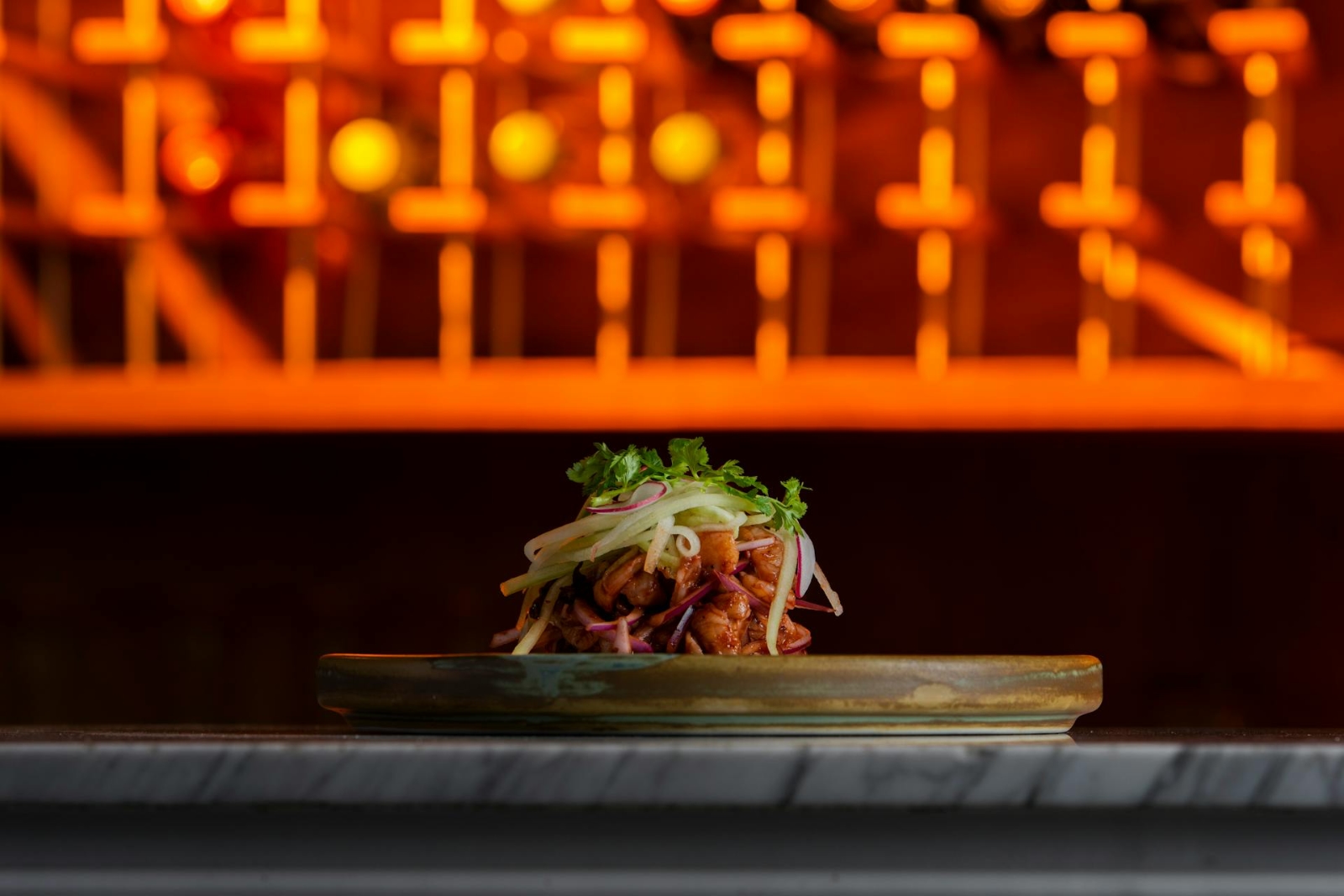
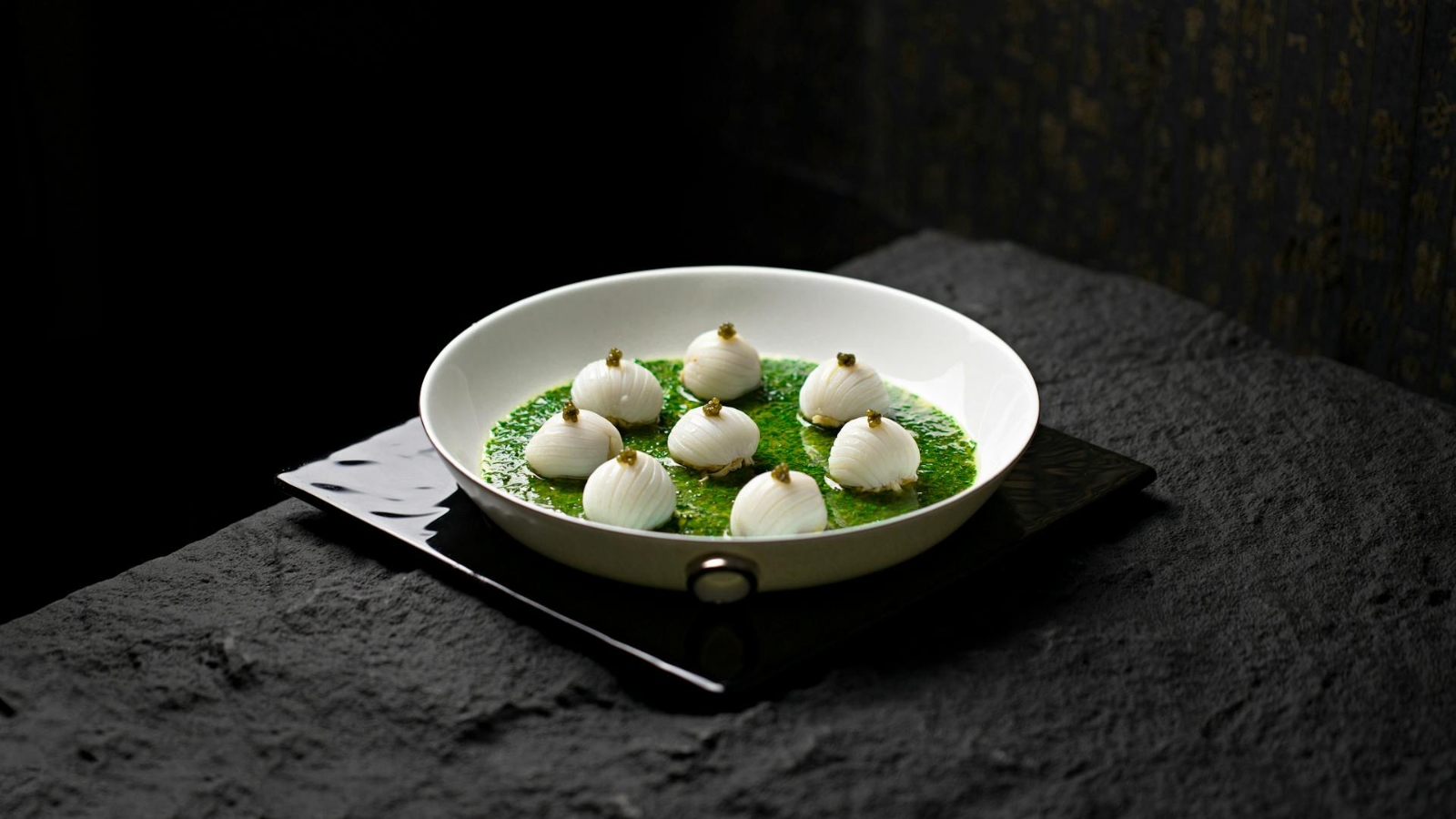
The Details That Make the Difference
Intimacy of scale. The maximum of twelve guests is not arbitrary. It is the threshold at which a chef can maintain genuine engagement with every person at the table. Above that number, the experience begins to dilute into something closer to a demonstration. Below it, something rare and conversational becomes possible.
The off-menu reality. Because a Chef’s Table menu is not constrained by what must be executable for a full dining room, the chef is free to work with ingredients and techniques that would be impractical at scale. Dishes that require minute-by-minute attention. Preparations that only work for small quantities. Flavor combinations being tested for the first time. Guests at a Chef’s Table are, in a real sense, participants in an ongoing creative process.
Pacing as hospitality. A catered dinner moves at the speed of logistics. A Chef’s Table moves at the speed of conversation. Courses arrive when they are ready and when the room is ready for them — a distinction that sounds small and feels enormous over the course of an evening.
The memory it makes. Ask anyone who has experienced a true Chef’s Table and they will tell you the same thing: they remember it. Not in the abstract, not as a category of nice dinner, but specifically — the dish, the explanation, the moment the chef sat down briefly between courses and talked about why they cook. Catered dinners are, by design, forgettable. A Chef’s Table, done well, is not.
The Invitation
If you are planning an intimate dinner — a birthday, an anniversary, a gathering of people who matter — consider what you are actually trying to give them. If the answer is food, a caterer will serve you well. If the answer is an evening they will not stop talking about, the Chef’s Table is the only format that was built for that purpose.
The kitchen is open. The table is waiting.


What a great dining experience. Frances culinary skills are unparalleled. Having a custom, first class dinner in our home was far better and more relaxing than any restaurant. This was our second “in home” experience with Frances (and Brandon) and as good as his restaurant was this was better! We can’t recommend him highly enough.