Alternate Venues
by Debra Malota • Chef Francis • Private Dining
The banquet hall has had its moment – now it’s time for 4 alternative event venues. Draped linens, rented centerpieces, and the hum of a generic sound system — it is a formula that works, technically, but rarely lingers in memory beyond the drive home. Today’s most coveted gatherings are deliberately mismatched to their purpose: a dinner held somewhere a dinner has no business being, and precisely for that reason, unforgettable. Whether you are planning a corporate gala, a milestone birthday, a rehearsal dinner, or a nonprofit fundraiser, these four alternative venues don’t just host your event — they *become* it.
1. The Natural History Museum: Dining Under Tyrannosaurus Rex
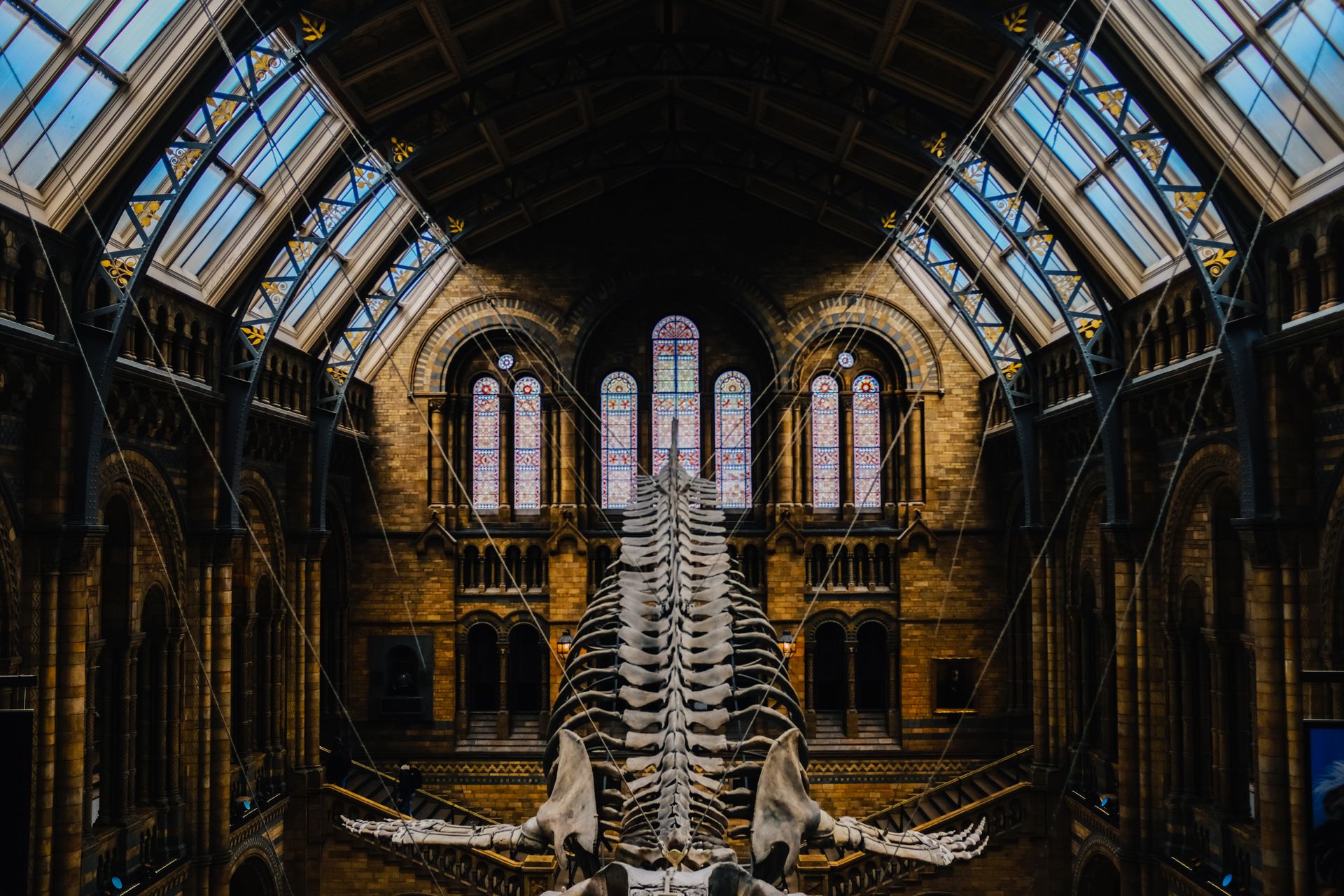
There is something irreducibly cinematic about eating a four-course meal beneath the suspended skeleton of a Tyrannosaurus rex or between the glass-eyed stares of reconstructed megafauna. Natural history museums have quietly become some of the most sought-after private event spaces in the country, offering a grandeur that no ballroom ceiling can replicate.
The staging possibilities here are extraordinary. Caterers work around permanent collections, meaning your guests circulate through galleries between courses — cocktail hour among the gem and mineral exhibits, dinner beneath the towering armature of a sauropod, dessert in the Hall of Ancient Seas. Venue coordinators typically provide Chiavari chairs or sleek Lucite seating that doesn’t compete visually with the displays. Long farm tables, candlelit in amber, run along marble floors while dramatic uplighting throws fossils into high relief. Linen colors are almost always drawn from earth tones — clay, slate, bone — to harmonize with the collections rather than overwhelm them.
Audio systems are fully integrated into most museum event packages, and the acoustics of cathedral-ceilinged halls provide a natural resonance that makes live chamber music feel effortless. For branding, projection mapping onto specimen walls or rotundas is increasingly standard. Several natural history institutions across the country make their dinosaur halls and fossil galleries available for alternative event venues of 150 to 1,000+ guests. A few worth contacting directly:
• Smithsonian National Museum of Natural History — Washington, D.C. |
Each alternative event venues has its own capacity tiers, catering partner requirements, and gallery access policies, so reaching out directly to their events or facility rental departments will get you the most current pricing and availability.
2. The Planetarium: Dinner Under a Private Universe
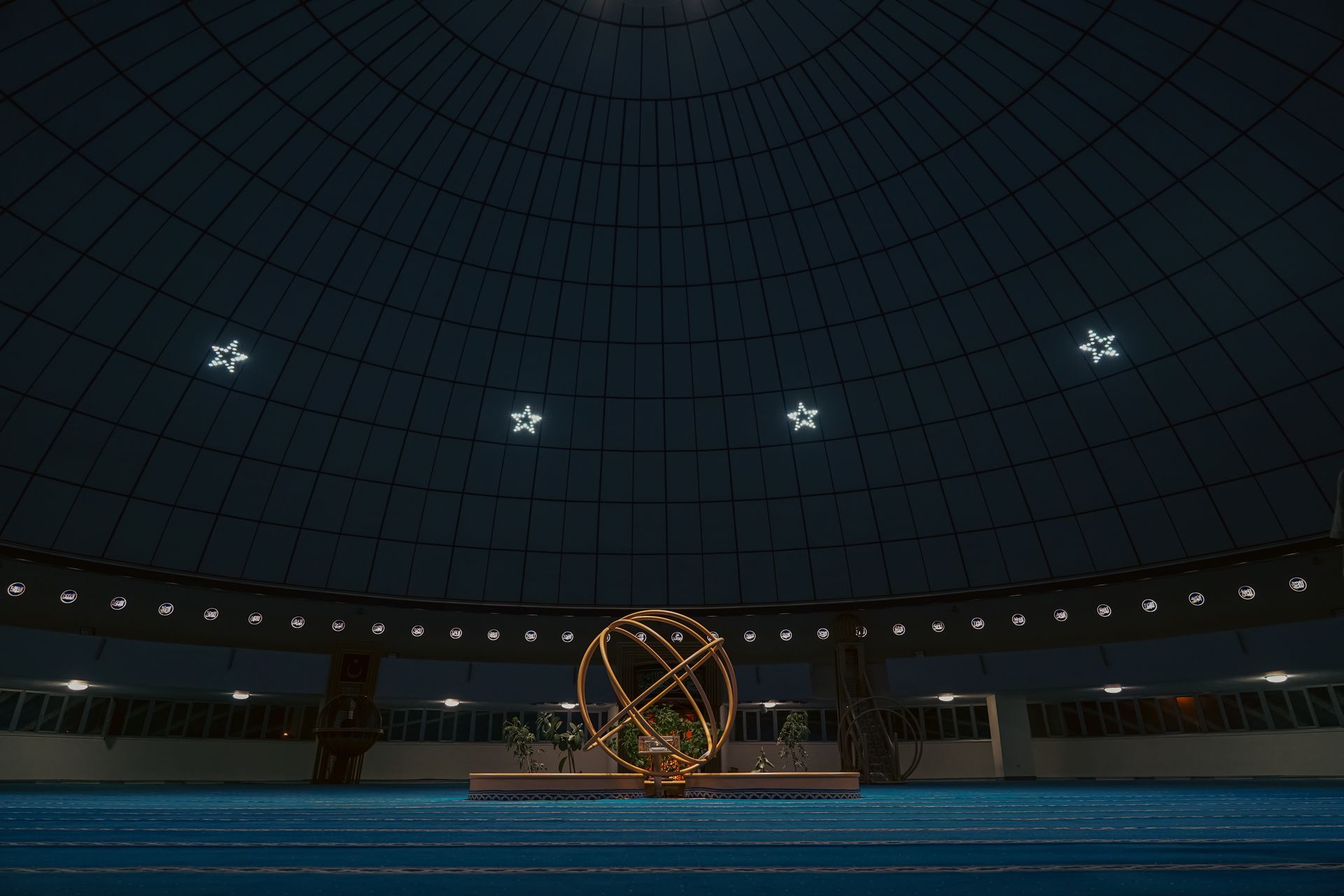
Nothing recalibrates a room quite like turning off every light and opening the full dome of a planetarium onto a simulation of the night sky. The effect is not theatrical — it is genuinely sublime, and it arrives free of charge as part of the venue package.
Planetarium alternative event venues work best for intimate gatherings of 40 to 100 guests, seated in the round beneath the dome with the projector system cycling through custom astronomical programs between speeches and courses. Venue staff can be commissioned to design a sky sequence tied to a specific date — the night of a couple’s first meeting, the founding date of a company, the birth year of the guest of honor. The staging is inherently minimal because the ceiling *is* the décor: round tables in deep jewel tones (midnight blue, plum, forest green), low floral arrangements that don’t interrupt sightlines, and votive candlelight that won’t compete with the projected stars above.
Many planetariums — including those operated by major science museums — include built-in theater seating alongside rentable flat floor space, giving event planners genuine flexibility. Staff astronomers are often available as part of the booking to deliver a brief narrated sky tour, a conversational touch guests consistently cite as the highlight of the evening. [The Adler Planetarium in Chicago] maintains one of the most robust private event programs in the country, with flexible indoor and lakefront outdoor options.
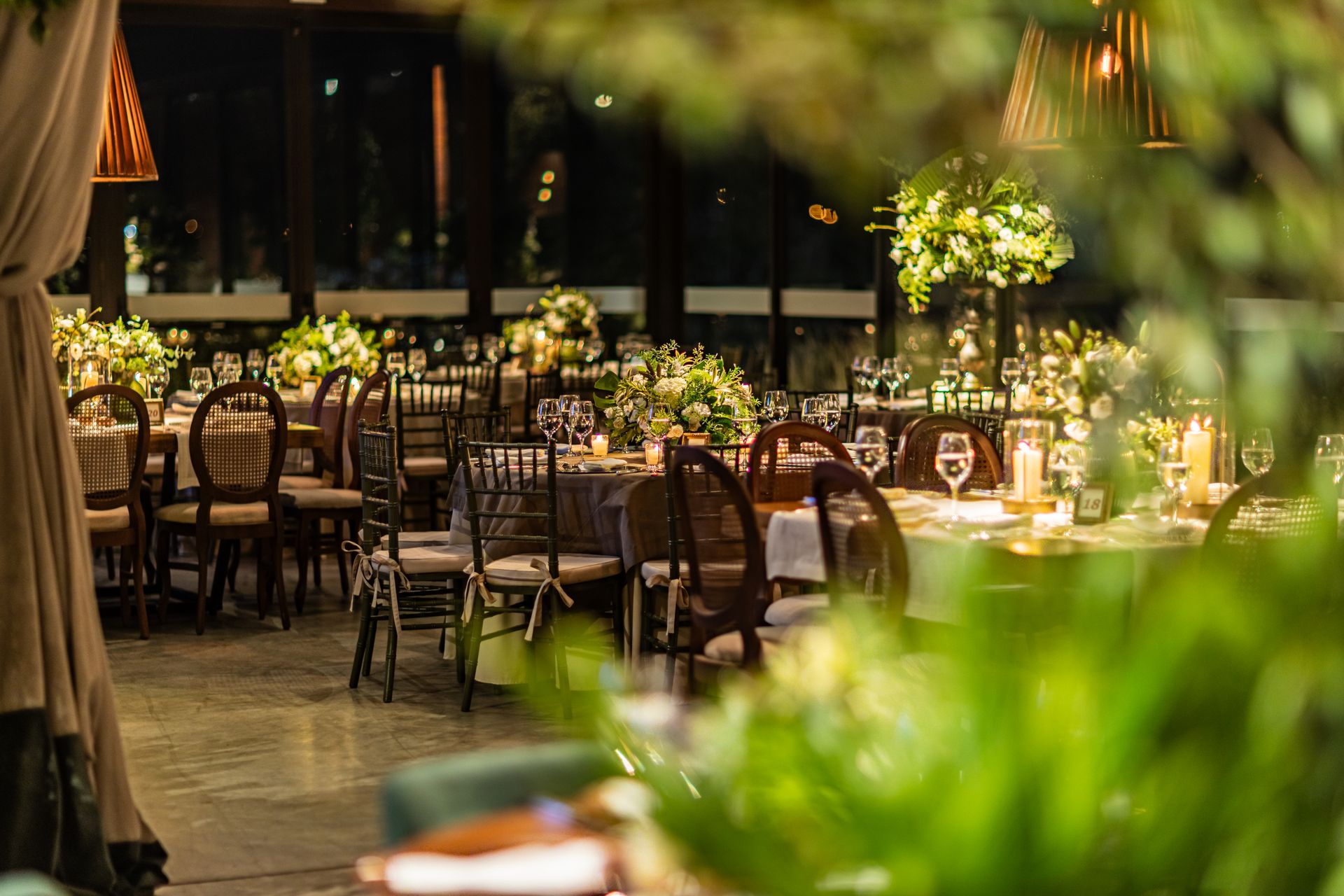
3. The Botanical Garden: A Garden Party Without the Contingencies
The appeal of an outdoor garden event has always been undermined by one word: weather. Botanical gardens elegantly dissolve that anxiety by offering expansive climate-controlled conservatories — glass-walled greenhouse structures filled with tropical blooms, century-old specimen trees, and curated living landscapes — alongside their traditional outdoor grounds.
The accoutrements of a botanical garden dinner lean naturally organic: locally sourced floral installations using the garden’s own cutting beds, moss tablescapes, wooden charger plates, linen napkins in botanical prints, and menu cards pressed with real leaves. Caterers with botanical garden experience often design menus around edible flowers and garden-harvested herbs, tying the plate directly to the setting. Dinner service frequently incorporates fairy lights strung through overhead canopies, with the ambient fragrance of jasmine or gardenia carrying through the entire alternative event venues at no additional staging cost.
Private garden rentals typically include exclusive access to specific zones — the rose garden, the orchid house, the Japanese garden — which can be programmed as station-based cocktail experiences before guests are seated for dinner in the central conservatory. Setup time is generous, and most botanical gardens include on-site event coordinators familiar with the terrain. [The American Horticultural Society maintains a directory of public gardens with private event programs] that is a useful starting resource for finding options near any metropolitan area.
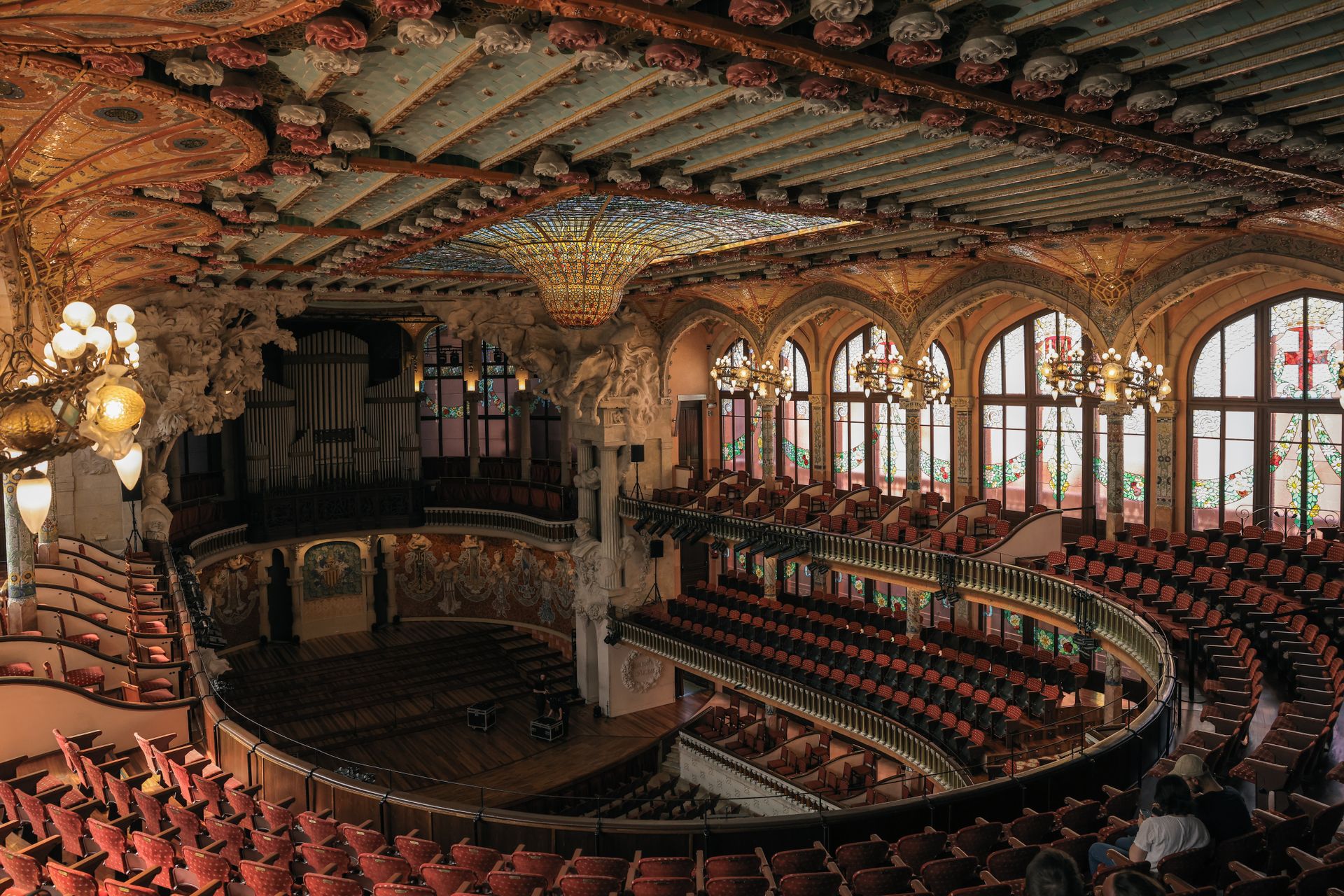
4. The Historic Theater: The Stage Is Yours
A dinner held on the stage of a historic theater inverts every expectation of the space. Guests who have always sat in the house, facing the stage, now *are* the show — seated on a set dressed for the occasion while the gilded proscenium arch frames the entire evening like a living painting.
The staging of a theater dinner is perhaps the most dramatically rich of any alternative venue. The technical infrastructure already in place — a full theatrical lighting grid, professional sound systems, stage rigging, and fly space — gives event designers access to production values that would cost a small fortune to rent and assemble elsewhere. Gobos cast custom patterns (monograms, florals, geometric designs) across tablecloths and the stage floor. A grand piano is rolled to center stage for a live performance between courses. Projection systems play archival footage, photo slideshows, or custom video tributes on the scrim behind the dining tables. House and balcony seating can be opened for overflow guests or repurposed as a cocktail lounge overlooking the stage.
Décor tends toward the opulent in this setting — velvet, crystal, deep burgundy or champagne color palettes — because the room itself demands a certain formality be met. Historic theaters, particularly those operating under preservation mandates, often have decades of event experience embedded in their staff and will guide clients through what is and is not permitted on the stage boards. The breadth of what is possible in this format makes it ideal for galas, award dinners, and milestone anniversary celebrations where the evening deserves to feel genuinely theatrical — because it is.
The Common Thread
What unites a museum, a planetarium, a botanical garden, and a historic theater is this: they are all places built around wonder. They were designed to make people stop, look up, and feel something outside themselves. Bring dinner into that architecture, and you haven’t just changed the backdrop — you’ve changed the *register* of the entire evening. Guests arrive as attendees and leave as participants in something they didn’t expect, which is, in the end, exactly what a great event is supposed to accomplish.
When you begin evaluating alternative venues, ask the on-site coordinator three questions: What is already built in (lighting, sound, staging, temperature control)? What are the load-in and breakdown windows? And what has surprised previous clients most about the space? The answers will tell you everything you need to know.
bonus! for the persnickety type of clientele...
The Rock on the River — Clearfield County Jail, Clearfield, Pennsylvania
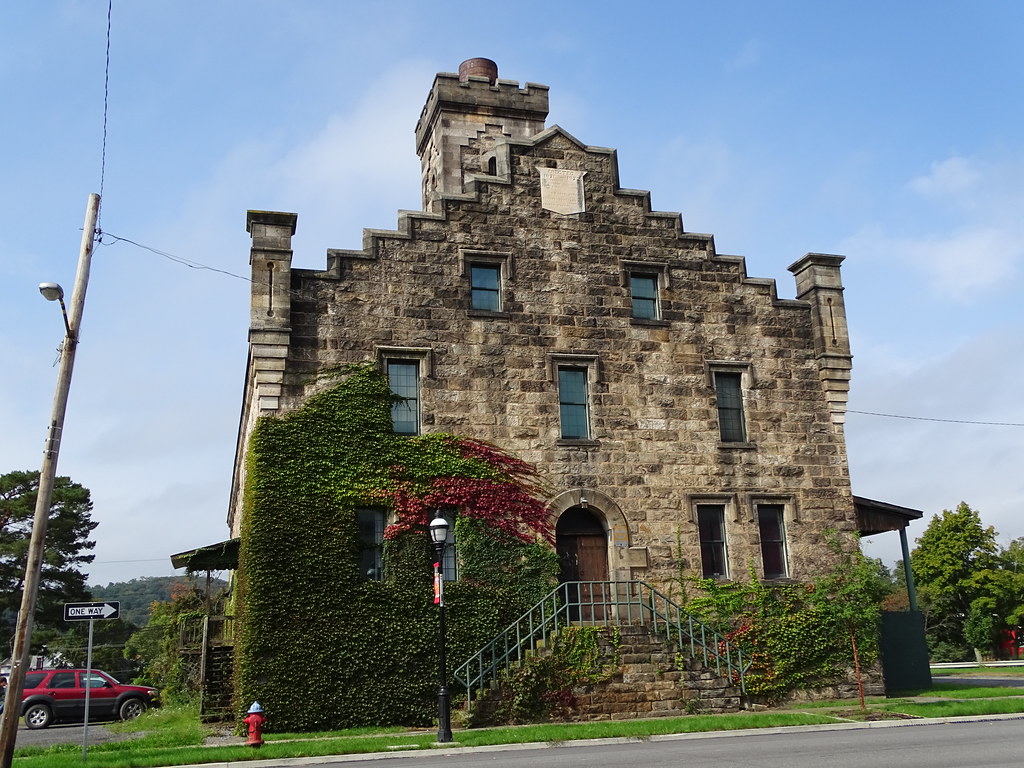
The historic Clearfield County Jail, built in 1872 in downtown Clearfield, has been reimagined as “The Rock on the River,” housing a fine-dining restaurant, a distillery, a speakeasy, and a private event space. The building looks more like a castle than a former prison — constructed from pale sandstone blocks with two turrets on the front corners and a watchtower on top. The Cell Block is one of several sections available for event rentals, including weddings, and there’s even a bridal suite on the second floor adjacent to the “Doing Time Distillery.” The name itself plays on the building’s prison nickname and its location on the West Branch of the Susquehanna River — the kind of layered identity that makes for excellent editorial copy.
Old New-Gate Prison & Copper Mine — East Granby, Connecticut
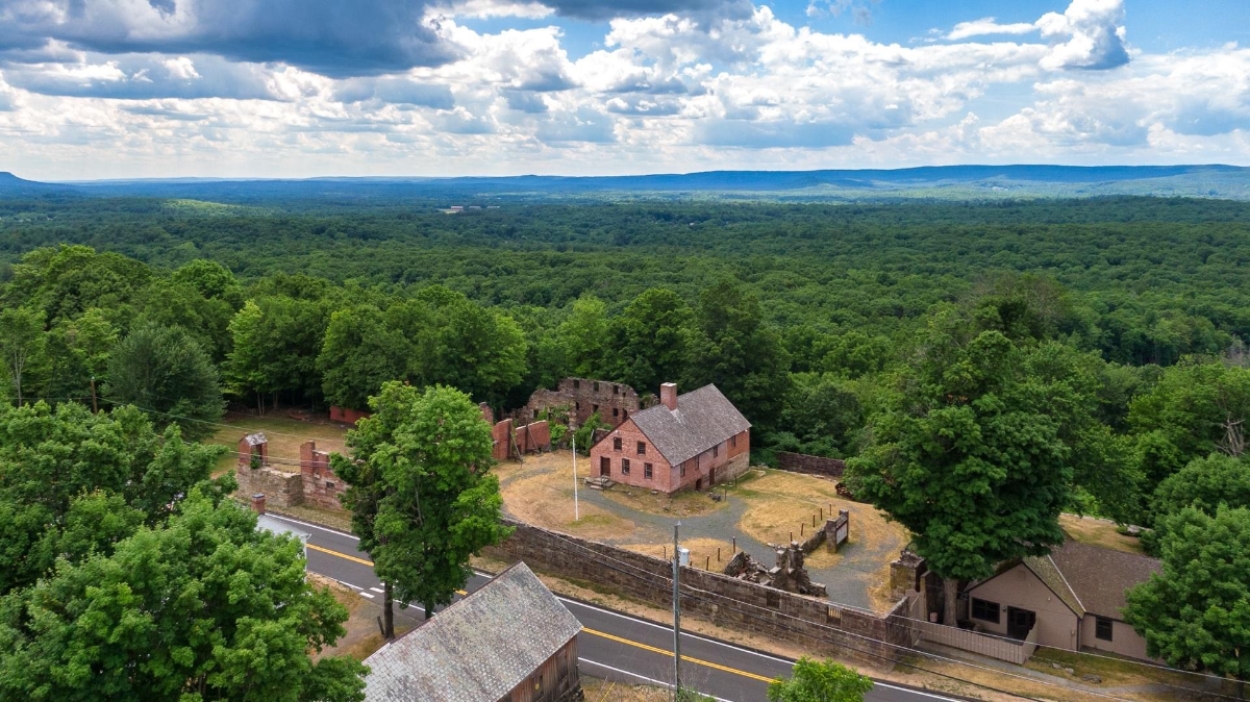
This one is in a category entirely its own. Old Newgate Prison was originally a copper mine opened in 1705, believed to be the first copper mine in America. After mining operations proved unprofitable, Connecticut converted it to a prison. In 1790 it became a state prison — the first such institution in America. A cool 52 degrees greets guests as they explore mine paths that go 80 feet underground. The guardhouse served as a dance hall during the 1920s and 1930s, and the grounds were occasionally used for public events and exhibitions. It is now a state-administered historic site and National Historic Landmark. Worth contacting the Connecticut DEEP directly to inquire about private event access — the combination of underground tunnels, colonial-era ruins, and the sheer historical weight of the site would be nearly impossible to replicate anywhere else.