Culinary Arts · Fine Dining · Wine Pairings
Tasting Menu Mastery: A Modern Chef's Journey Through Small Plates
by Debra Malota · Chef Francis — Private Dining
Forget the towering entrée. The most talked-about dining trend reshaping restaurant culture isn’t about abundance — it’s about precision, intention, and the quiet theater of a perfectly composed small plate.
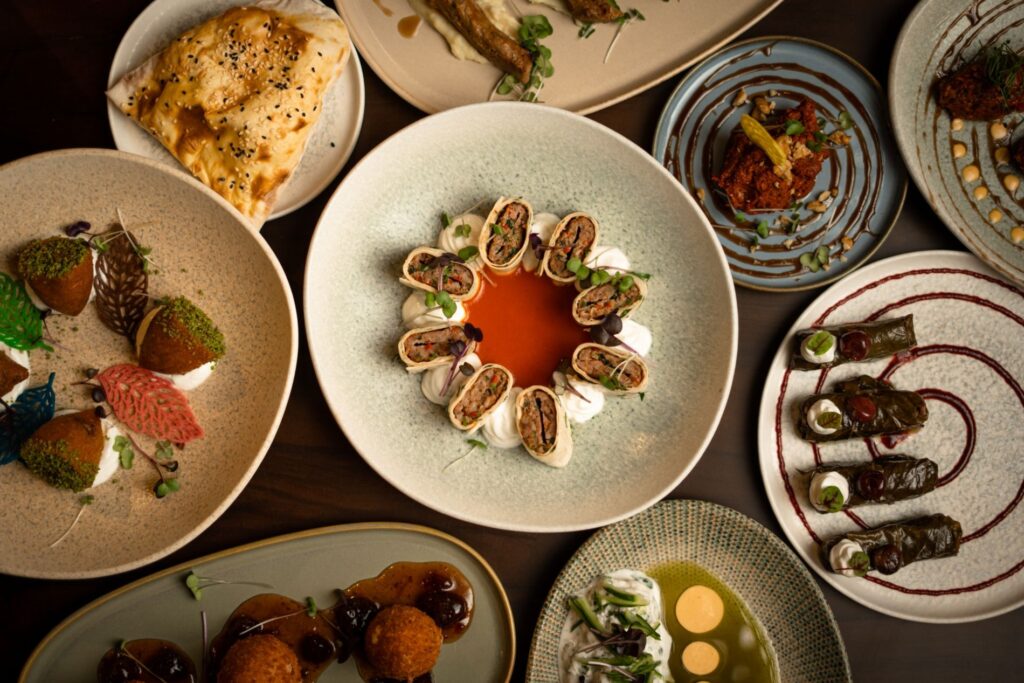
Tasting menus have long been the calling card of Michelin-starred temples, but a new wave of chefs is democratizing the format, bringing multi-course storytelling to neighborhood bistros, coastal seafood rooms, and wine-forward gathering spots. The small plate, once a humble amuse-bouche, has become the centerpiece of a modern dining philosophy rooted in restraint and reverence for the ingredient.
What follows is a complete tasting menu built from the finest seasonal offerings — paired with wines chosen to elevate each course — and a philosophy that asks a simple question: what if every bite mattered?
"A tasting menu is not a meal. It is a conversation between the cook and the guest — one that unfolds, one small plate at a time."
A TASTING MENU IN FIVE ACTS
The tasting menu is not merely a meal — it is a curated journey through flavor, technique, and intention. Each course exists in deliberate relationship to the one before and the one after, building a complete narrative from first bite to last.
Why Five Courses? The French Philosophy of the Table
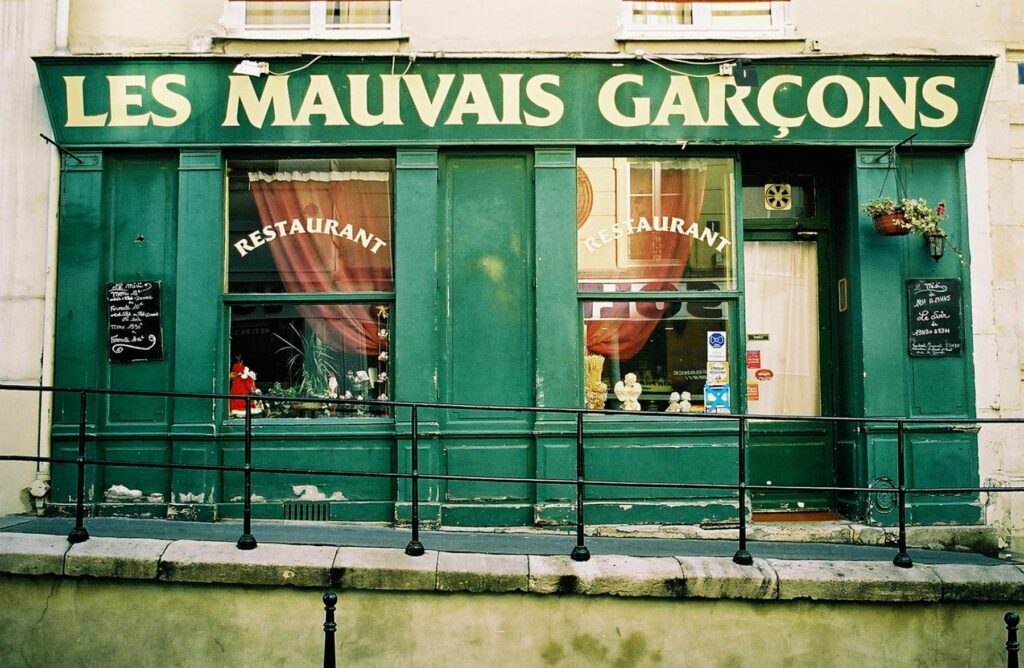
The French did not arrive at the five-course tasting menu by accident. Rooted in the grand tradition of haute cuisine codified by Escoffier and refined through centuries of culinary culture, the five-course structure reflects a deeply held belief that eating is a civilized art requiring both patience and progression. To the French, a meal consumed too quickly — or without deliberate sequencing — is a meal wasted.
Each of the five stages serves a physiological and aesthetic purpose: the appetizer awakens the palate and signals the body to prepare; the salad introduces acidity and lightness to cleanse and reset; the soup provides warmth, depth, and a contemplative pause; the entrée delivers the kitchen’s principal statement; and dessert provides resolution — not indulgence, but closure. Together, the five courses mirror the arc of great storytelling — an opening, rising action, a turning point, a climax, and a denouement. To sit at a French table for five courses is to agree, wordlessly, that the evening belongs to the meal.
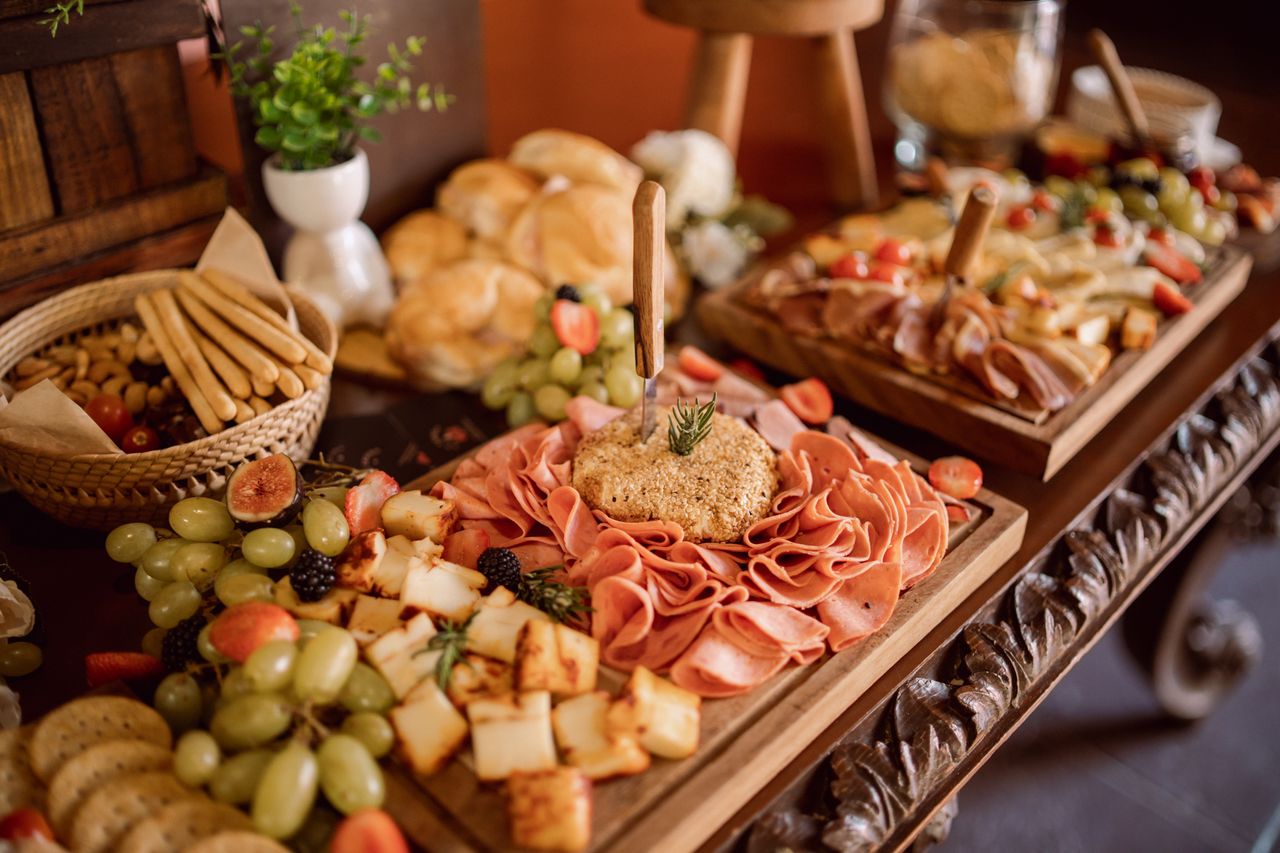
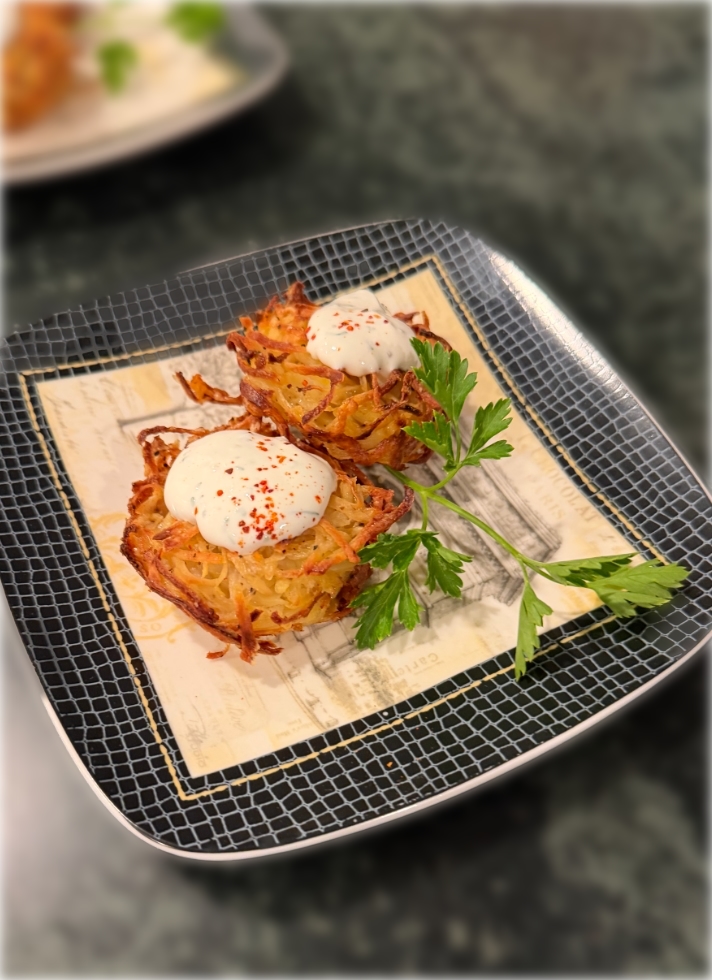
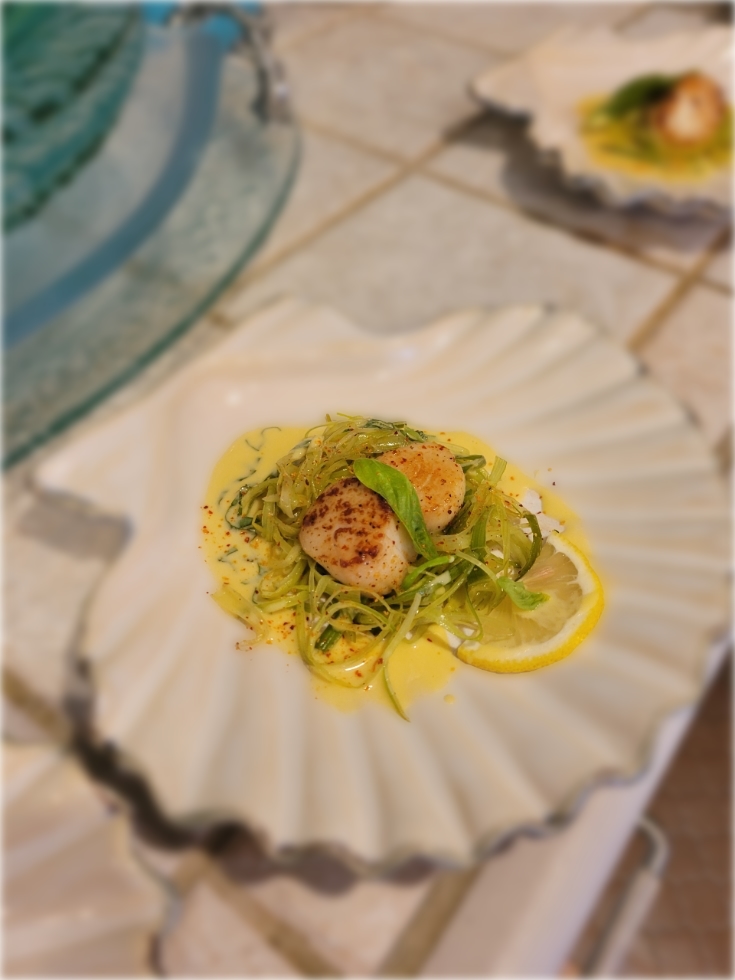
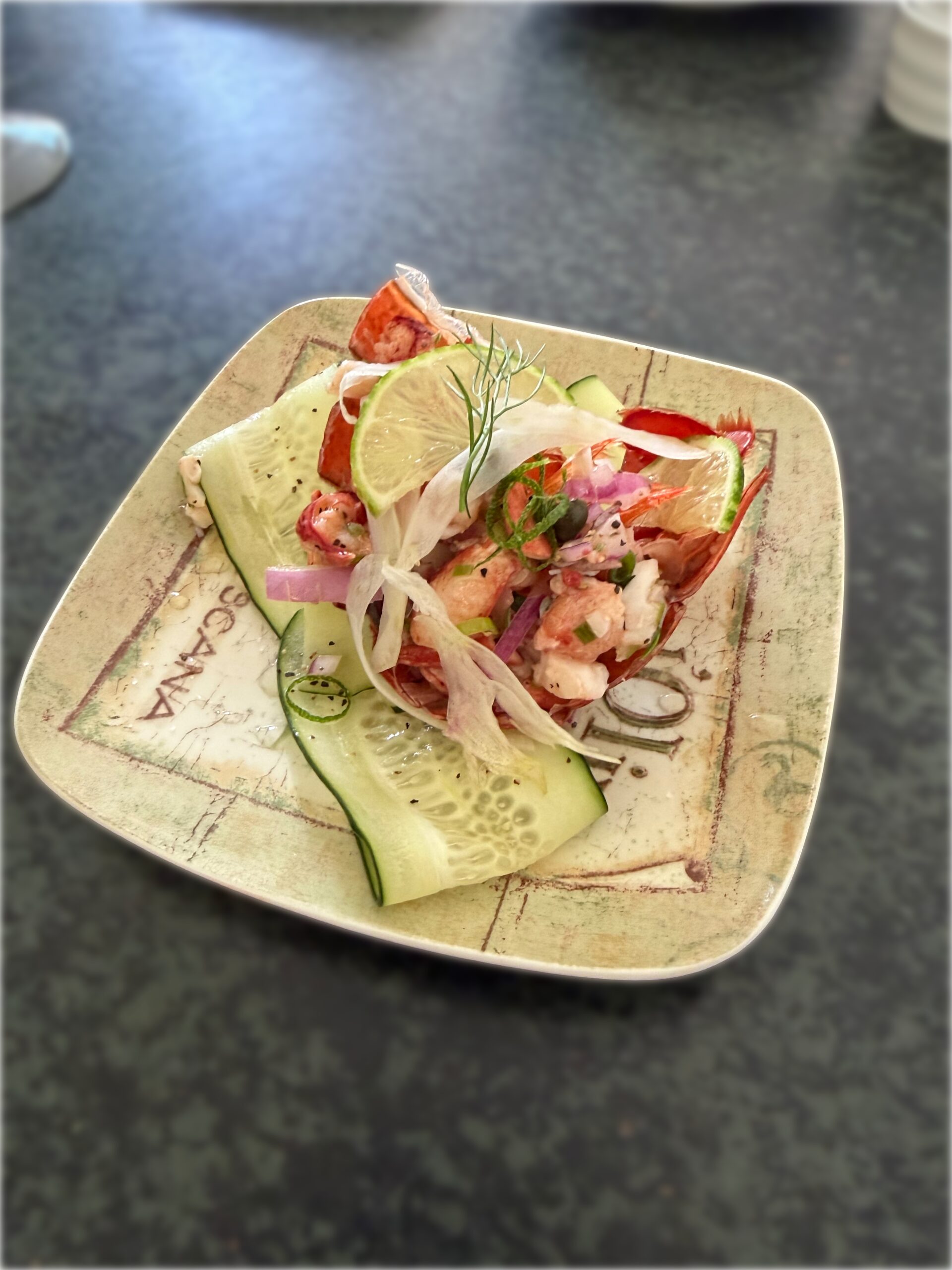
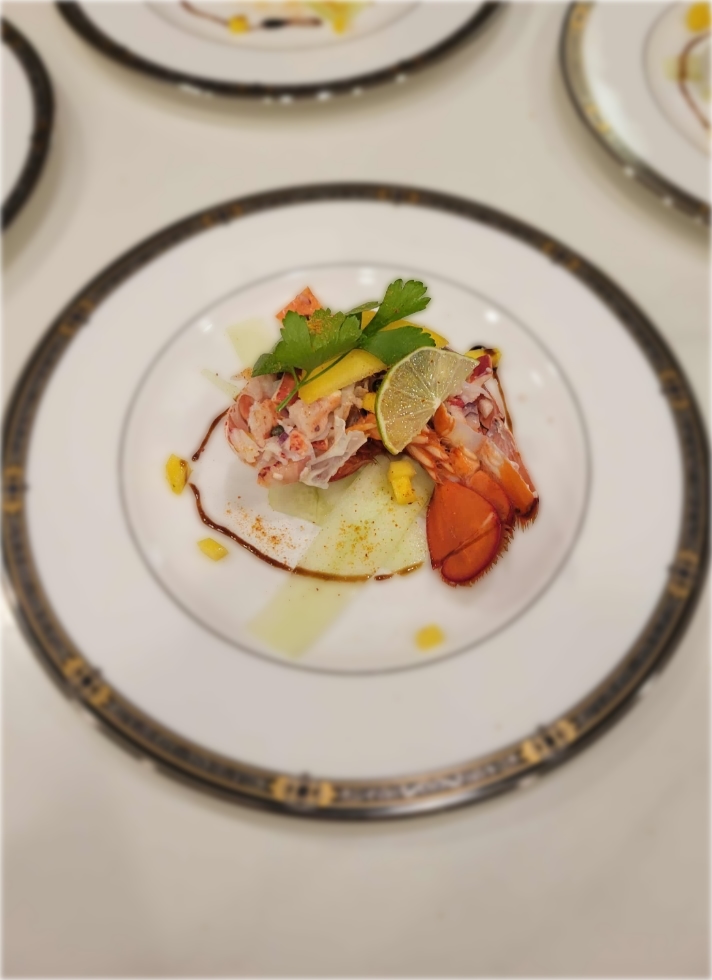
A table set in five movements
The French Philosophy of the Table
FIRST COURSE
APPETIZERS: THE OPENING CONVERSATION
The tasting menu's appetizer sequence sets the tone for everything that follows. Great chefs treat the opening plates like the first pages of a novel — they must orient, intrigue, and leave the guest wanting more. In a properly composed tasting menu, the sea anchors the table alongside the garden and the cure house.Oysters with Fresh Tarragon — Chilled on crushed ice, dressed with a tarragon mignonette and a whisper of lemon zest. Briny, clean, and alive. Clams Casino — Littleneck clams broiled with pancetta, roasted peppers, and herbed breadcrumbs. A retro classic, beautifully reimagined. Scallops Wrapped in Prosciutto — Pan-seared sea scallops in a crisp prosciutto jacket, finished with sage brown butter and micro arugula. Shrimp Cocktail — Wild Gulf shrimp, poached to perfection, served with a house-made horseradish cocktail sauce and preserved lemon cream.
Wine Pairing: 2022 Domaine Weinbach Riesling — Alsace, France The cool minerality and citrus precision of this Alsatian Riesling cuts through the richness of the prosciutto while amplifying the oceanic freshness of the oysters and shrimp. A touch of residual sweetness bridges beautifully to the tarragon — and prepares the palate for the courses ahead.
SECOND COURSE
SALAD: LIGHT, LAYERED, DELIBERATE
Every thoughtfully composed tasting menu includes a course that reveals the chef's gardening philosophy. These are not afterthoughts — they are statements about seasonality, texture, and the power of acidity to reset the palate between richer tasting menu courses.Melon with Prosciutto di Parma — Chilled Charentais melon draped with hand-sliced prosciutto, aged balsamic, and torn fresh mint. Sweetness meets salt in perfect equipoise. Avocado & Lime — Silky avocado with charred corn, pickled jalapeño, toasted pepitas, and a lime-cilantro vinaigrette. Cool, creamy, and vivid. Italian Antipasti Plate — Marinated Castelvetrano olives, artichoke hearts, roasted cipollini onions, and house-pickled vegetables. A celebration of the Italian larder.
Wine Pairing: 2023 Santa Margherita Pinot Grigio — Alto Adige, Italy Crisp apple and white peach notes with a clean, dry finish make this the quintessential partner for the melon-prosciutto interplay and the bright acidity of the avocado course. The wine's restraint keeps the focus on the food — and on the tasting menu's deliberate forward momentum.
THIRD COURSE
SOUP: WARMTH & DEPTH
Roasted Red Pepper Bisque — Fire-roasted red peppers blended with sweet Vidalia onion, smoked paprika, and a swirl of crème fraîche. Topped with a fresh mozzarella crostino. Smoked Salmon Velouté — A silky leek-and-potato velouté finished with cold-smoked salmon flakes, dill oil, and roe. Ocean elegance in a bowl.
Wine Pairing: 2021 Sonoma-Cutrer Russian River Ranches Chardonnay — California The lush, creamy texture of this barrel-fermented Chardonnay mirrors the richness of both soups while its bright acidity and toasted oak notes provide contrast to the smokiness of the salmon velouté — maintaining the tasting menu's essential balance of richness and restraint.
FOURTH COURSE
ENTRÉE: THE PRINCIPAL STATEMENT
This is the course where a tasting menu's vision comes into clearest focus. In the small-plate tradition, even the entrée is a study in precision rather than volume — a composed centerpiece that rewards careful, unhurried eating and reflects everything the tasting menu has been building toward.Prawn Skewers with Chili Sauce — Jumbo tiger prawns grilled over hardwood, glazed with a house-made sweet chili-tamarind sauce, and served with herbed jasmine rice and cucumber relish. Smoked Salmon & Potato Blinis — House-smoked Atlantic salmon atop buckwheat blinis, crème fraîche, capers, shaved red onion, and golden Ossetra caviar. Composed. Unhurried. Luxurious. Roasted Red Pepper & Fresh Mozzarella on Toast — Thick-cut sourdough toast piled with oven-blistered peppers, hand-pulled mozzarella di bufala, Sicilian oregano, and finishing-grade olive oil.
Wine Pairing: 2020 Merry Edwards Sauvignon Blanc — Russian River Valley, California With its gorgeous interplay of citrus, fig, and white flowers over a full, round body, this is a wine substantial enough to stand alongside the prawn skewers yet refined enough not to overwhelm the delicacy of the salmon blinis — a pairing as deliberate as the tasting menu itself.
FIFTH COURSE
DESSERT: THE FINAL WORD
A tasting menu's dessert isn't a reward — it's a resolution. The final course of any great tasting menu should leave the guest in a state of quiet satisfaction, tying together the flavors and textures of the evening in a sweet, unhurried close that honors everything that came before it.Lemon Panna Cotta — Silky Meyer lemon panna cotta with a Prosecco gelée, candied lemon zest, and fresh tarragon sugar — a deliberate nod back to the tasting menu's opening note. Dark Chocolate & Sea Salt Tart — Single-origin 72% Valrhona ganache in a buttery sablé shell, finished with fleur de sel and whipped crème fraîche. Rich, precise, complete.
Wine Pairing: NV Veuve Clicquot Demi-Sec — Champagne, France A demi-sec Champagne with its gentle sweetness, toasted brioche character, and persistent effervescence is the ideal companion for both the bright lemon panna cotta and the bittersweet chocolate tart. It lifts, it refreshes, and it closes the tasting menu with the grace it deserves.
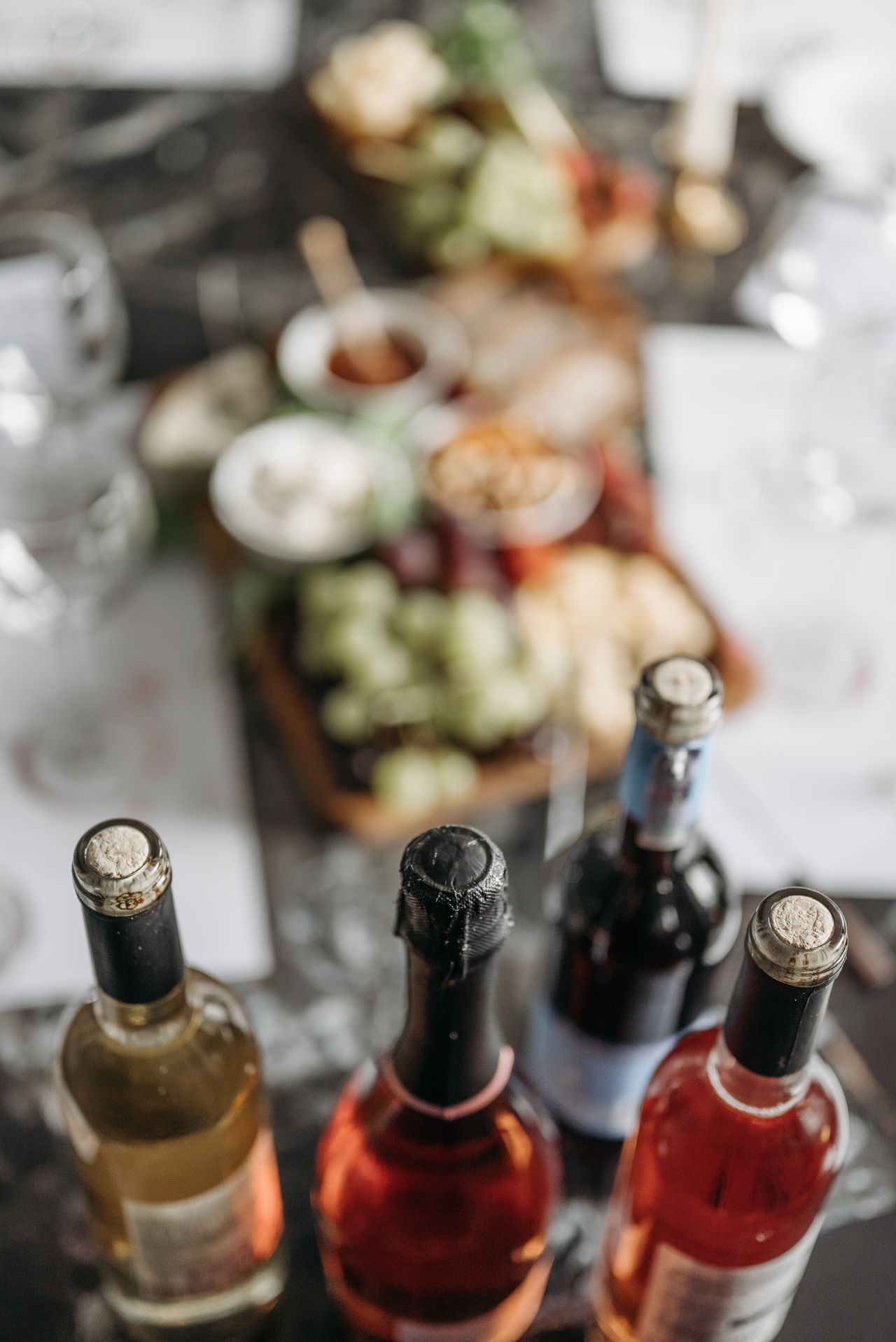
Wine is far more than a beverage accompaniment on a tasting menu — it is a living narrative thread that weaves through every course, amplifying flavors, bridging transitions, and transforming a meal into a fully orchestrated sensory experience. A thoughtfully curated wine pairing elevates the chef’s vision by creating dialogues between glass and plate: the bright acidity of a Burgundy cutting through a rich mushroom velouté, or the honeyed complexity of a late-harvest Riesling echoing the caramelized notes of a foie gras torchon. Wine introduces contrast, harmony, and surprise in equal measure — it can soften a dish’s heat, mirror its terroir, or challenge its sweetness in ways that make both elements more interesting than they would be alone. On a tasting menu, where each course is a deliberate statement, the wine list is the counter-argument, the affirmation, and sometimes the punchline — and in the hands of a skilled sommelier, it becomes the invisible architecture that holds the entire experience together.