by Debra Malota • Chef Francis • Private Dining
When most home bakers think about French pastry techniques, they picture croissants, éclairs, and macarons — beautiful, intimidating, and seemingly reserved for trained pâtissiers working in marble-countered Parisian kitchens. What the popular baking blogs rarely tell you is that the real magic of French pastry isn’t just in the recipes. It lives in a collection of quiet, almost instinctual habits that French pastry chefs learn early and guard closely.
These are the french pastry techniques passed down in professional kitchens — not in cooking classes designed for tourists, and not in the glossy recipe roundups that dominate food media. If you’ve ever wondered why your croissants don’t shatter the way they do at a proper boulangerie, or why your crème pâtissière always seems slightly off, the answers are almost always buried in the small things.
The French Never Rush Cold Butter — They Condition It
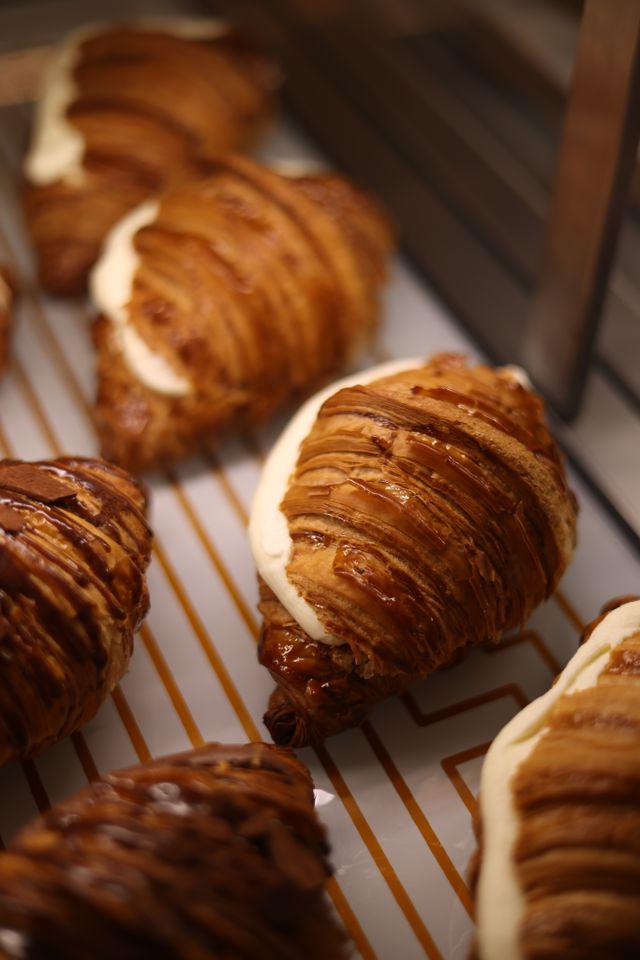
Every serious discussion of laminated dough mentions keeping butter cold. What most blogs about French pastry techniques skip is the French concept of beurre de tourage — a specific butter conditioning process where the butter is beaten with a rolling pin until it becomes pliable but still cold. The goal is a butter that bends without breaking and doesn’t shatter when you fold it into the dough.
French pastry chefs call this getting the butter to the same consistency as the dough itself — what they call plasticité. If your butter is too cold and rigid, it breaks through the dough layers during lamination. Too warm and it melts into the dough rather than forming distinct layers. The window is narrow, and French chefs develop a tactile instinct for it over years. Until you develop that instinct, aim for butter that flexes when you press it but leaves no grease on your fingers.
Crème Pâtissière Is Cooked Longer Than You Think
Almost every English-language recipe for pastry cream tells you to cook it until it thickens, then pull it immediately. French pastry chefs do the opposite — they keep cooking it for an additional 90 seconds to two full minutes after it reaches that first thick stage.
Why? Starch molecules in the flour or cornstarch continue breaking down under prolonged heat, which actually loosens the cream slightly and eliminates the raw, gluey starch flavor that plagues most homemade versions. The French call this cuire à fond — cooking to the bottom. The final product is silkier, cleaner in flavor, and sets more firmly when chilled. You’ll know you’re using the perfect French pastry techniques when the cream pulls cleanly away from the sides of the pan and the texture looks almost glossy.
The Real Purpose of Repos — Resting Is a Technical Step, Not a Suggestion
French pastry techniques treats resting time as an active part of the process, not downtime. The French word repos — rest — appears in professional recipes far more than in translated versions, and it carries real technical weight.
When dough rests, gluten strands relax, which prevents shrinkage during baking. When laminated dough rests between folds in the refrigerator, the butter re-firms and the gluten settles, allowing the next fold to be executed cleanly without tearing. French chefs will rest their croissant dough overnight in the refrigerator before the final proof — not out of convenience, but because the slow cold proof develops a complexity of flavor that a same-day proof never achieves.
For tart shells, French pâtissiers rest the lined tart rings in the freezer for a minimum of 30 minutes before blind baking. This locks the butter in the pastry into a solid state so the shell holds its shape perfectly during baking — eliminating the slumping sides that ruin so many homemade tarts.
Sugar Work Begins With a Completely Dry Pan
French confiseurs — sugar specialists — never add water to the pan first when making dry caramel. The technique of starting with dry sugar in a completely clean, dry pan and melting it gradually from the edges inward gives you far more control over color development and virtually eliminates crystallization.
The reason these French pastry techniques stay underground is that it looks terrifying to anyone trained on wet caramel methods. Dry caramel moves fast and smokes earlier. But French pastry chefs know that the moment you see the first wisps of smoke, you’re approximately 15 seconds from perfect amber. Swirl, don’t stir. Pull it off the heat just before it looks done — carryover heat finishes the job.
Mousse Is Folded in Three Additions, Not One
Every French pâtissier folds whipped cream or meringue into chocolate or fruit bases in three deliberate stages. The first addition is sacrificial — it’s folded in aggressively to lighten the base and bring it closer in density to the cream. The second addition is gentle. The third is barely touched, folded just until no white streaks remain.
Most home cooks dump everything in at once to avoid deflating the cream, which is exactly backward from the prescribed French pastry techniques used. The density mismatch between a cold, stiff chocolate ganache and light whipped cream means a single-addition fold creates streaks and uneven texture. The three-stage method is slower but produces a mousse with uniform texture and maximum volume.
The Finishing Touch: Le Nappage
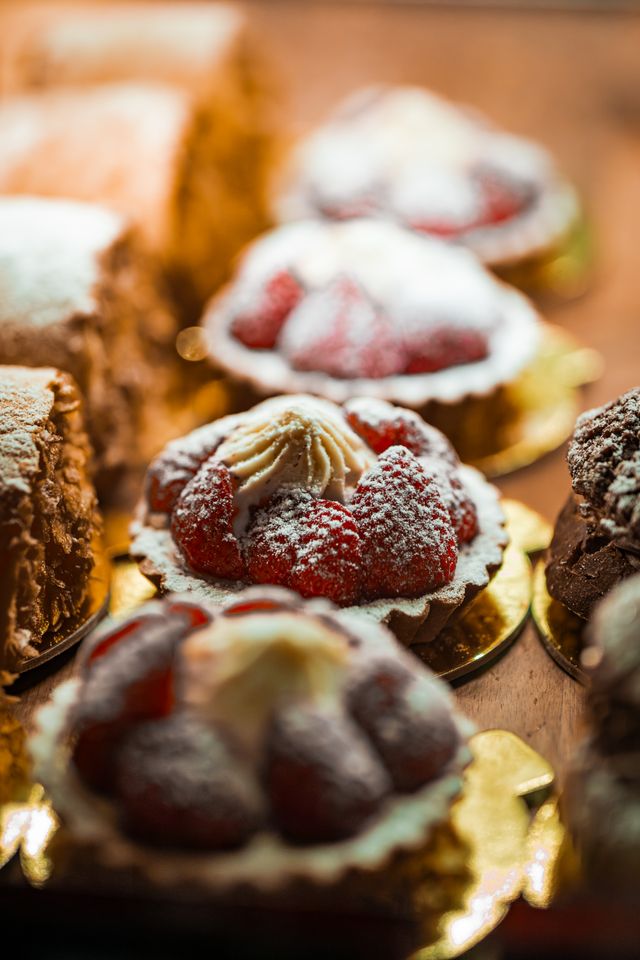
Walk into any serious French pastry shop and every fruit tart gleams with a transparent glaze. That gloss isn’t just decorative — it’s nappage, a neutral glaze brushed on warm to seal the fruit, prevent oxidation, and give the finished tart that unmistakable professional finish.
Most home bakers skip it or substitute apricot jam, which clouds and adds unwanted sweetness. True neutral nappage is nearly flavorless and sets with a glass-like finish. It’s available from professional pastry suppliers and increasingly from online retailers. Brush it on with a soft pastry brush in one confident pass — multiple strokes create streaks.
The Difference Is Always in the Details
French pastry techniques aren’t about secrets designed to exclude — they’re about a culture of precision that treats every step as meaningful. The conditioning of butter, the extra two minutes on the pastry cream, the three-stage fold — none of these are difficult. They’re just deliberate. And deliberate is exactly what separates a beautiful result from a merely good one.