When the temperature drops across France — from the frost-dusted vineyards of Burgundy to the snow-capped peaks of the French Alps — the country turns instinctively to the bowl. French cold weather soups are not afterthoughts or simple sustenance. They are deeply considered dishes with centuries of regional identity behind them, each one a reflection of the landscape, the climate, and the agricultural character of the place that produced it.
What sets French cold weather soups apart from the rest of the world’s cold weather cooking is the same quality that distinguishes all of French cuisine at its best — an insistence that simple ingredients, treated with patience and respect, produce something far greater than the sum of their parts. No shortcuts. No apologies for richness. And absolutely no skimping on time.
Here are seven of France’s most beloved cold weather soups, each with the story behind it and a straightforward recipe you can make in your own kitchen tonight.
7 Cold Weather Soups
1. Soupe à l’Oignon — French Onion Soup
No soup is more synonymous with French winter comfort than this one. What appears on the surface to be an almost embarrassingly simple dish — onions, broth, bread, cheese — becomes something transcendent when the onions are caramelized low and slow for the better part of an hour until they collapse into a deep, sweet, mahogany-colored mass that bears almost no resemblance to the raw ingredient you started with. The broiled Gruyère crust on top is not decoration. It is the point.
RECIPE:
Melt four tablespoons of butter in a heavy pot over medium-low heat. Add six large yellow onions, thinly sliced, and cook slowly for 45 to 60 minutes, stirring occasionally, until deeply caramelized. Add a splash of dry white wine or cognac and let it cook off. Pour in six cups of good beef broth, add a bay leaf and fresh thyme, and simmer for 20 minutes. Ladle into oven-safe bowls, top with a thick slice of toasted baguette, cover generously with grated Gruyère, and broil until bubbling and golden. Serve immediately.
2. Pot-au-Feu — Pot on the Fire
This is France’s most ancient cold weather soups dish and arguably its most honest. Pot-au-feu is essentially a long-simmered pot of beef and root vegetables — humble ingredients given extraordinary depth by hours of gentle cooking. It is so fundamental to French culinary identity that the great chef Escoffier called it the symbol of French domestic life. Traditionally served in two courses — the broth first, then the meat and vegetables — it is a meal that rewards patience completely.
RECIPE:
Place three pounds of beef chuck or short ribs in a large pot with cold water to cover. Bring to a boil, skim the surface, then reduce to a gentle simmer. Add two whole carrots, two turnips, two leeks, one onion studded with cloves, a bouquet garni of thyme, bay leaf and parsley, and salt. Simmer uncovered for two and a half to three hours. Remove the meat and vegetables, strain the broth and serve it first as a clear soup with toasted bread. Follow with the sliced meat and vegetables accompanied by Dijon mustard and coarse sea salt.
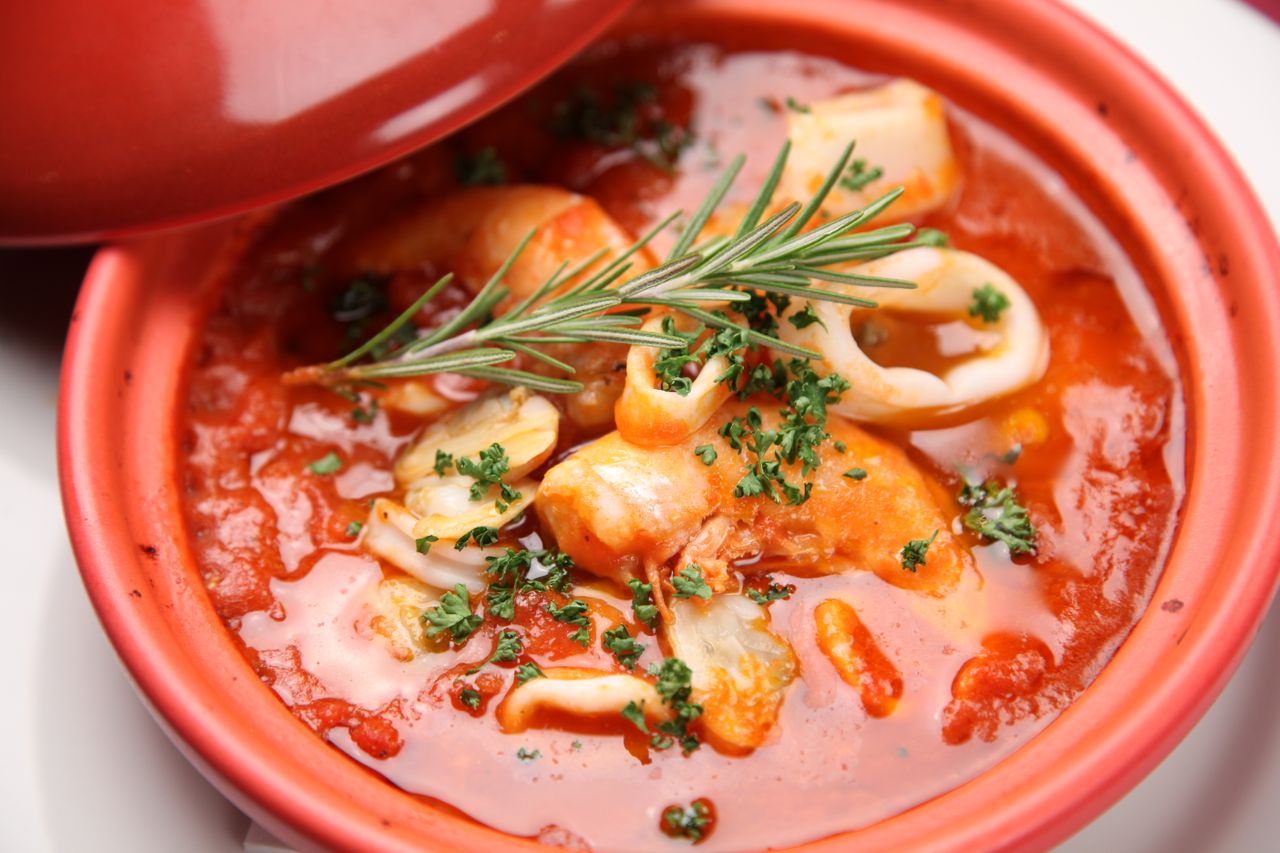
3. Bouillabaisse — The Fisherman’s Masterpiece
Originating in the port city of Marseille on the Mediterranean coast, bouillabaisse began as a practical solution — fishermen boiling up the unsellable catch of the day with whatever aromatics were at hand. What evolved over centuries is one of the most complex and debated cold weather soups in French culinary history, its authentic preparation the subject of fierce regional pride and occasional genuine argument. The saffron-laced broth alone is worth the effort.
RECIPE:
Sauté one chopped onion, two chopped tomatoes, four garlic cloves, and a fennel bulb in olive oil until softened. Add a generous pinch of saffron, one teaspoon of orange zest, a bay leaf, and fresh thyme. Pour in six cups of fish stock and bring to a boil. Add firm fish first — monkfish, sea bass — and cook five minutes, then add shellfish — mussels, shrimp, clams — and cook until opened and pink. Serve with toasted baguette slices spread with rouille, a garlicky saffron mayonnaise that melts into the broth and makes it extraordinary.
4. Vichyssoise — The Cold Soup With a Confused Identity
Here is one of French cuisine’s most entertaining secrets — Vichyssoise, widely considered a classic of French gastronomy, was almost certainly invented in New York. Chef Louis Diat created it at the Ritz-Carlton Hotel in Manhattan around 1917, inspired by a leek and potato soup his grandmother made in the French town of Vichy. He chilled it, added cream, and named it after her hometown. France adopted it so thoroughly that most people never question its origins. Cold, silky, and deeply elegant, it remains a winter staple for cold weather soups served both chilled and warm.
RECIPE:
Melt three tablespoons of butter in a pot and gently cook four sliced leeks — white and light green parts only — until completely soft, about 15 minutes. Add three peeled and diced potatoes and four cups of chicken broth. Simmer 25 minutes until potatoes are tender. Blend until perfectly smooth, then stir in one cup of heavy cream. Season with salt and white pepper. Serve warm in winter or refrigerate and serve cold garnished with fresh chives.
5. Garbure — The Forgotten Giant of Gascon Winter Cooking
From the Gascony region in southwestern France comes a soup so thick and substantial it barely qualifies as a soup at all — Garbure is closer to a stew, loaded with cabbage, beans, preserved duck confit, and whatever root vegetables the season provides. It is peasant food in the most complimentary sense of that phrase — built for people who worked outdoors in cold weather and needed serious fuel. The tradition of making a trou gascon — pouring a splash of red wine into the last of the broth and drinking it from the bowl — is regional custom and completely acceptable behavior.
RECIPE:
Soak one cup of dried white beans overnight and drain. In a large pot, combine the beans with six cups of water, two duck confit legs, one ham hock, and bring to a boil. Add one small cabbage quartered, three carrots, two turnips, three potatoes, and four garlic cloves. Season with thyme, bay leaf, and salt. Simmer covered for two hours until everything is completely tender. Remove duck legs, shred the meat and return it to the pot. Adjust seasoning and serve in deep bowls with crusty country bread.
6. Soupe au Pistou — Provence’s Answer to Minestrone
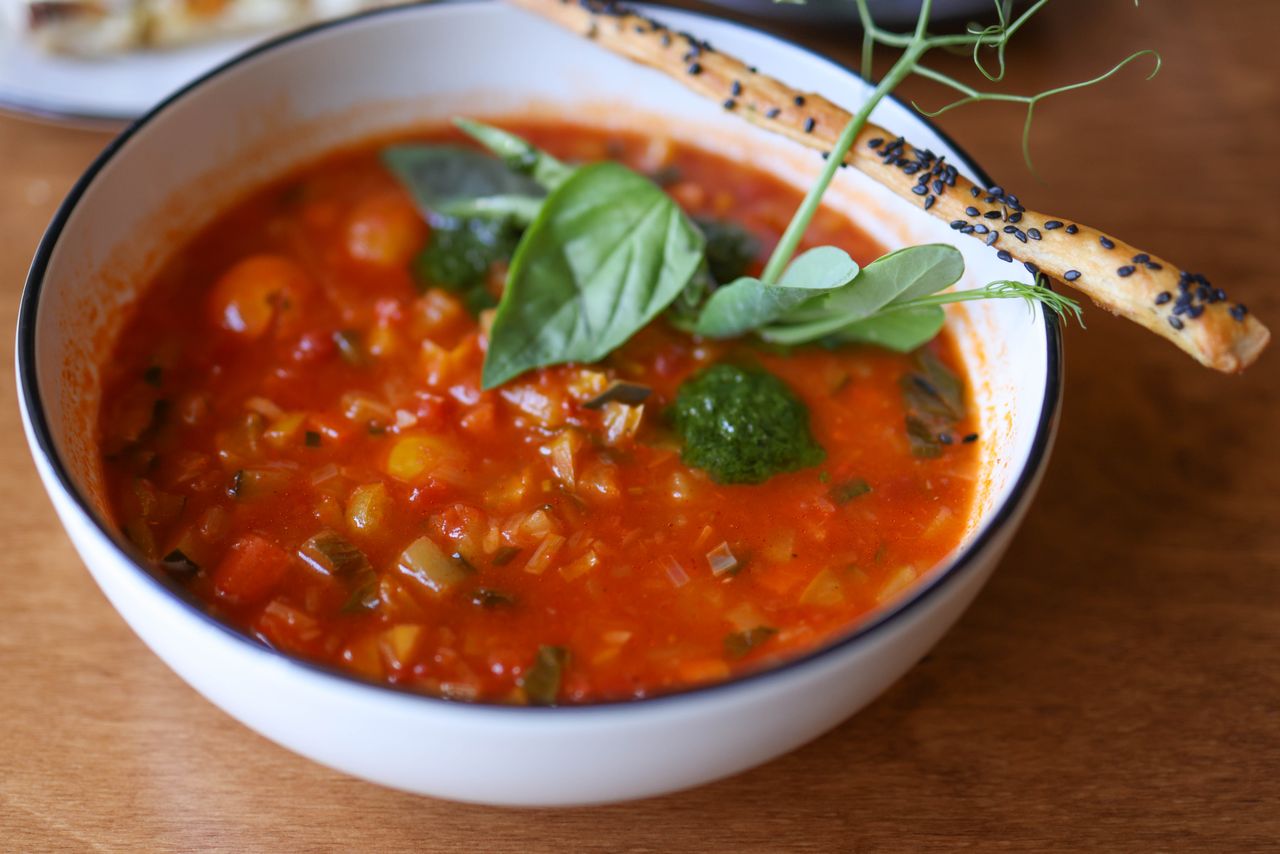
Provence in summer is lavender and rosé and bright tomatoes. Provence in winter is this soup — a hearty vegetable and bean broth finished with pistou, the Provençal cousin of Italian pesto made from fresh basil, garlic, and olive oil stirred in at the last moment. The pistou doesn’t cook. It hits the hot soup raw, releasing an explosion of basil fragrance that transforms what is already a deeply satisfying bowl into something that briefly makes you forget the temperature outside.
RECIPE:
Sauté one diced onion and two garlic cloves in olive oil until soft. Add two diced zucchini, two diced tomatoes, two carrots diced, and one cup of green beans cut into pieces. Pour in six cups of vegetable broth and one can of drained white beans. Simmer 30 minutes. Meanwhile make the pistou by blending two cups of fresh basil, three garlic cloves, and half a cup of olive oil into a rough paste. Stir the pistou into the soup just before serving and do not cook further. Finish with grated Parmesan.
The Larousse Gastronomique, considered the definitive encyclopedia of French culinary tradition, maintains a strong digital presence for anyone wishing to explore French regional cooking at greater depth: https://www.larousse.fr
7. Potage Parmentier — The Elegant Potato Soup
Named after Antoine-Augustin Parmentier, the 18th century French agronomist who famously championed the potato at a time when most of France considered it unfit for human consumption, this simple leek and potato soup is perhaps the most quietly perfect thing French home cooking has ever produced. No cream required — just good potatoes, good leeks, good broth, and enough butter to remind you that this is France.
RECIPE:
Melt three tablespoons of butter in a heavy pot over medium heat. Add three large leeks, white parts sliced, and cook gently for ten minutes without browning. Add four large peeled and cubed russet potatoes and five cups of chicken or vegetable broth. Bring to a simmer and cook 25 minutes until potatoes are completely tender. Mash roughly with a fork for a rustic texture or blend partially for something smoother. Finish with a generous knob of butter, salt, white pepper, and fresh chervil or flat-leaf parsley. Serve with nothing more than good bread and the understanding that simplicity, done correctly, needs no improvement.
France’s cold weather soups are a masterclass in the idea that cooking is not about complexity for its own sake — it is about understanding an ingredient so thoroughly that you know exactly how much heat and time it needs to become its best self. Every bowl on this list has been perfected over generations. They don’t need updating. They need making.