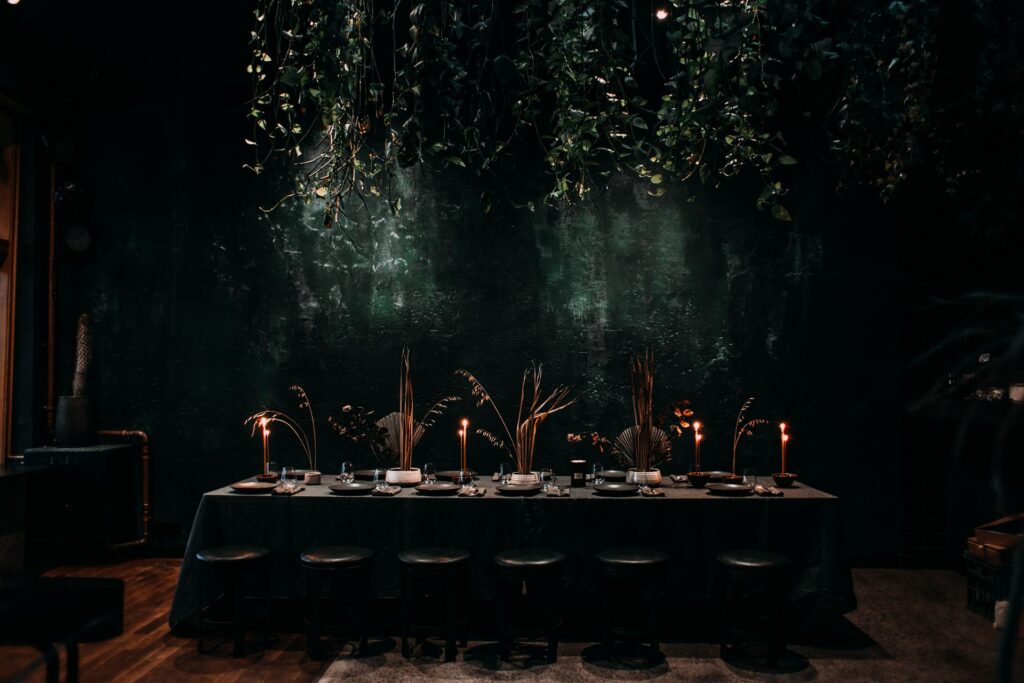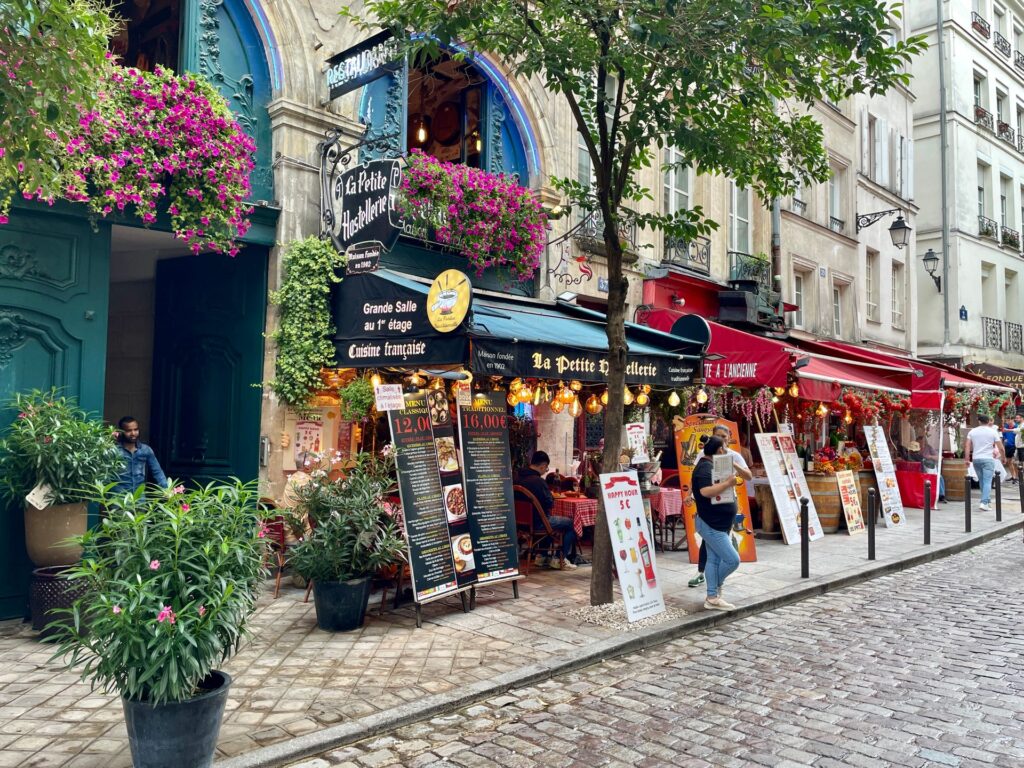
Paris does not have restaurants the way other cities have restaurants. It has an entire ecosystem of dining experiences, each with its own history, its own social function, its own unspoken rules, and its own very specific relationship with the people who inhabit it – Paris restaurant types. Walking into the wrong type of establishment with the wrong expectations is one of the most common mistakes a visitor to Paris makes — not because Parisians are unkind, but because each of these formats was designed for a particular purpose and performs that purpose with a specificity that can feel bewildering if you don’t understand what you’ve walked into.
Understanding the distinctions between Paris restaurant types is not merely useful travel preparation. It is an education in how a city has organized its relationship with food over several centuries — and why that relationship remains one of the most sophisticated and deeply considered on earth.
1. The Neighborhood Café
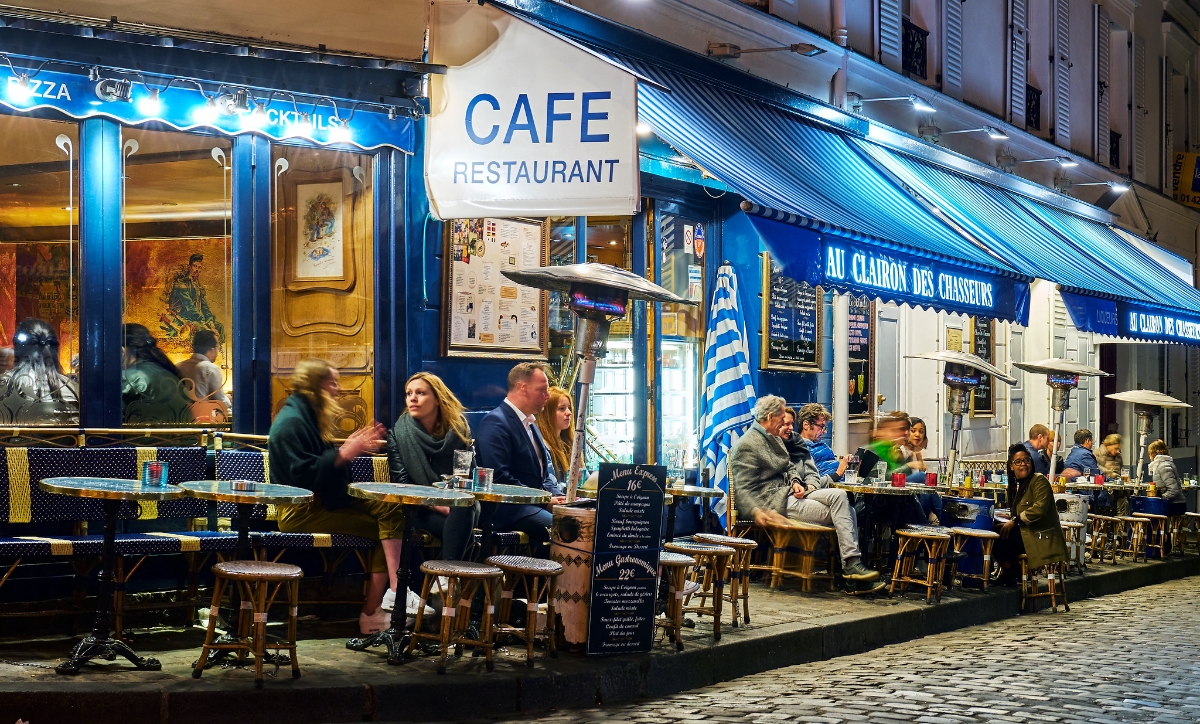
The Parisian café is not primarily a place to eat — it is a place to exist. Dating to the late 17th century when the first coffeehouses appeared in Paris, the café evolved into the social infrastructure of the city itself. Philosophers argued at Les Deux Magots. Revolutionaries plotted at the Café de Foy. Hemingway wrote at La Closerie des Lilas. The café was where Paris thought out loud.
Today the neighborhood café serves coffee, simple drinks, and a limited food menu — croque monsieurs, tartines, perhaps a plat du jour chalked on a board. But the real Paris restaurant types is something no menu can list: a chair, a small table on a pavement, and the implicit permission to sit for as long as you like watching the city move around you. Go for the coffee, the croissant, and the particular pleasure of belonging temporarily to a Parisian street corner.
2. Bouillons
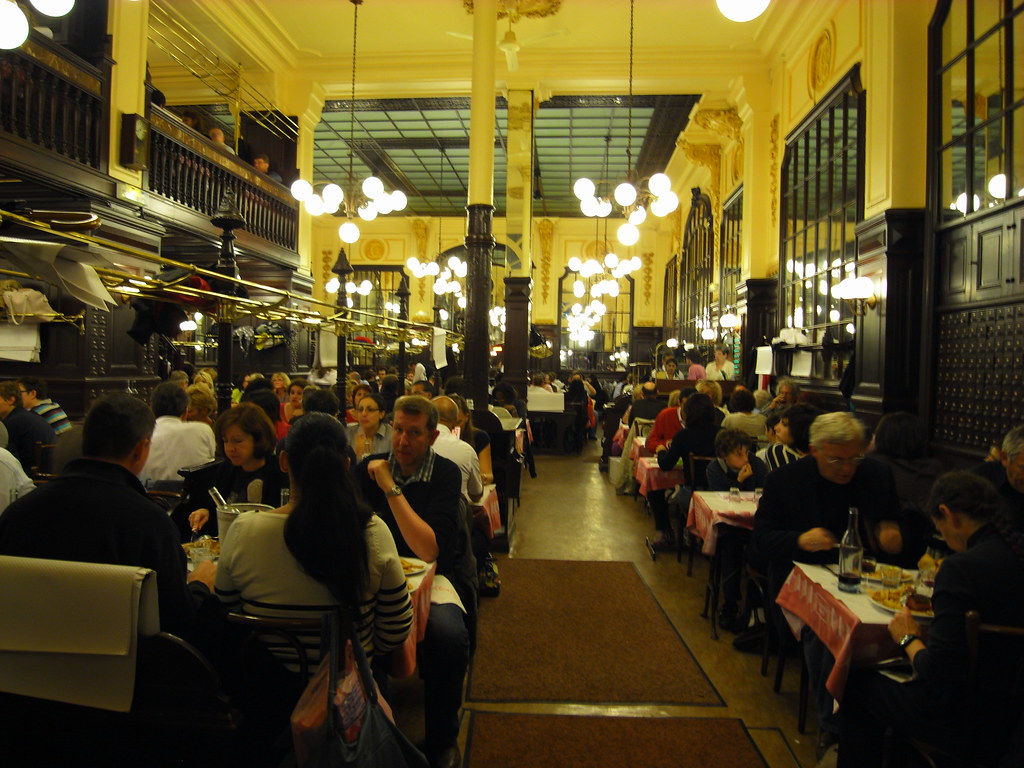
The bouillon is the Paris restaurant types great democratic dining institution and one of its most fascinating historical stories. Bouillons first appeared in the mid-19th century as affordable restaurants serving simple, nourishing food to the working population of a rapidly industrializing city — the word itself refers to the restorative broths that were their original specialty. At their peak in the early 20th century, dozens of bouillons operated across Paris, feeding thousands daily in grand, tiled dining rooms of considerable beauty.
Most closed as the century progressed and dining habits changed. But a handful survived, and in recent years the bouillon has experienced a remarkable revival — Bouillon Chartier, operating since 1896, remains one of the most visited restaurants in Paris. Go for the experience of eating well and cheaply in a room of extraordinary Belle Époque grandeur, surrounded by Parisians of every background doing exactly the same thing. The bouillon is Paris at its most genuinely egalitarian.
3. Crêperie
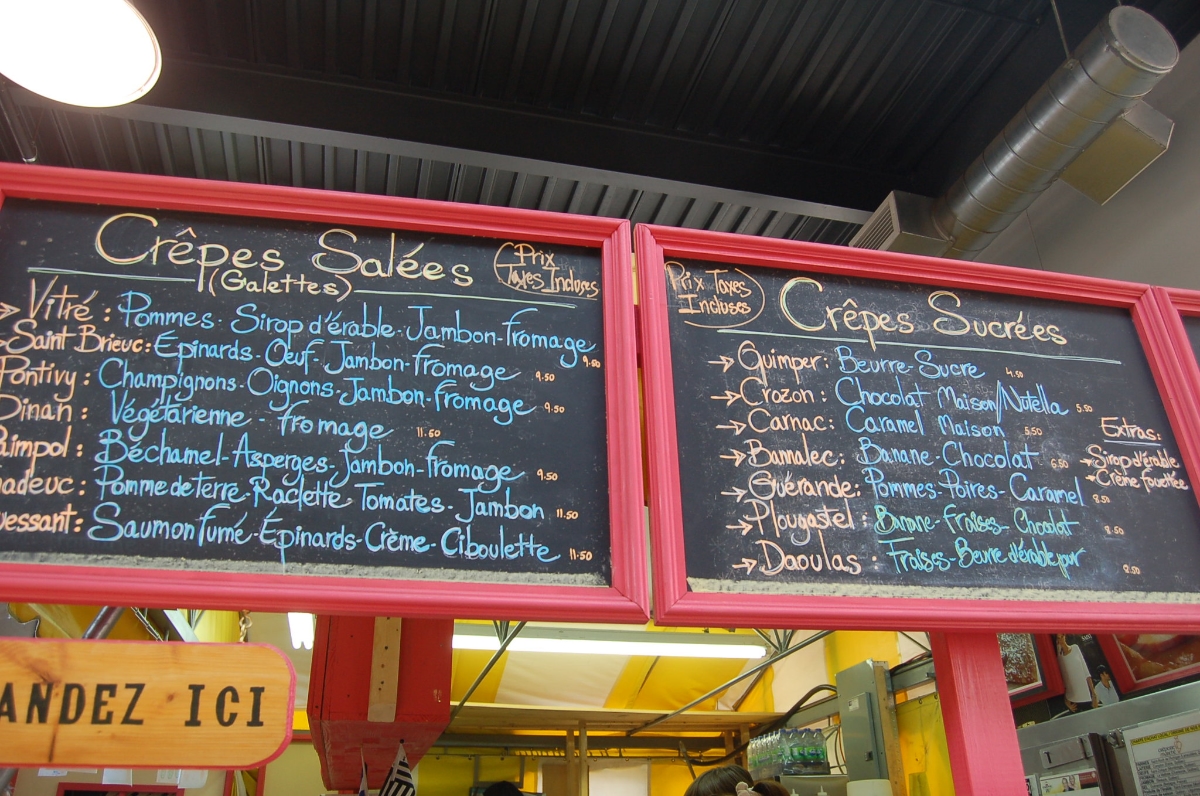
Originating in Brittany in northwestern France, the crêperie arrived in Paris with the wave of Breton migration to the city in the early 20th century and never left. The crêperie serves two things — sweet crêpes made from wheat flour and savory galettes made from buckwheat — and serves them with a focused simplicity that is deeply satisfying. The Montparnasse neighborhood remains the historic center of Parisian crêperies, a legacy of the Breton train station that deposited migrants into that quartier for decades.
Go for a galette complète — buckwheat pancake filled with ham, egg, and melted cheese — followed by a sweet crêpe with salted caramel butter, accompanied by a cold bowl of Breton hard cider. It is one of the most affordable Paris restaurant types and genuinely pleasurable meals Paris offers.
4. Bar à Vin
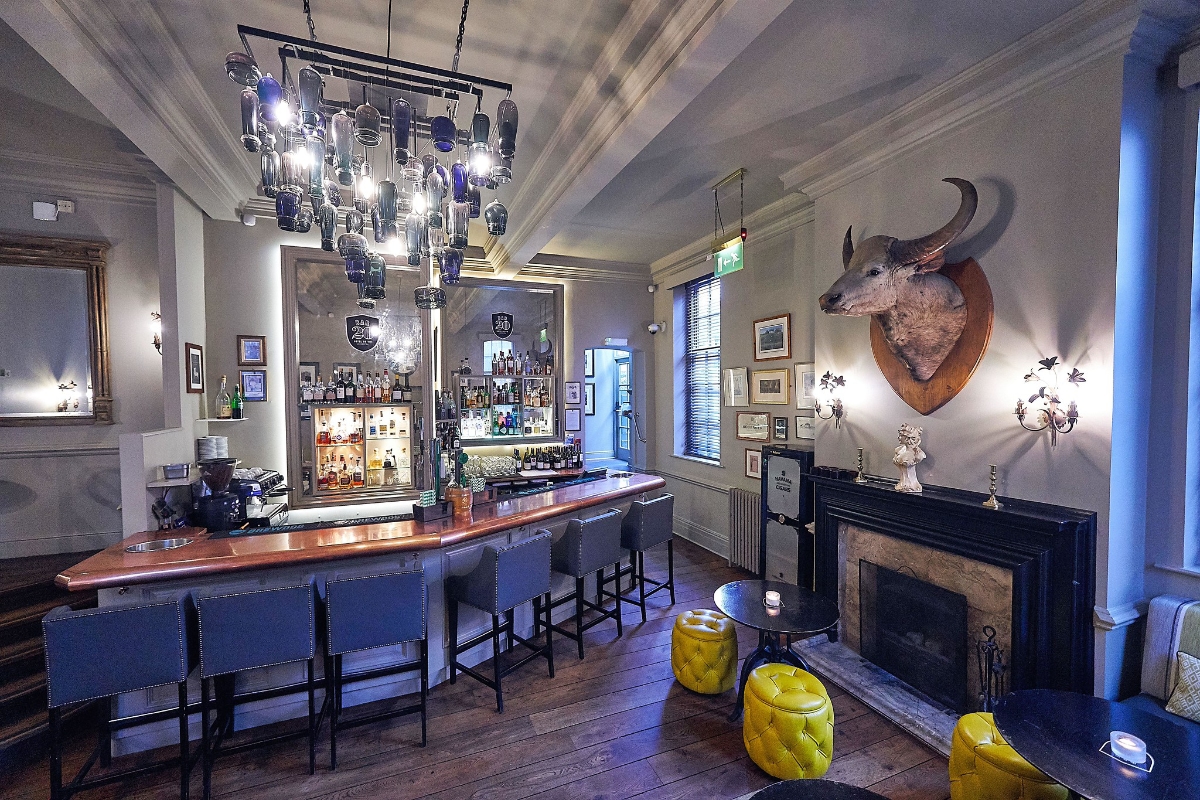
The wine bar — bar à vin — occupies a uniquely convivial space in the Parisian dining landscape. Focused primarily on natural and artisan wines, the modern Parisian bar à vin typically offers a small, carefully chosen food menu of charcuterie, cheese, and simple seasonal dishes designed to accompany rather than compete with the wine. The atmosphere is informal, the staff knowledgeable without being intimidating, and the experience of Paris restaurant types is fundamentally social.
Go when you want an evening built around discovery — new producers, unfamiliar regions, unexpected grape varieties explained by someone who genuinely loves what they’re pouring. The bar à vin is where Paris’s serious wine culture becomes accessible to anyone willing to ask a question.
5. Bistro
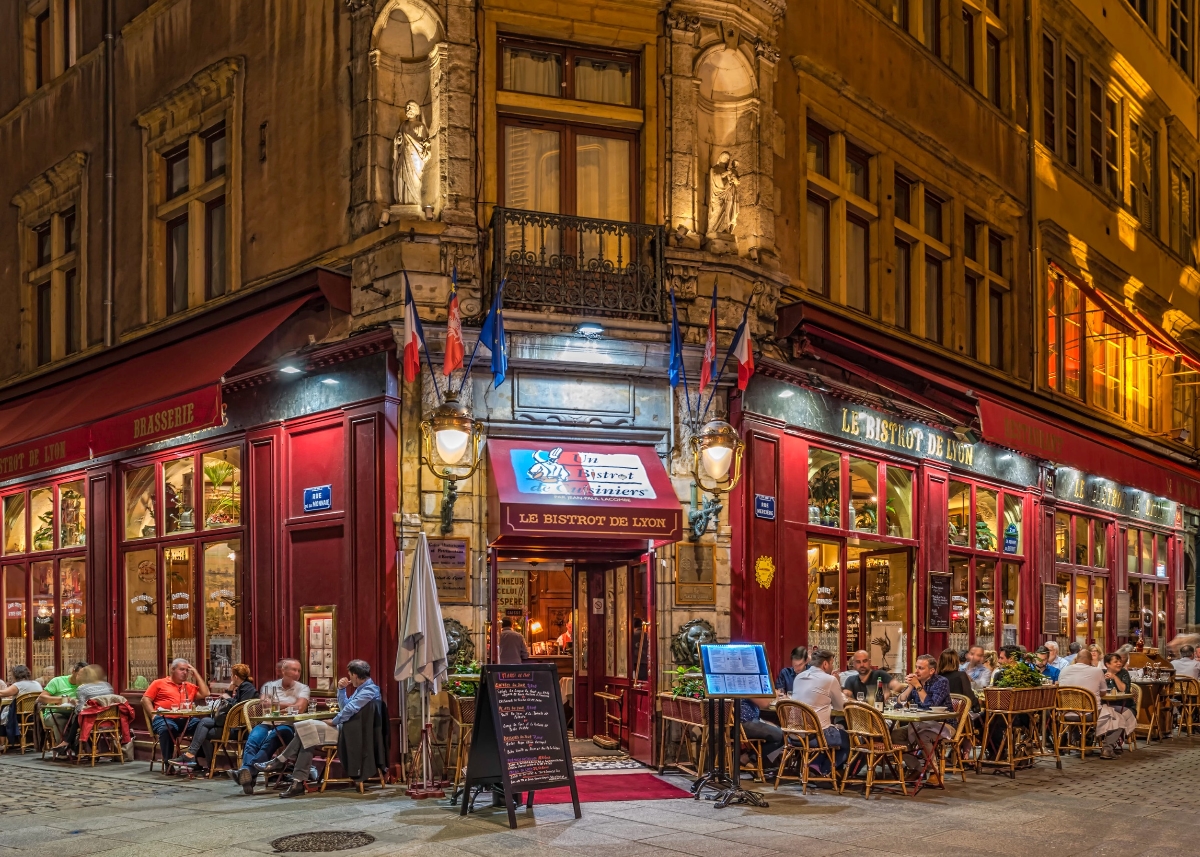
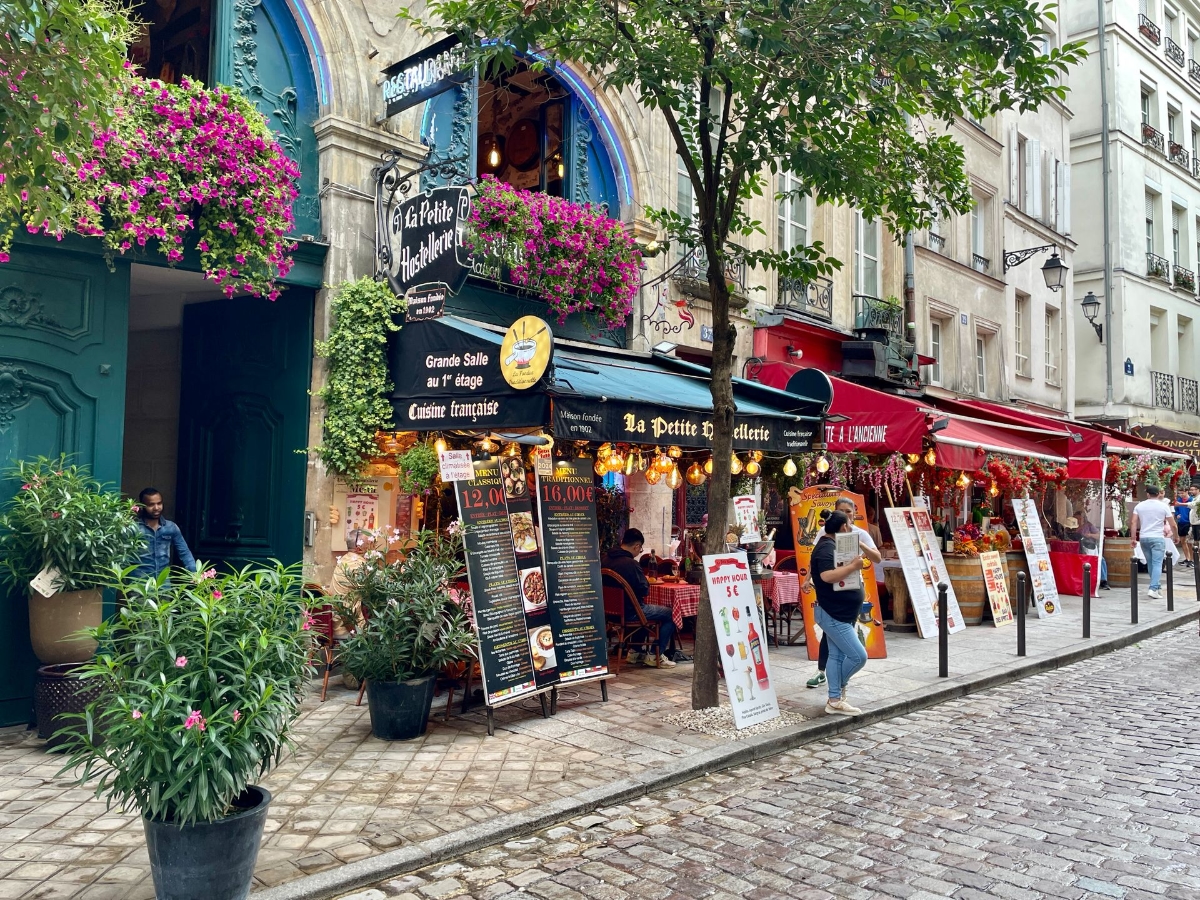
The bistro is perhaps the most romanticized of Paris restaurant types and, at its best, the most deeply satisfying. Its origins are debated — one persistent story traces the word to Russian soldiers occupying Paris in 1814 demanding quick service with cries of “bystro” — though historians treat this etymology with some skepticism. What is not debatable is what the bistro became: a neighborhood restaurant serving honest French cooking at reasonable prices in an atmosphere of relaxed conviviality.
Zinc bar, paper tablecloths, handwritten menus, steak frites, duck confit, tarte tatin — the bistro canon is familiar because it has been perfected over generations. Go for lunch on a Tuesday when the dining room fills with locals and the plat du jour is whatever was freshest at the market that morning. That is the bistro at its irreplaceable best.
For an authoritative and beautifully maintained resource on Parisian dining culture, restaurant history, Paris restaurant types and neighborhood food guides, the team at Eater Paris offers some of the most current and trustworthy coverage available: https://www.eater.com/paris
6. Bistronomique
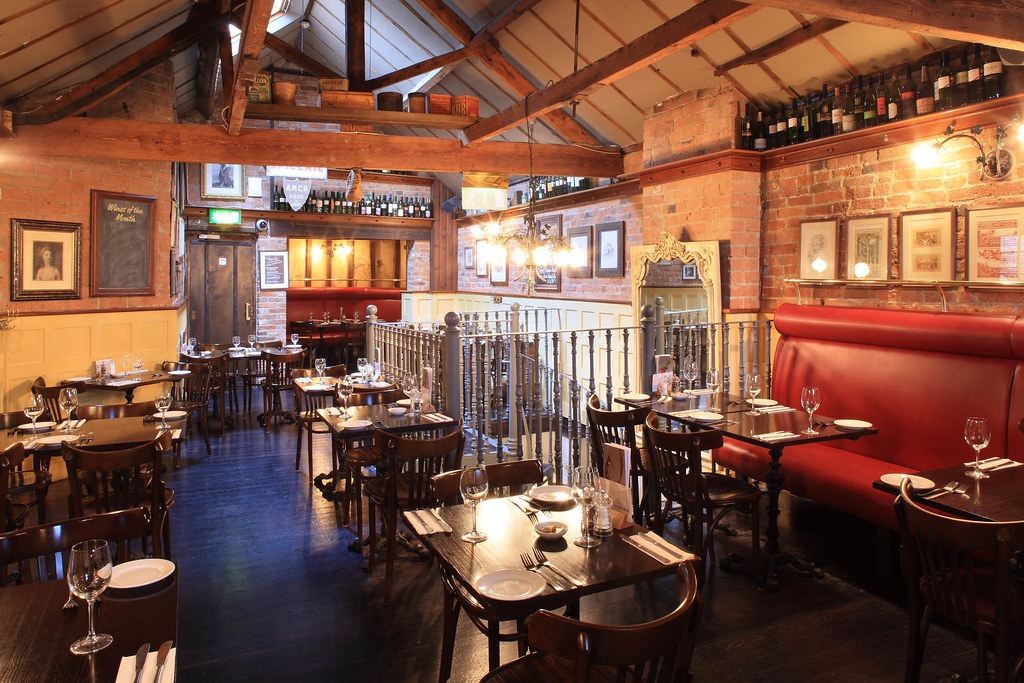
The bistronomique emerged in Paris in the late 1990s and early 2000s as a direct and deliberate response to the perceived rigidity of French haute cuisine. Young chefs — many of them trained in Michelin-starred kitchens — began opening relaxed, informally decorated restaurants where the food was technically ambitious and creatively sophisticated but the atmosphere was unbuttoned, the prices were reasonable, and the experience felt alive rather than ceremonial.
The bistronomique essentially democratized fine dining technique, bringing the precision and creativity of the gastronomique kitchen into rooms where you could wear what you wanted and order à la carte without requiring a special occasion as justification. Go when you want food that surprises and challenges without the formality that can sometimes make a great meal feel like an examination.
7. Gastronomique
At the summit of the Parisian dining pyramid sits the restaurant gastronomique — the full expression of French haute cuisine in all its technical brilliance, ceremonial service, and extraordinary expense. These are the establishments that define France’s global culinary reputation, the rooms where Michelin stars are earned and defended, where tasting menus unfold over three hours and a dozen courses, and where every element of the experience from the bread service to the mignardises with coffee has been considered with an almost philosophical intensity.
The gastronomique is not an everyday experience — nor is it intended to be. It is a special journey in the fullest Michelin sense of that phrase, an occasion that justifies planning, saving, and dressing for. Go once, properly, with someone whose company makes the investment worthwhile. The best of these restaurants produce experiences that genuinely recalibrate your understanding of what food can be and mean.
8. The Michelin Guide's official Paris listings
The Michelin Guide’s official Paris listings remain the most authoritative reference for navigating the gastronomique landscape and identifying which establishments are currently performing at the highest level: https://guide.michelin.com/en/ile-de-france/paris/restaurants
Paris rewards the visitor who arrives with some understanding of what each of these formats offers and why. The city did not develop seven distinct types of dining establishment by accident — each one evolved to serve a specific human need, from the simple comfort of a coffee and a chair on a pavement to the transcendent complexity of a three-star tasting menu. Knowing which room you’re walking into, and why, makes every meal in Paris better before you’ve taken a single bite.