

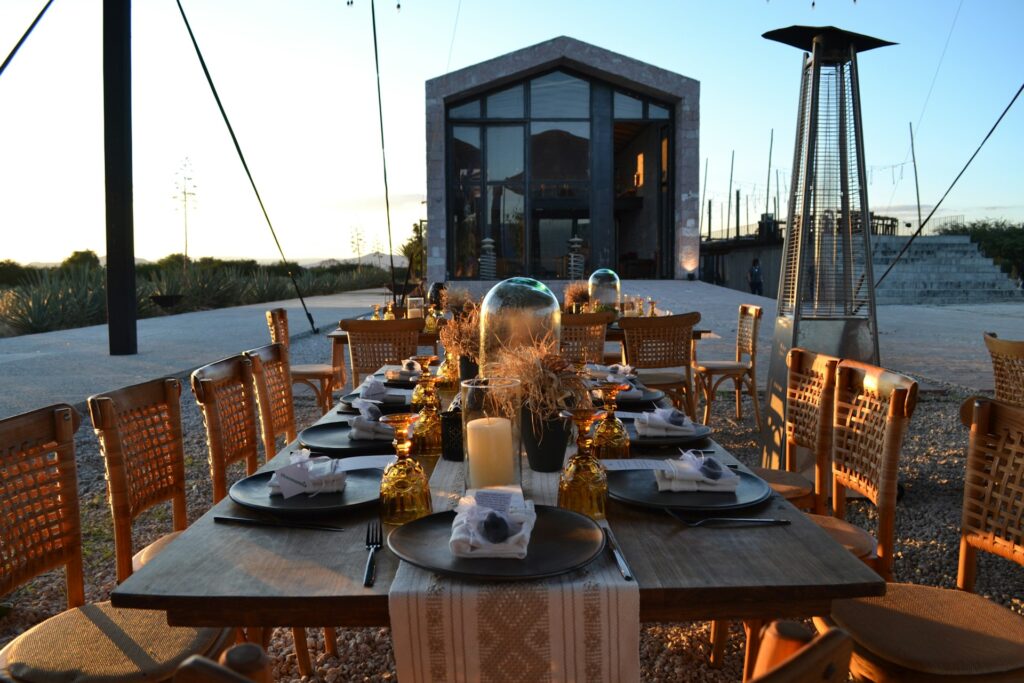
The farmers, fishmongers, and fromageries who make every plate possible — and why that work is worth every penny when it comes to farm to table private dining.
Before a single scallop is seared or a terrine of foie gras is sliced, before the lobster ravioli is folded or the calamari hits the grill, Chef Francis is already hours deep into his other full-time job: the relentless, unglamorous, and deeply necessary work of sourcing for your Farm to Table Private Dining experience.
Most diners never see this part. They arrive at the table and encounter something that feels effortless — a plate of precision and beauty that seems to materialize from thin air. What they don’t see is the Tuesday morning call to a small family farm in Bucks County, Pennsylvania, to confirm that the heirloom carrots are ready. Or the Wednesday pre-dawn drive to the Hudson Valley to meet a fishmonger who unloads his day boat catch while the sky is still purple. Or the months-long relationship- building that finally convinced a small-batch New Jersey dairy to reserve a wheel of aged cheese for the kitchen each week.
This is the hidden infrastructure of artisan ingredient sourcing, and Chef Francis has built his entire culinary philosophy around it.
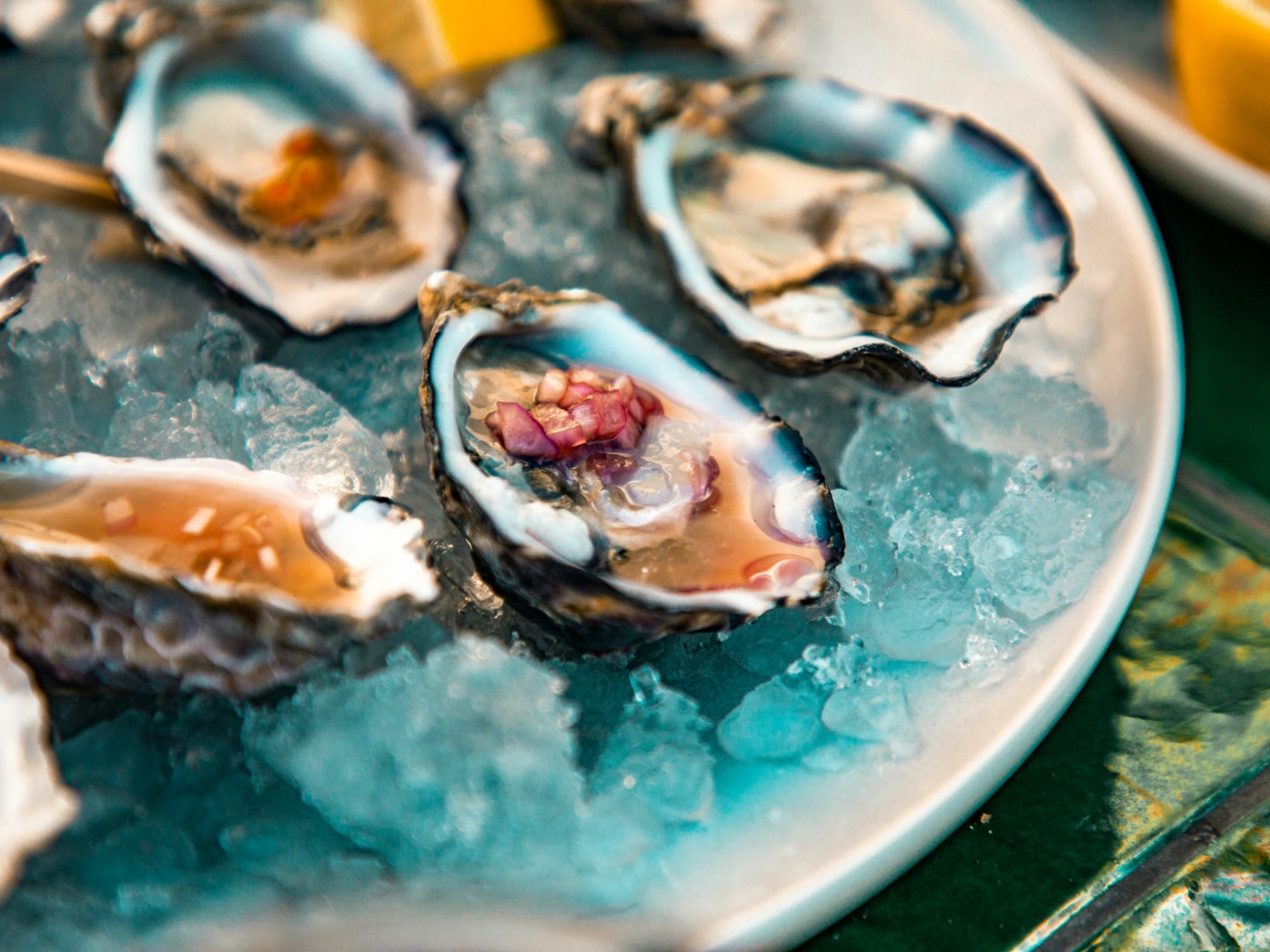
The Terroir at the Table
There is a French concept — terroir — that wine lovers know well. It refers to the way a place, its soil, its climate, its particular light, leaves an imprint on what grows there. Terroir cooking extends that same idea to the plate: the belief that ingredients carry the fingerprint of their origin, and that the chef’s job is to honor — not obscure — that identity.
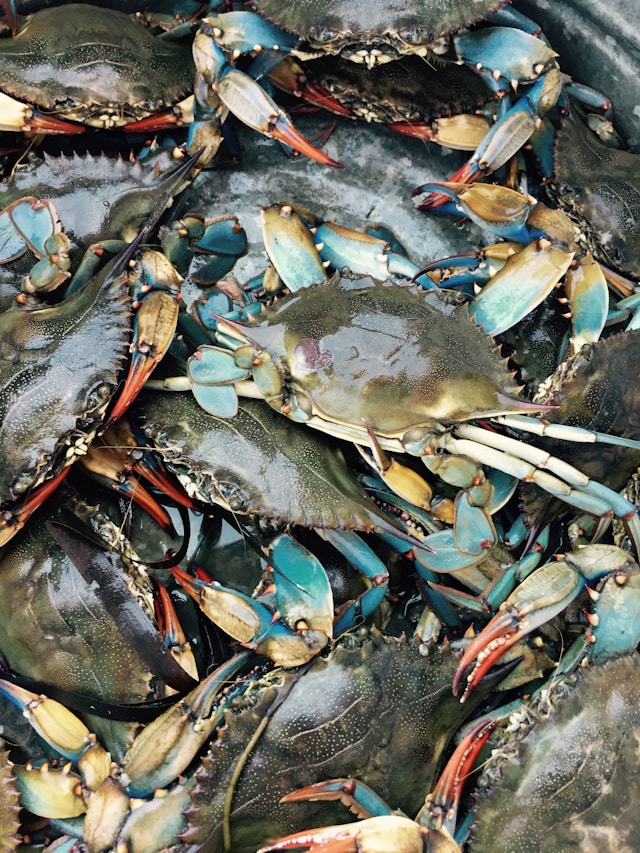
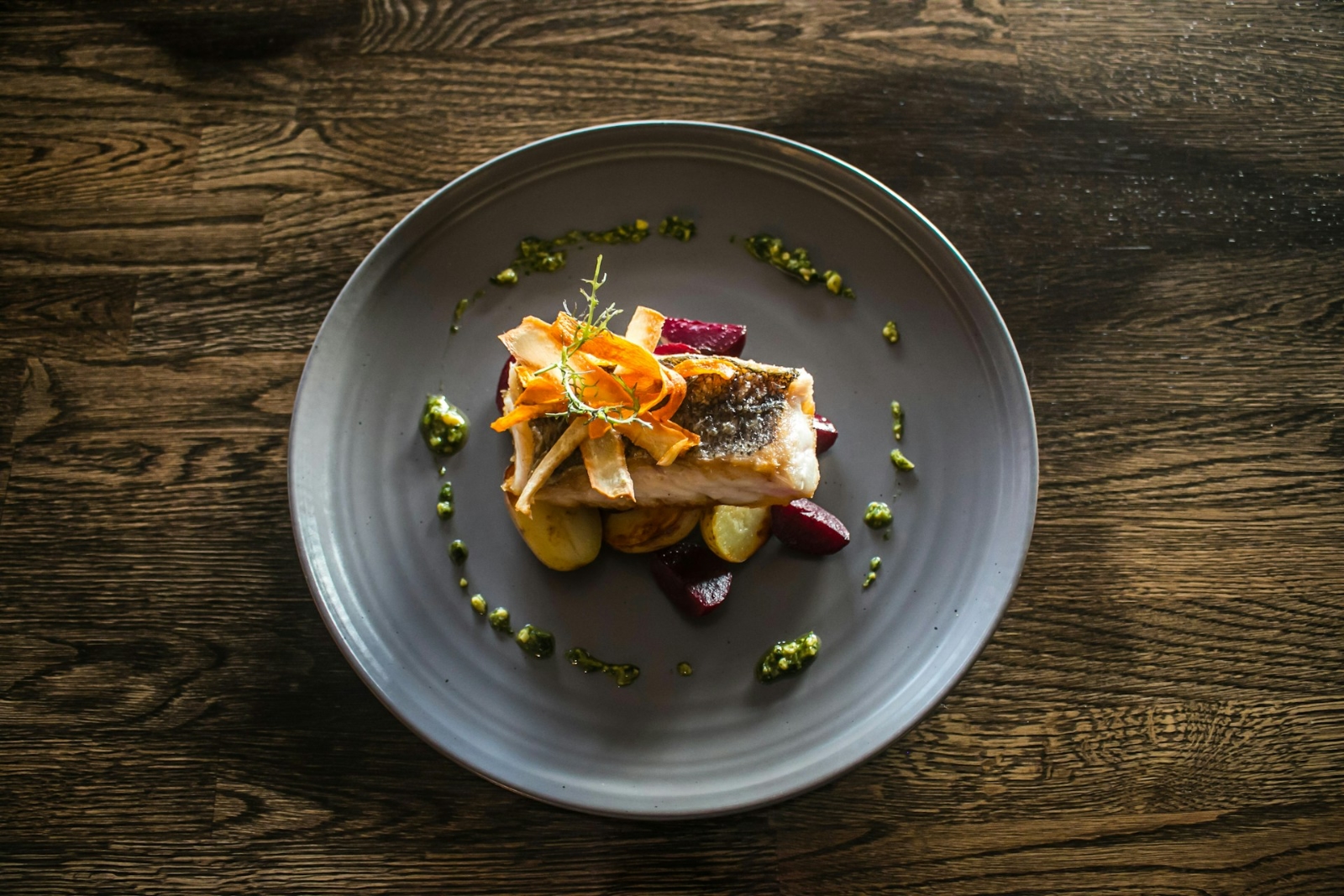
For Chef Francis, this isn’t a marketing phrase to use for Farm to Table Private Dining. It’s an organizing principle. The salmon in his celebrated Salmon Crab Napoleon didn’t come from a warehouse distributor. It came from a specific supplier with a specific sourcing relationship along the Atlantic corridor, caught within a tight seasonal window when the flesh is richest in natural fat and color. The crab beside it was sourced from a fishmonger he has worked with for years — a man who knows that Chef Francis will turn away a delivery if the quality is a single degree off.
That kind of relationship is not built overnight. It requires showing up, paying fairly, keeping commitments, and earning trust on both sides. It is, in a very real sense, a form of farm to table French discipline applied to the entire supply chain — from field and sea to the mise en place.
Seasonal Salads, Seasonal Standards
Walk into any great fine dining kitchen in the NY/NJ/PA tri-state region and you’ll hear the same refrain from chefs who take local produce fine dining seriously: the season tells you what to cook, not the other way around.
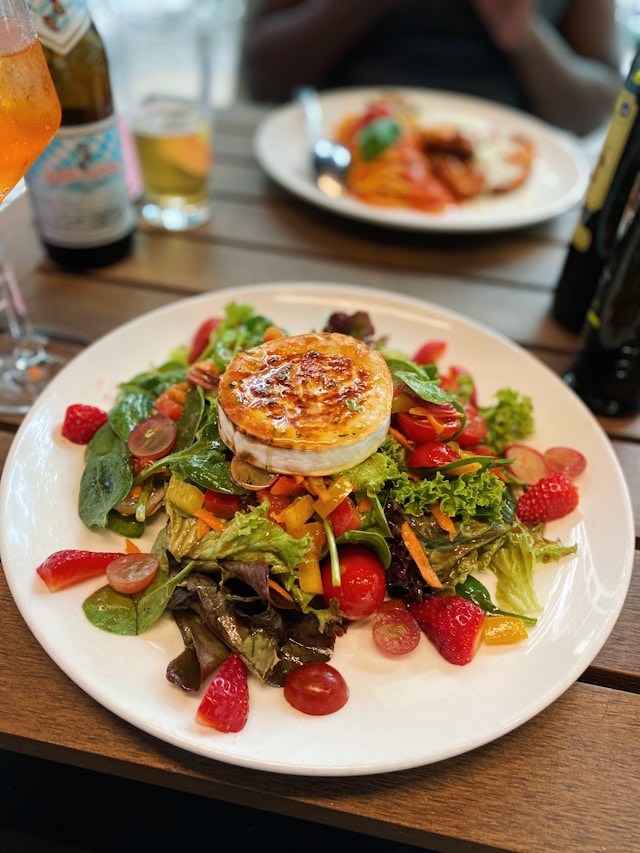
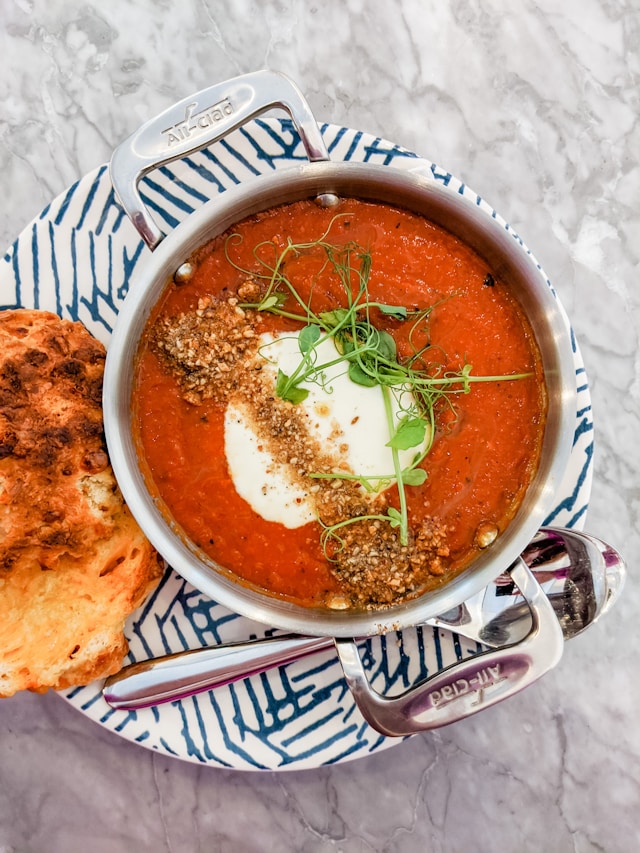
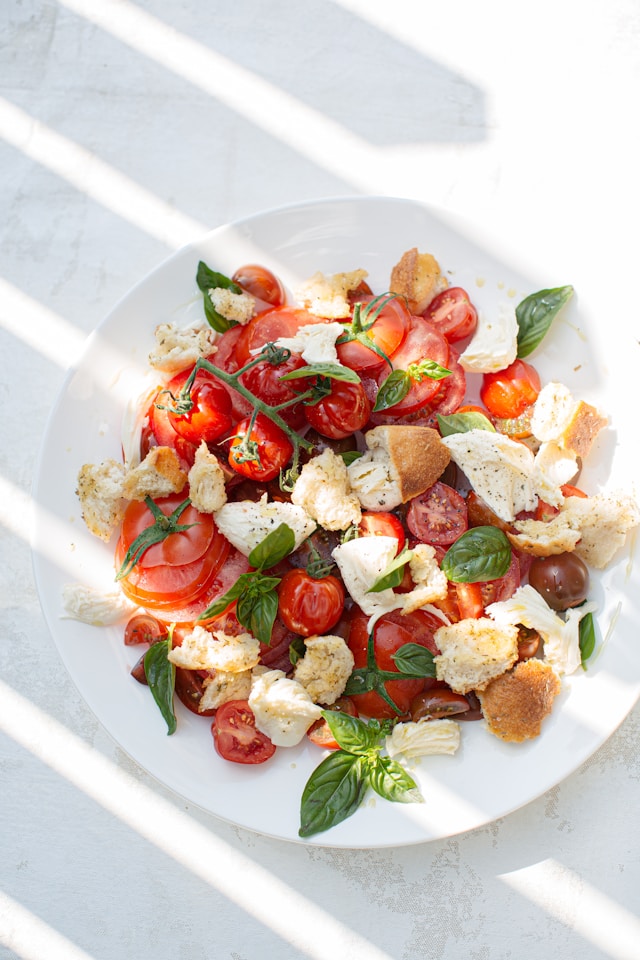
Chef Francis’s seasonal salads and seasonal vegetable compositions change not because it’s trendy to do so, but because the ingredients demand it. The micro-greens sourced from small-scale growers in New Jersey’s farmland corridor have a sweetness in early spring that disappears by summer. The heirloom beets that accompany a composed plate in October are nothing like what’s available in July. The carrot cake on the dessert menu — a dish that many guests underestimate — is built around carrots that are sourced with the same rigor as every other ingredient in the kitchen.
Finding these producers requires visits. Tastings. Conversations about soil amendments, irrigation schedules, and harvest timing. A chef who sources this way is not placing an order — they are engaging in an ongoing dialogue with the land itself.
The Fishmonger and the Fromagerie
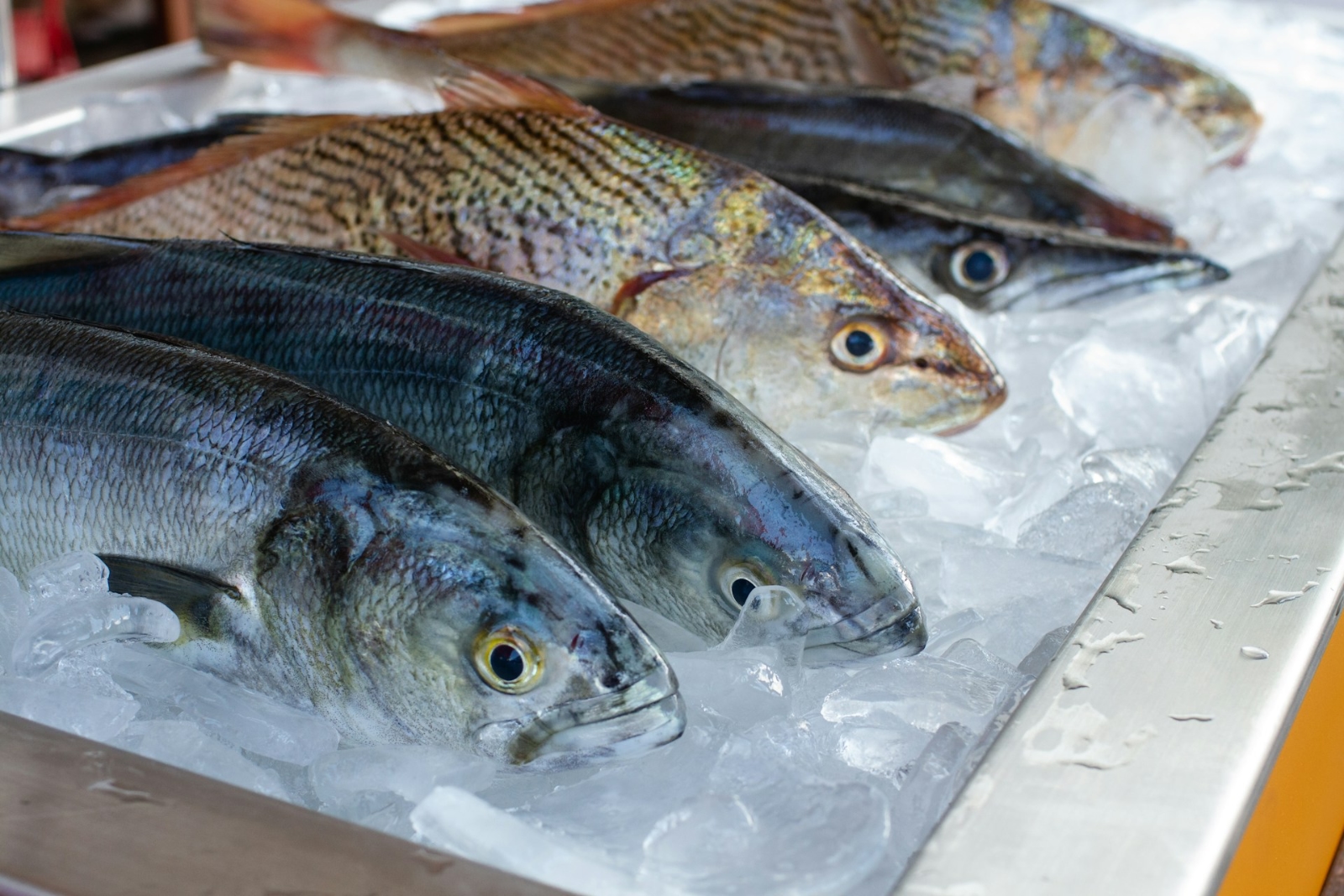
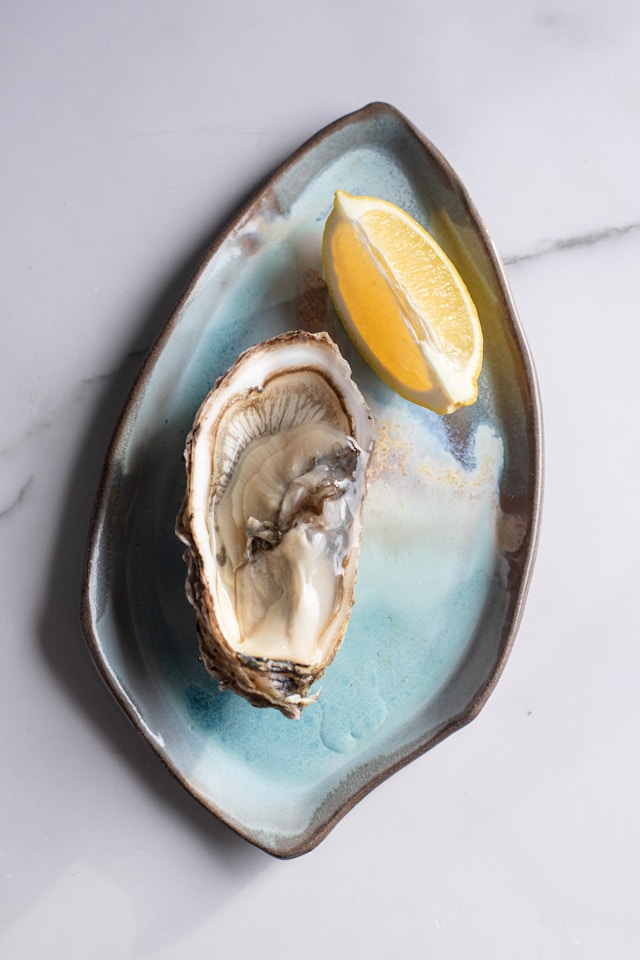
Chef Francis’s relationship with his seafood purveyors is among the most demanding of all his sourcing partnerships. The grilled calamari, the open Viking Village scallops, the salmon-stuffed crab, the open lobster ravioli — these are dishes where there is nowhere to hide. The quality of the ingredient is the dish.
The open Viking Village scallops in particular require extraordinary supplier relationships. These are dry-packed, diver-harvested scallops — sourced without chemical preservatives or water-loading — which means they caramelize properly in the pan and carry the clean, oceanic sweetness that makes the dish sing. Finding a fishmonger who handles them correctly, and building the trust to be prioritized in their allocation, takes time and consistency that no app or distributor portal can replicate.
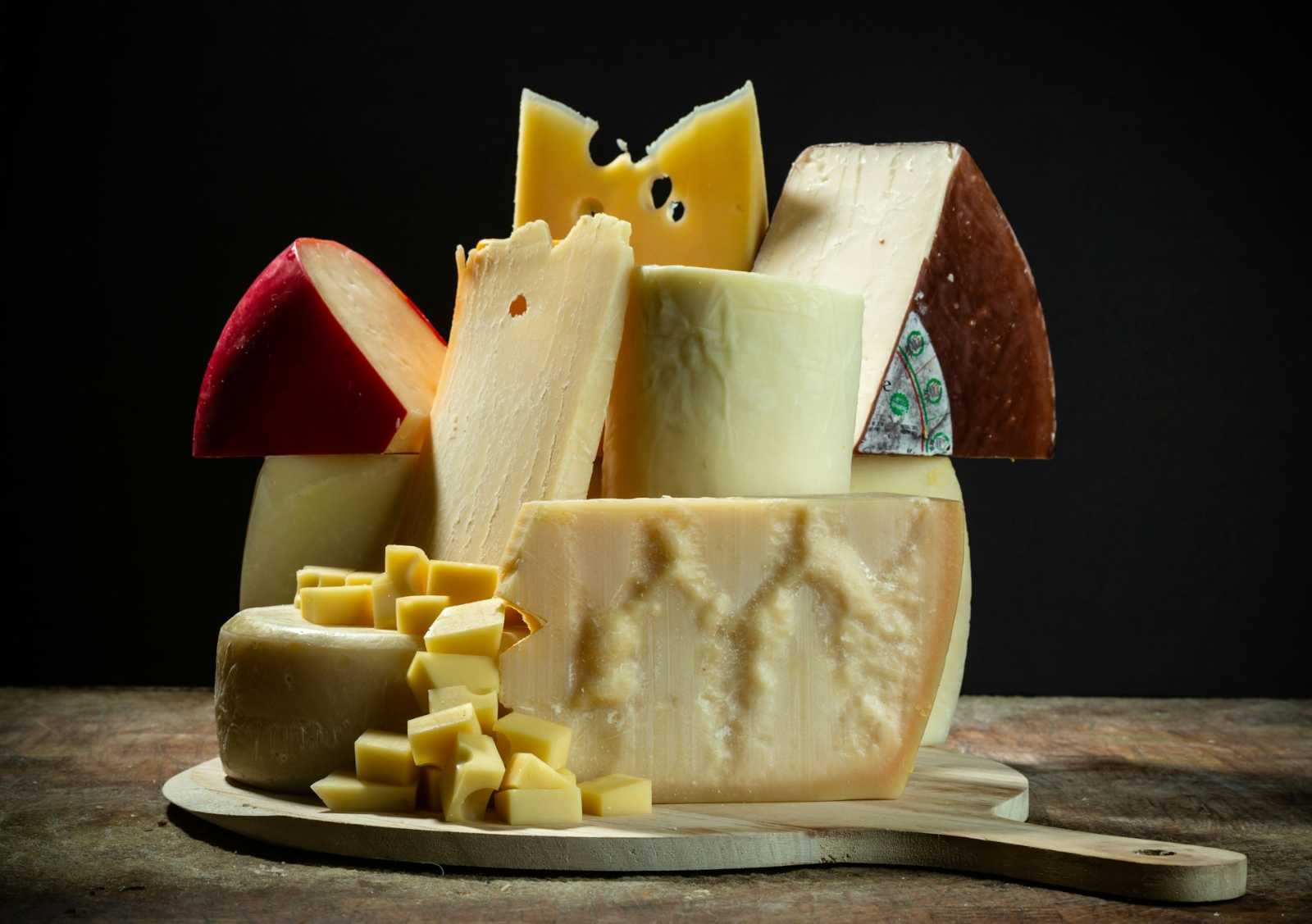
The same is true at the fromagerie level. For dishes requiring aged and crafted cheeses, Chef Francis works directly with small producers whose yields are limited and whose calendars don’t wait. Getting a reserved allocation means being a reliable partner, season after season.
Why It Costs What It Costs
Premium sourcing is expensive. The relationships take years. The quality standards mean higher rejection rates. The logistics of working with small producers instead of large distributors adds layers of coordination that most kitchens never bother with.
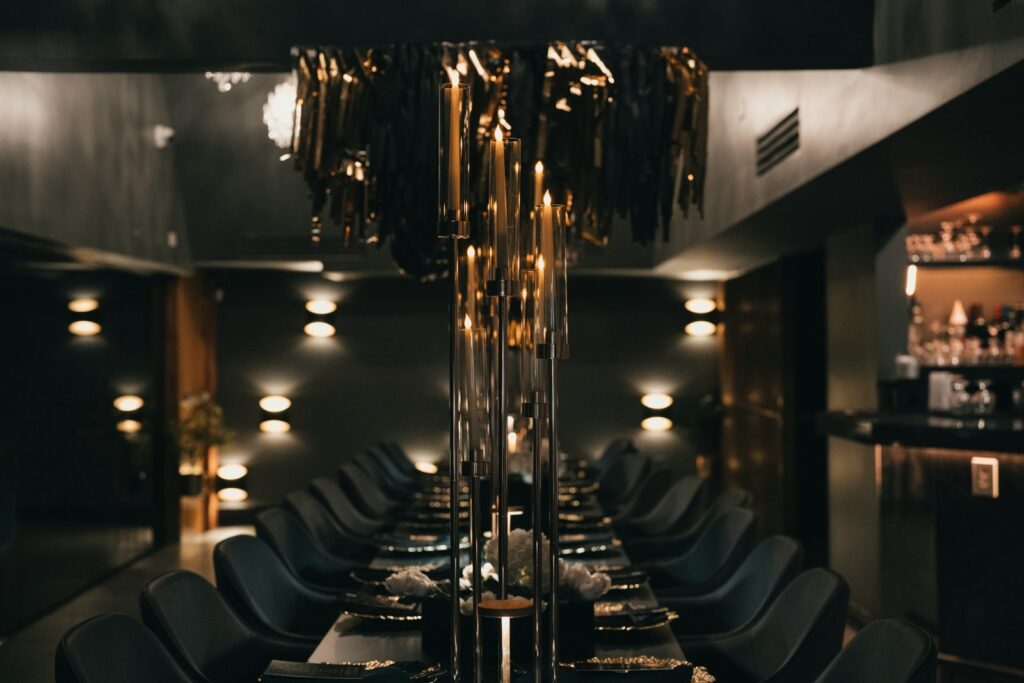
But what arrives at the Farm to Table Private Dining experience is because of all that work; something a shortcut cannot produce: food that carries the soul of its origin. That is what Chef Francis offers — not just a meal, but a full expression of place, season, and the quiet craftsmanship of every farmer, fisher, and artisan in his network.
The table is the last stop on a very long journey. And it shows.
glossary
The culinary term for squid, prized in Mediterranean and French-influenced kitchens for its delicate, slightly sweet flavor. It can be grilled, sautéed, or fried and requires careful timing to stay tender rather than rubbery.
Crustaceans harvested from coastal Atlantic waters, valued in fine dining for their sweet, briny meat. Blue crab and stone crab are among the most prized varieties along the NY/NJ/PA coastline.
In the context of artisan sourcing, dairy refers to small-batch milk, cream, and cheese produced by independent farms using traditional methods. Quality dairy is foundational to classical French cuisine, from butter-based sauces to aged cheese compositions required for Farm to Table Private Dining.
Small fishing vessels that depart and return within a single day, delivering catch that never sits in ice for extended periods. Day boat seafood is considered superior in freshness and flavor to fish held aboard larger industrial vessels for days at a time.
A digital ordering platform used by restaurants to purchase food and beverage products through large-scale wholesale suppliers. Fine dining kitchens committed to artisan sourcing often bypass these in favor of direct relationships with small producers.
Scallops hand-collected by underwater divers rather than dragged up by commercial trawl nets, resulting in minimal damage to the shellfish and the surrounding seabed. They are typically dry-packed without chemical additives, giving them a clean, natural sweetness and the ability to sear properly.
Specialist seafood merchants who source, age, and sell fish and shellfish, often maintaining direct relationships with fishermen and regional docks. A trusted fishmonger is one of a fine dining chef’s most essential sourcing partners.
The fattened liver of a duck or goose, considered one of the most prized delicacies in classical French cuisine. It has a rich, buttery texture and is typically served as a terrine, torchon, or lightly seared escalope.
Specialty cheese shops or producers dedicated to the aging, curation, and sale of fine cheeses. In the French culinary tradition, a skilled fromager serves as both craftsman and curator, guiding chefs toward the right cheese at exactly the right stage of ripeness.
A term applied to plant varieties that have been preserved across generations for their superior flavor, rather than bred for industrial yield or shelf life. Heirloom vegetables and fruits are central to farm-to-table cooking because they reflect the biodiversity and character of their growing region.
A foundational French culinary term meaning “everything in its place,” referring to the preparation and organization of all ingredients before cooking begins. It is both a physical practice and a philosophy of precision that defines professional kitchen discipline.
A must for Farm to Table Private Dining. The deliberate practice of procuring the highest-quality ingredients through direct, relationship-driven partnerships with farmers, fishermen, and artisan producers. It prioritizes flavor, integrity, and provenance over price and convenience.
A rich, fatty cold-water fish prized in fine dining for its versatility, depth of flavor, and nutritional density. Wild-caught Atlantic and Pacific varieties are preferred by quality-focused chefs for their superior texture and natural color.
Specialized suppliers who bridge the gap between fishing boats and professional kitchens, ensuring that seafood is handled, stored, and delivered at peak quality. The best purveyors operate as partners, alerting chefs to exceptional catches and seasonal availability.
Referring to ingredients grown, harvested, or caught during their natural peak window, when flavor, nutrition, and quality are at their highest. Cooking seasonally is both an ethical commitment and a culinary one — nature’s calendar, not the market’s inventory, sets the menu.
A French charcuterie preparation in which meat, fish, or vegetables are layered and pressed into a loaf-shaped mold, then chilled until firm and sliced for service. The terrine is one of the oldest and most technically refined forms in classical French cuisine.
A French concept originating in winemaking that describes the way a specific geography — its soil, climate, elevation, and light — imprints itself on what grows there. In terroir cooking, the chef’s role is to honor that sense of place rather than engineer it away. The Earth creates the ultimate Farm to Table Private Dining Experience.



This article is so nicely put together. The entire blog.
Thank you Anabel..I am happy to hear you enjoyed the article and our blogs. It is kind of you to let us know..any thoughts for future blogs? Any ideas or items you would like me to write about?
You can send me a response here or email…
Much appreciated! Francis