How to Make Mousse au Chocolat
⏱ 12 min active
❄ 30 min chill
3 ingredients
Serves 4–6
Three ingredients. No baking. No special equipment. And yet mousse au chocolat — the definitive French chocolate mousse — is one of the most elegant things you can place in front of a dinner guest. This is how the French have made it for generations.
The French have a gift for making something extraordinary from almost nothing. A handful of eggs, a bar of good dark chocolate, and a pinch of salt — this is all that stands between you and one of the most celebrated desserts in the Parisian culinary canon. Chocolate mousse in its purest, most traditional form contains no cream, no butter, no flour. Just eggs and chocolate, transformed by technique into something impossibly light and intense at the same time.
It appears on bistro menus across Paris served in small, unpretentious white ramekins, usually with nothing alongside it at all. That confidence is earned — the chocolate mousse speaks entirely for itself. At home, the technique takes roughly twelve minutes of active work. The refrigerator does the rest. It is, in the very best sense, a dessert that rewards you far beyond the effort you invest.
12
Min active
3
core ingredients
70%
Minimum cacao
~$3
Per Serving
The Philosophy of a Three-Ingredient Dessert
When a recipe has only three ingredients, there is nowhere to hide. Every element must be the best you can afford, and the technique must be precise. The chocolate carries the entire flavor profile of this dessert — its bitterness, its depth, its finish. The eggs provide both structure (from the yolks, which enrich the chocolate base) and lift (from the whites, which are whipped to a glossy meringue and folded in). Salt is not optional — it is the element that makes the chocolate taste more like itself.
The French tradition does not use cream in the base chocolate mousse, and once you taste a version made without it, you will understand why. Cream adds richness but muffles intensity. The egg-white technique produces an airy, almost weightless texture while allowing the chocolate flavor to remain sharp, clean, and completely uncompromised.
"In French cooking, restraint is not a limitation — it is a philosophy. Chocolate mousse exists to prove that the fewer ingredients you use, the more each one has to say."
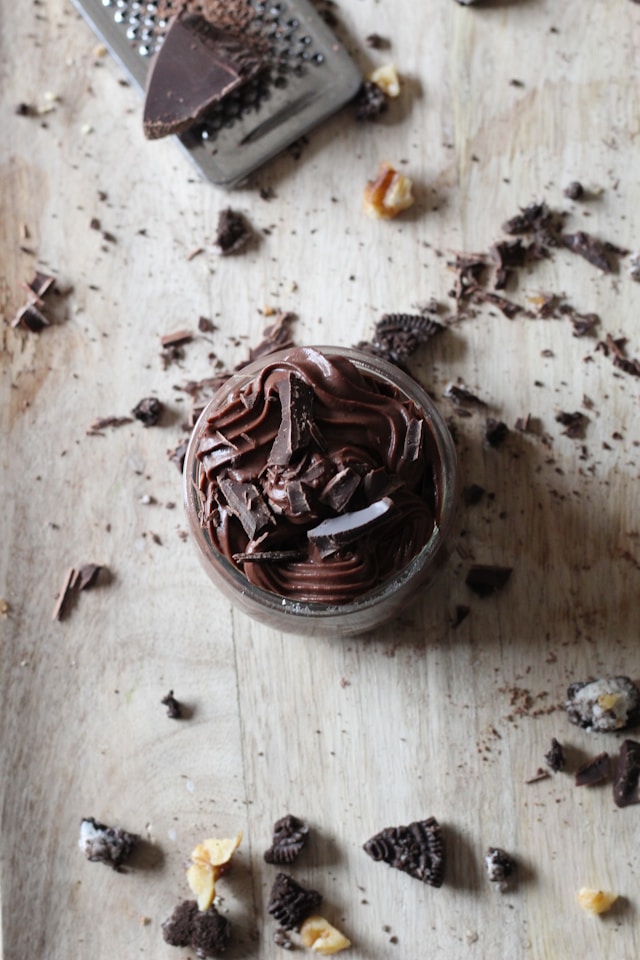
Choosing Your Chocolate Chocolate Mousse
This is the single most important decision you will make for this recipe. The finished chocolate mousse will taste almost exactly like the chocolate you begin with — there is no masking, no mellowing, no transformation. Buy the best dark chocolate you can find, with a minimum of 70% cacao. Lower percentages will produce a mousse that is sweeter but shallower in flavor.
70%
The accessible choice
Rich, balanced bitterness with a smooth finish. Ideal for guests who prefer a less intense chocolate experience.
75–80%
The sweet spot
Deep, complex, with pronounced fruit and earthy notes. The preferred range for serious chocolate lovers.
85–90%
The purist's pick
Intense and bold. Requires slightly more sugar to balance. For those who want the full, uncompromising experience.
Seek out single-origin bars from makers with transparent sourcing — Valrhona’s Guanaja or Caraïbe bars are the professional pastry kitchen standard and widely available. Lindt Excellence 70% is an excellent and accessible supermarket option. Avoid chips or baking chocolate designed for cookies — they contain stabilizers that affect how the chocolate melts and emulsifies.
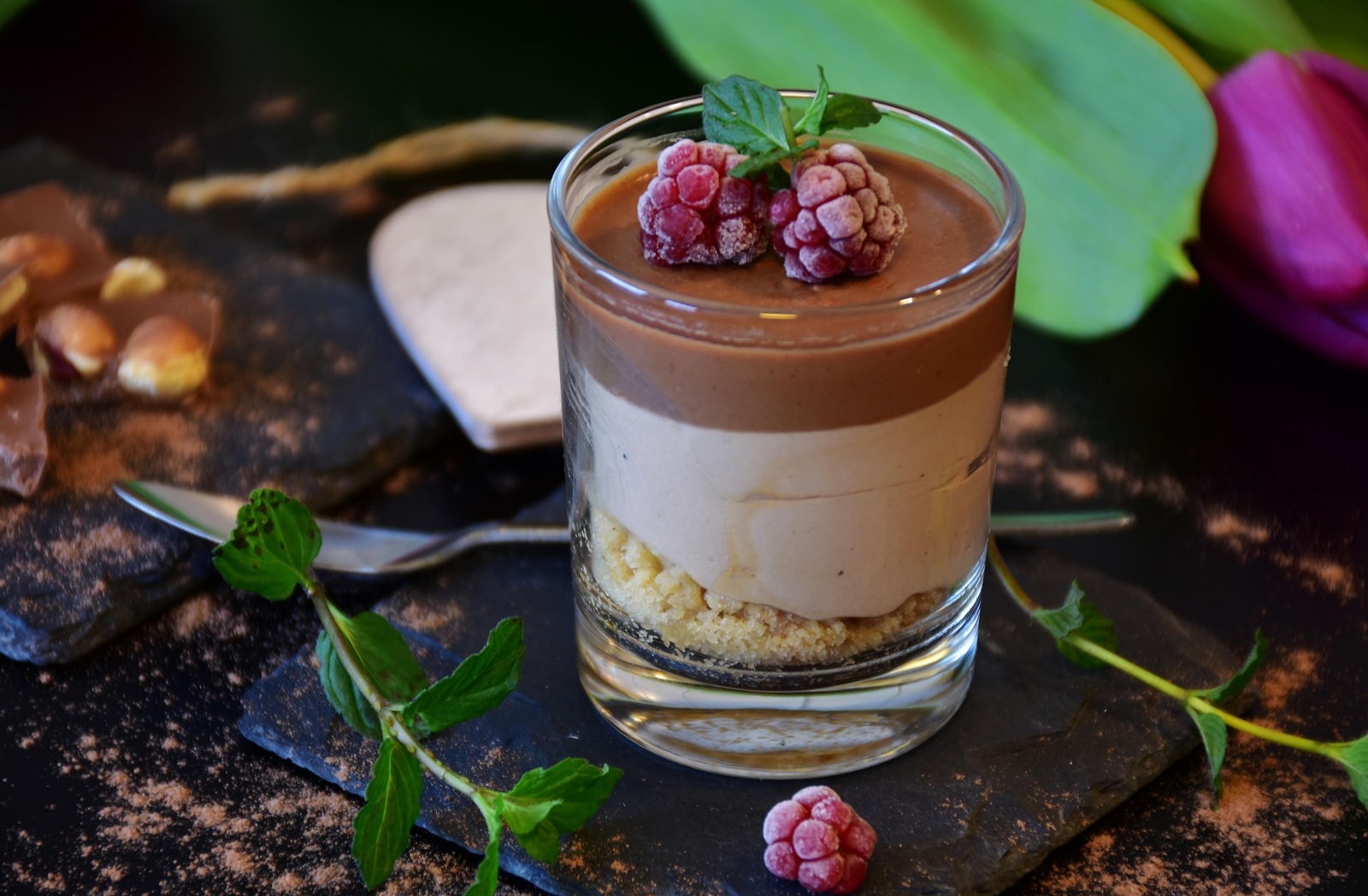
ingredients
The Classic Three-Ingredient Version
Dark chocolate, 70% cacao or higher, chopped | 200g / 7oz
Eggs, large, separated (room temperature) | 4 whole eggs
Fine sea salt or fleur de sel | 1 generous pinch
Optional Flavor Additions (choose one)
Cognac, dark rum, or Grand Marnier | 1 tbsp
Strong espresso, cooled | 1 tbsp
Fleur de sel, for serving | A few crystals per ramekin
Heavy cream (if whipping separately for lightness) ½ cup / 120ml
The Science Behind the Mousse
Why does this work without cream? When egg whites are whipped, their proteins unfold and trap millions of tiny air bubbles, creating a foam that is approximately 90% air by volume. When this foam is gently folded into warm chocolate, those bubbles remain intact, setting the chocolate mousse into its characteristic cloud-like texture as the chocolate cools and re-solidifies around each bubble. The egg yolks, meanwhile, act as an emulsifier — their lecithin content allows the fat in the chocolate to bind smoothly, creating a glossy, cohesive base. Temperature management at every stage is what separates a silky chocolate mousse from a grainy or collapsed one.
Step-by-Step Method
1. Bring eggs to room temperature. Remove eggs from the refrigerator 30 minutes before you begin. Room-temperature egg whites whip to a greater volume than cold ones — this is not a suggestion, it is essential for a well-aerated mousse.
2. Melt the chocolate. Place the chopped chocolate in a heatproof bowl set over a saucepan of barely simmering water — the base of the bowl should not touch the water. Stir gently as it melts. Chocolate is delicate: keep the heat low, avoid any water droplets (even a small amount will cause the chocolate to seize), and remove from heat the moment it is fully melted and smooth. Set aside to cool for 5 minutes — you want it warm but not hot.
3. Add yolks and salt to chocolate. Separate your eggs, placing the whites in the largest, cleanest bowl you have (any trace of fat will prevent proper whipping). Add the four yolks to the warm — not hot — melted chocolate one at a time, stirring vigorously after each addition until fully incorporated. The mixture will look thick and glossy. Stir in the salt and your chosen optional flavoring here if using.
4. Whip the egg whites. Using an electric hand mixer or a stand mixer with a whisk attachment, beat the egg whites on medium speed until foamy, then increase to high. Whip until stiff, glossy peaks form — when you lift the whisk, the whites should stand in a firm peak that holds its shape without drooping. Do not overwhip; whites that are dry or grainy will not fold cleanly and will produce a lumpy mousse.
5. Fold in three additions. This is where patience makes all the difference. Add one-third of the whipped whites to the chocolate mixture and stir firmly — this first addition is sacrificial, loosening the chocolate so it is easier to incorporate the remaining whites without deflating them. Then add the second third: use a large rubber spatula, cutting down through the center and sweeping upward in a figure-eight motion. Rotate the bowl a quarter turn after each fold. Repeat with the final third. Stop folding the moment the whites are just incorporated — a few light streaks of white are acceptable. Over-mixing will destroy the air you worked to build.
6. Divide and chill. Spoon the chocolate mousse gently into individual ramekins, glasses, or a single large serving bowl. For the cleanest, most elegant presentation, use a large ice cream scoop for a domed effect. Cover with plastic wrap and refrigerate for a minimum of 30 minutes, though 2 hours produces a firmer, more set texture that many prefer. The mousse can be refrigerated for up to 24 hours.
7. Finish and serve. Remove from the refrigerator 10 minutes before serving — the flavors are more vibrant and the texture more pleasant at just below room temperature. A few crystals of fleur de sel scattered across the surface immediately before serving amplify the chocolate mousse intensity dramatically.
Chef’s tip on folding: The word “fold” describes a motion, not a pace. Work deliberately and unhurriedly — 12 to 15 careful folds will incorporate the whites more effectively than 30 rushed ones. If you can see the whites have fully disappeared but the mixture still looks slightly streaky from the chocolate, stop. Those streaks will disappear on their own.
Serving Variations and Presentations
The Classic Ramekin
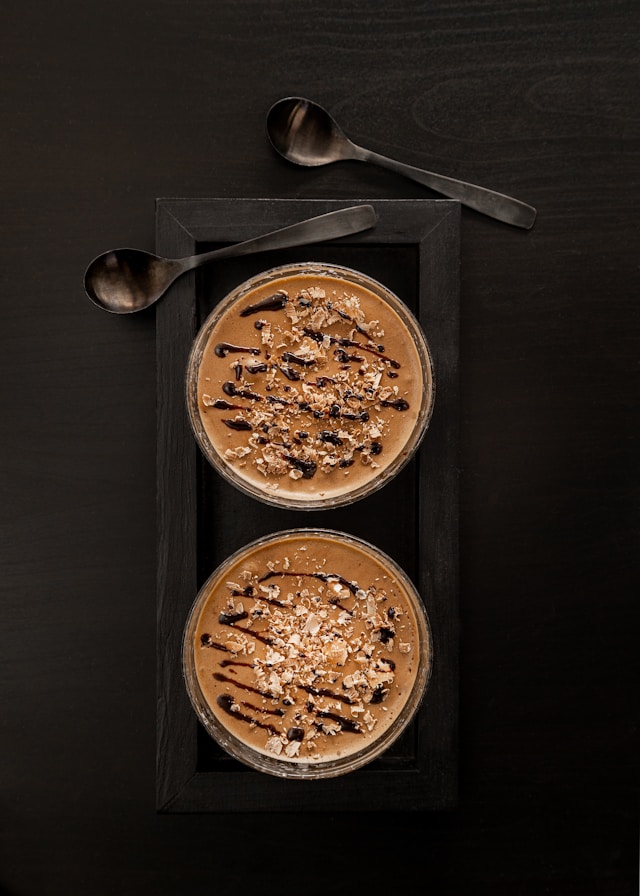
Serve chocolate mousse in individual white porcelain ramekins with a small demitasse spoon. No garnish beyond a crystal or two of fleur de sel. This is how you will find it in every honest Parisian bistro, and there is nothing to improve upon.
Verrines (Layered Glasses)
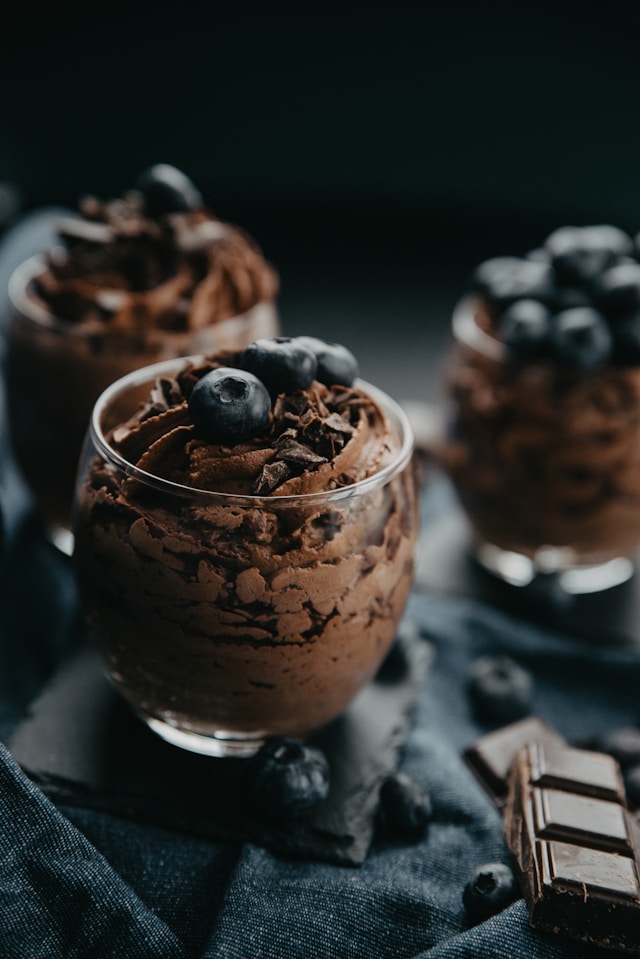
Spoon the chocolate mousse into small, elegant glasses — the kind used for aperitif wines — and layer with a tablespoon of softly whipped cream and a dusting of high-quality cocoa powder. The visual contrast of dark mousse, white cream, and dusted cocoa is striking on a table.
Grand Sharing Bowl
For a relaxed dinner party, set the entire chocolate mousse in a large, beautiful serving bowl and let guests spoon it themselves at the table. This style encourages second helpings and creates a convivial, informal atmosphere that is entirely French in spirit.
Make-Ahead Notes and Storage
Mousse au chocolat is one of the great make-ahead desserts. Prepared the night before a dinner party, it actually improves — the flavors deepen and integrate, and the texture firms to the ideal consistency. Cover tightly with plastic wrap pressed directly against the surface of the mousse (this prevents a skin from forming) and refrigerate for up to 24 hours. Do not freeze — freezing damages the air structure and produces an icy, grainy result.
Leftover chocolate mousse (an unlikely circumstance) can be refrigerated for two days. It will firm considerably and can be rolled into truffles: scoop into balls, roll in high-quality cocoa powder, and serve as a very stylish petit four.
Wine and Beverage Pairings
Chocolate is notoriously difficult to pair with wine — its bitterness can make many wines taste sharp and thin. The general rule is to match the intensity of the chocolate with an equally intense, sweet wine. A 10-year tawny Port is the most reliable pairing on the planet for a high-cacao mousse: its notes of dried fruit, toffee, and roasted nuts are a perfect structural echo of the chocolate mousse itself, while its sweetness complements without cloying.
For a non-wine option, the chocolate mousse pairs magnificently with a small, strong espresso — the bitterness of the coffee amplifies the chocolate rather than competing with it. A glass of aged Armagnac alongside the mousse is the sophisticated French choice; the spirit’s vanilla and dried fruit characteristics harmonize beautifully with dark chocolate’s complex flavor profile.
“A mousse au chocolat made with ninety-seconds of care at the whipping stage and patience at the folding stage will outlast any fancy dessert in the memory of your dinner guests. Simplicity, done perfectly, is always the most impressive thing in a room.”
Common Mistakes and How to Avoid Them
1. The chocolate seized when I added the yolks
The chocolate was still too hot. Let it cool for at least five minutes — it should be warm to the touch but not steaming — before adding the yolks. The target temperature is around 115°F (46°C): warm enough to keep the chocolate fluid, cool enough not to cook the eggs.
2. The chocolate mousse came out grainy or lumpy
Either the egg whites were overwhipped to a dry, grainy texture before folding, or the chocolate was too cool and firm when the whites were incorporated, causing it to set in clumps before the fold was complete. Work quickly and keep the chocolate at the right temperature.
3. The mousse didn't set — it's still liquid after chilling
The egg whites were under-whipped and contained insufficient air structure to support the mousse as it set. They should reach firm, glossy stiff peaks — not just soft billowy ones — before folding. When in doubt, whip a little longer.
Chocolate Mousse Recipe tested and written for a home kitchen. Use the best chocolate you can find — the recipe is only as good as its ingredients.