

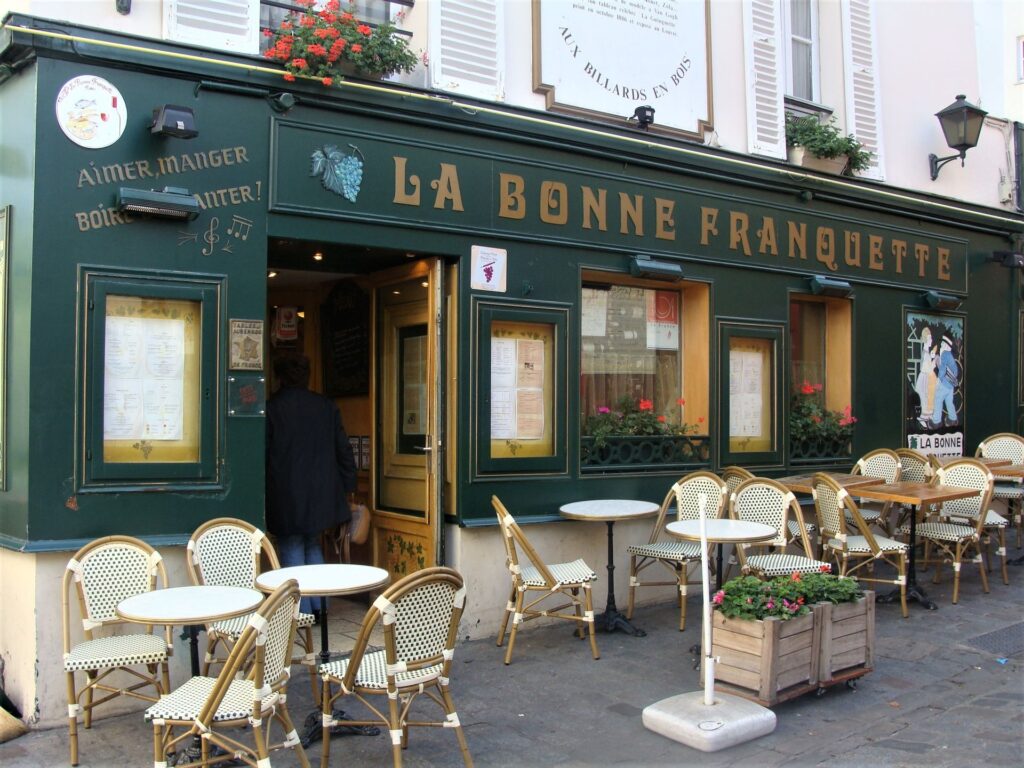
There is a moment in every great cultural movement when the gatekeepers lose control of the door. In the world of French cuisine, that moment arrived in 1992, when a young, Béarn-born chef named Yves Camdeborde opened a modest restaurant in the 14th arrondissement of Paris and quietly dismantled one of the most rigid hierarchies in the culinary world. The movement he sparked — Bistronomie — would go on to reshape how the world thinks about serious cooking, accessible dining, and the relationship between chef and guest.
What Is Bistronomie?
by Debra Malota • Chef Francis • Private French Dining • NYC, Philadelphia, Connecticut, New Jersey
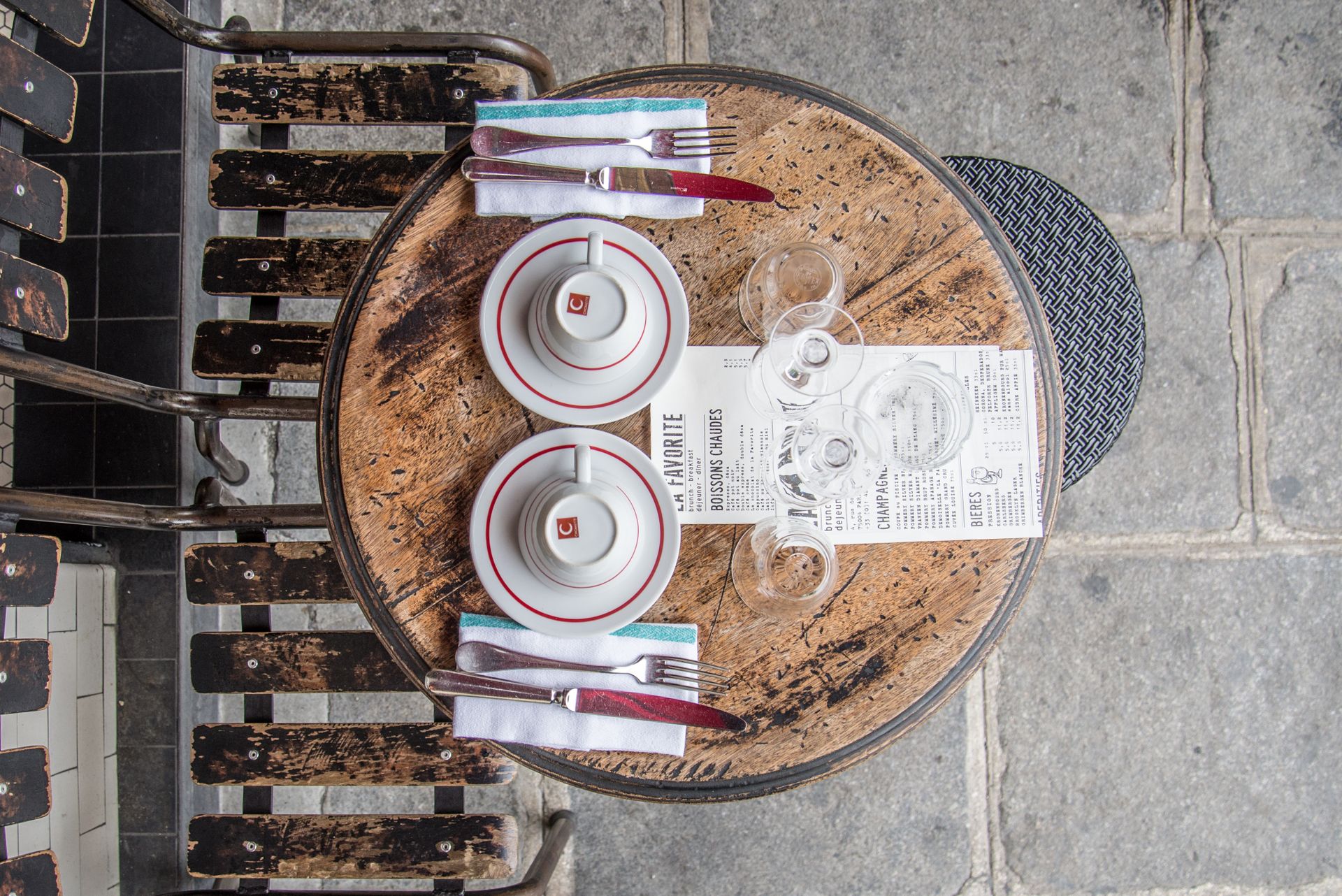
The word itself is a portmanteau of bistro and gastronomie (gastronomy), and the concept is as elegant as the name suggests. Bistronomie is a culinary style that fuses the relaxed, convivial atmosphere of the traditional French bistro with the rigorous techniques and creative ambition of haute cuisine. Diners receive dishes elevated by high-level culinary methods and premium seasonal ingredients, but served in an unpretentious environment and — crucially — at prices that don’t require a second mortgage.
As a philosophy, Bistronomie operates on the belief that extraordinary food should not be the exclusive province of white-tablecloth temples requiring months of advance reservations and formal dress codes. The quality lives in the plate, not the décor. The experience is defined by warmth and flavor, not ceremony and intimidation.
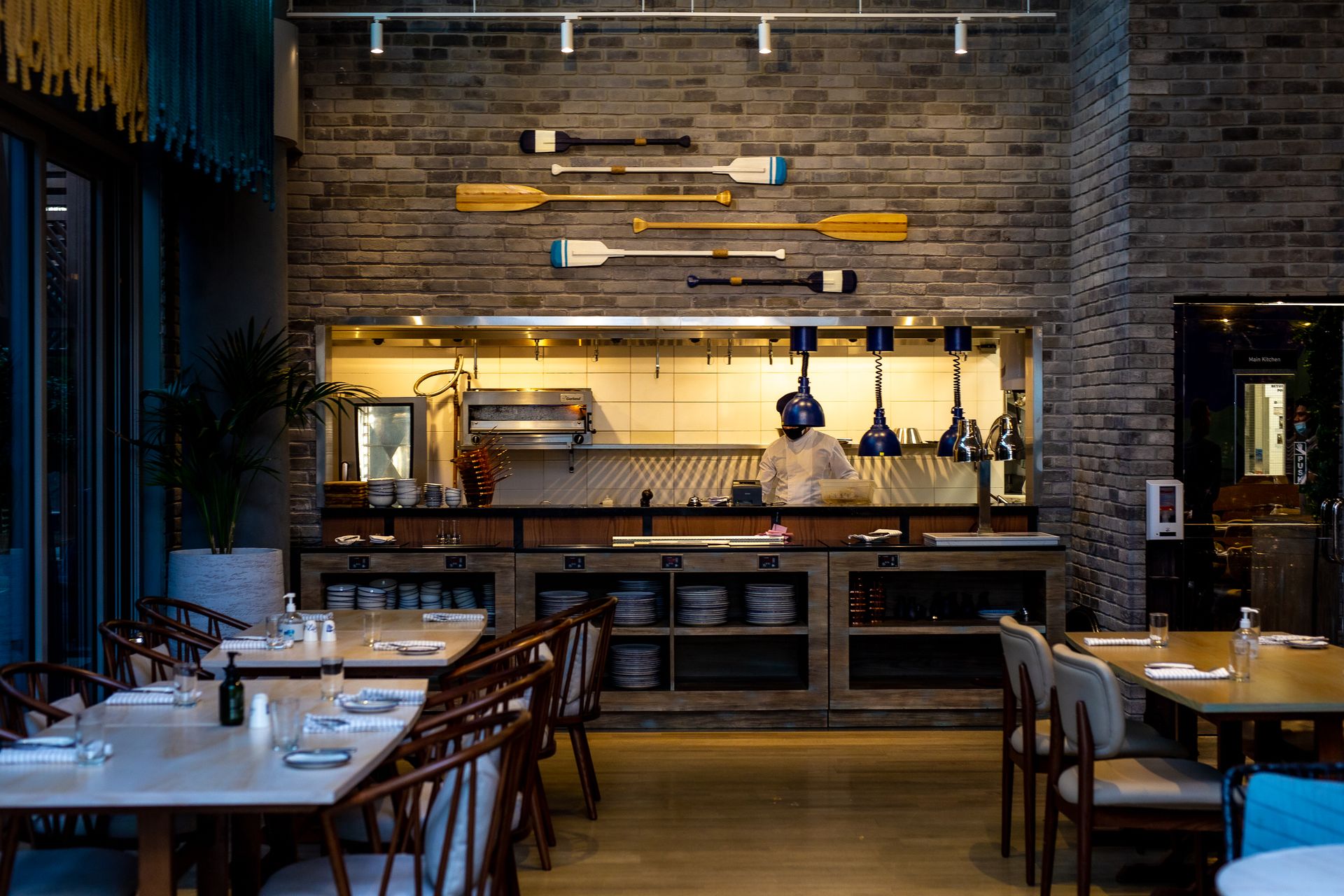
The Origins: Paris in the Early 1990s
To understand why Bistronomie emerged when it did, you have to understand the economic and cultural climate of early 1990s Paris. The Gulf War had dampened consumer confidence across Europe, and the French restaurant scene was experiencing a crisis of relevance. Grand gastronomique establishments were becoming increasingly inaccessible — financially and psychologically — to ordinary diners. Meanwhile, the bistro, France’s beloved neighborhood eatery, had largely stagnated into a land of reheated classics and mediocre execution.
It was into this vacuum that Yves Camdeborde stepped. Having trained at some of Paris’s most prestigious addresses — the Ritz, La Tour d’Argent, and the Hôtel de Crillon under the mentorship of legendary chef Christian Constant — Camdeborde had absorbed the full weight of classical French technique. But when the time came to open his own place, economic reality forced a pivot. Rather than attempting a restaurant gastronomique he couldn’t afford to launch properly, he chose a different equation: offer a complete, high-quality menu for fewer than 40 euros per person, making cuts in décor and protocol but never in the quality of what arrived on the plate.
The result was La Régalade, and it changed everything.
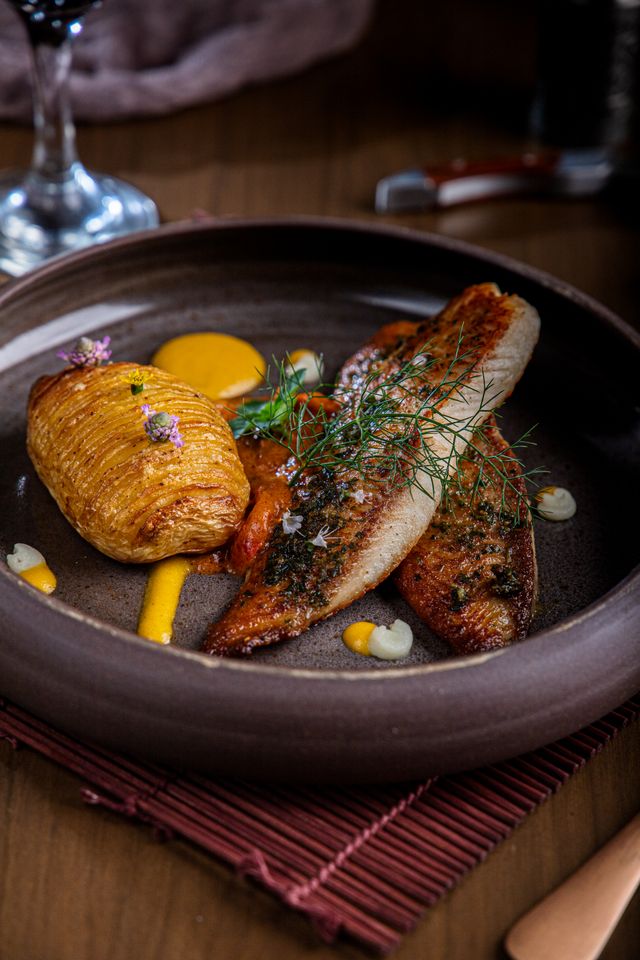
The Founder: Yves Camdeborde
Born December 7, 1964, in Pau in the Béarn region of southwest France, Yves Camdeborde left school at 14 to pursue cooking — drawn more by a desire for independence than by any particular culinary calling. That pragmatism would later define his philosophy. After earning his professional certification and working his way through the Parisian elite kitchen circuit, he opened La Régalade at just 26 years old.
What made La Régalade revolutionary wasn’t a single dish or technique — it was the entire proposition. Here was a chef with verifiable grande cuisine credentials producing food of genuine sophistication in a room that felt like your neighbor’s dining table. The atmosphere was noisy, joyful, and democratic. The food was serious. The bill was reasonable. Parisians lined up for it immediately.
Although Camdeborde himself has often deflected the title of “founder,” preferring to say that Bistronomie simply imposed itself on him through circumstance, the culinary world has been less modest on his behalf. He is now widely recognized, in France and internationally, as the pioneer who gave birth to this movement. As the London Speaker Bureau notes, he is considered “the pioneer and founder of the mixture of bistro cuisine and gastronomy: Bistronomie.”
In 2005, Camdeborde sold La Régalade and opened Le Comptoir du Relais in the Saint-Germain-des-Prés neighborhood, where the bistronomie concept matured further — functioning as a casual brasserie at lunch and transforming into a more refined gastronomic experience in the evenings.
The Principles
Bistronomie is not a rigid doctrine, but several core principles define its character: Technique without theater. The cooking draws on classical and contemporary fine-dining methods — precise saucing, careful sourcing, creative plating — but is never deployed as performance art. The food speaks; the room doesn’t need to shout.
Seasonality and terroir. Bistronomie chefs commit to local, seasonal ingredients, often working directly with small independent producers and farmers. The market drives the menu, not the other way around.
Accessibility without compromise. The guiding pricing philosophy insists that quality cooking should be within reach of students, workers, and families — not only executives on expense accounts.
Freedom over formality. These restaurants reject the star-seeking machinery of institutional fine dining. Chefs cook what they want to cook. There are no dress codes, no armies of waitstaff, no silver cloches.
The guest experience first. The diner’s pleasure — comfort, conversation, spontaneity — takes precedence over the restaurant’s prestige.
A Bistronomie Menu:
What It Looks Like on the Plate
Oufs mayonnaise, crispy shallots, trout roe
The most democratic of French starters, treated with the care of a three-star kitchen. House-made aioli, a perfectly set yolk, a whisper of brine from the roe.
Foie gras terrine, raisin brioche, lemon marmalade
Rich and quietly luxurious — served on a wooden board, not a gilded plate. The marmalade cuts the fat with just enough citrus sharpness.
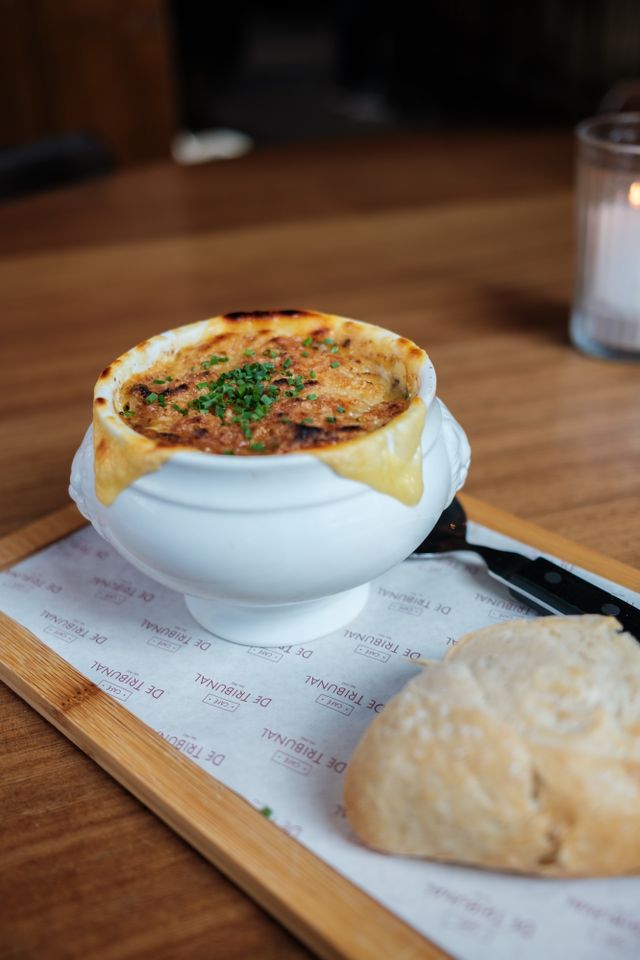
Soupe à l'oignon gratinée
Slow-caramelized for hours, finished with a gruyère croûte made from bread baked in-house. A bistro institution executed without a single shortcut.
Turbot de Bretagne, sauce béarnaise
Premium Atlantic turbot, simply roasted, with a classically made butter and tarragon sauce. The ingredient earns every euro of the price. The technique does the rest.
Confit de canard, lentilles du Puy vinaigrette
Duck leg rendered in its own fat until the meat falls from the bone, rested on lentils dressed with shallot and sharp red wine vinegar. Peasant origins, chef-level execution.
Tarte Tatin, crème fraîche
Caramelized upside-down apple tart with carefully laminated pastry. Served warm. Completely unadorned.
Mousse au chocolat, fleur de sel
Single-origin chocolate, whipped to a deep, airy intensity, finished with a pinch of sea salt. Served in a bowl, not sculpted into a tower.
The Naming of the Movement
Interestingly, the word “Bistronomie” itself did not appear until over a decade after the practice began. According to food writer Sébastien Demorand, it was he who coined the term in 2004, giving formal language to a phenomenon that had been quietly reshaping Parisian dining for more than ten years. Demorand would later become a jury member alongside Camdeborde on the French version of MasterChef, cementing their partnership in the popular understanding of French culinary culture.
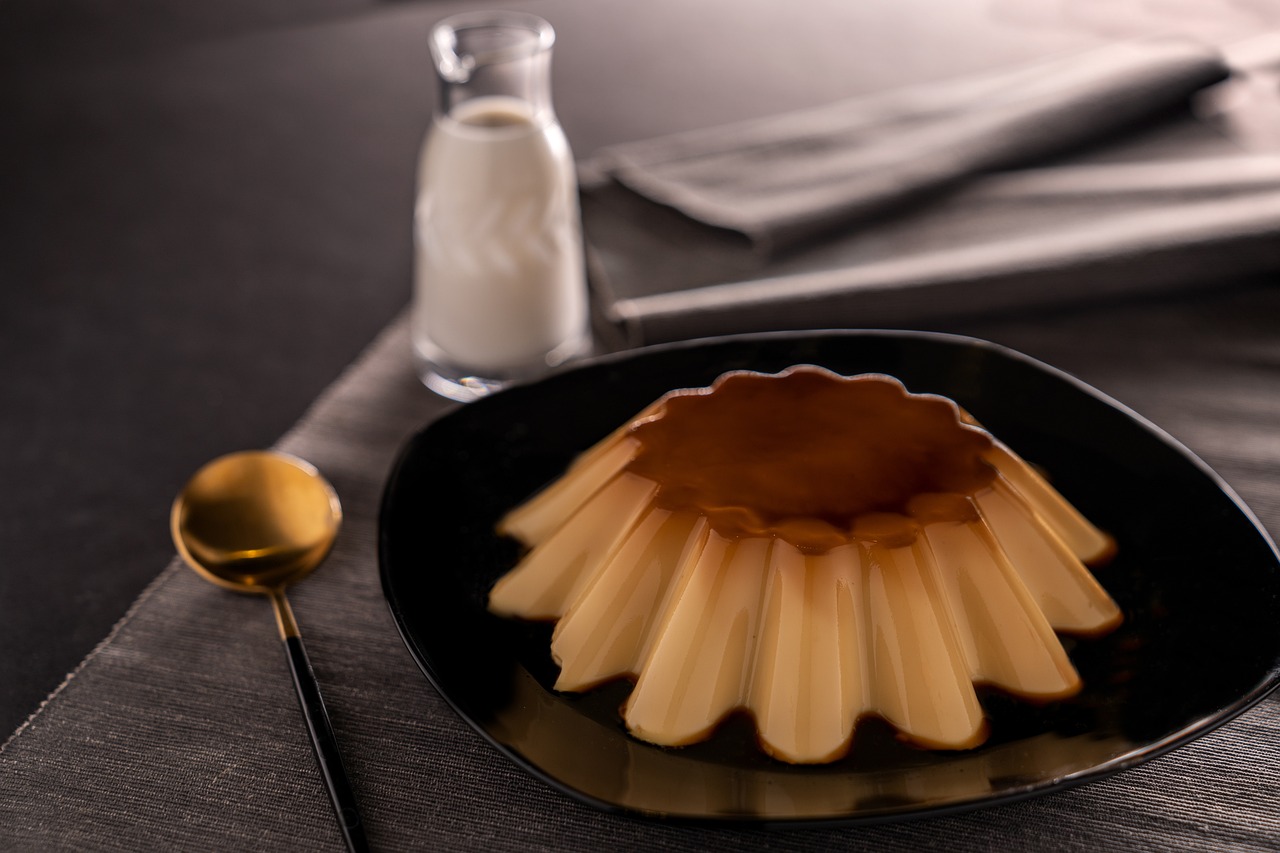
Key Figures Who Shaped the Movement
While Camdeborde is the acknowledged patriarch, Bistronomie was shaped by a constellation of chefs, many of whom trained under the same mentors before striking out in the same spirit. Christian Constant, Camdeborde’s own mentor at the Ritz and the Crillon, became a prominent figure in the movement himself. His influence can be traced through virtually every early bistronomie chef of note.
Thierry Breton and Stéphane Jégo both embraced the evolving trend, building restaurants rooted in the same accessible-excellence philosophy. Éric Frechon, a three-Michelin-star chef at the Bristol, brought the aesthetic to his restaurant Lazare at the Gare Saint-Lazare — proving bistronomie’s reach extended even to the grandest of chefs.
Alain Senderens, a titan of Nouvelle Cuisine, made perhaps the movement’s most dramatic statement when he voluntarily surrendered his three Michelin stars in 2005 to pursue a simpler, more spontaneous dining ethos — a gesture that legitimized bistronomie in the eyes of the entire establishment.
Bertrand Grébaut and Sven Chartier, both alumni of Alain Passard’s kitchen, carried bistronomie into the next generation, opening restaurants that brought the movement’s spirit into the 2010s with a contemporary sensibility.
Even Alain Ducasse, the most decorated chef in the world, eventually aligned himself with the movement’s commercial logic, opening bistronomie-adjacent restaurants including Aux Lyonnais (2002), Benoît (2005), and Allard (2013).
The Global Evolution
What began as a Parisian phenomenon has traveled. The bistronomie model proved exportable because its underlying logic is universal: people everywhere want to eat extraordinarily well without performing wealth to do so. Cities from New York and London to Tokyo and Melbourne have developed their own versions of the bistronomie sensibility — casual rooms anchored by chefs with serious pedigrees who prioritize cooking over ceremony.
The movement has, however, encountered its own contradictions. Some of its most beloved restaurants became so popular that reservation waitlists stretched for months, undermining the original democratic accessibility that made them revolutionary. The very success of bistronomie, in some cases, reproduced the exclusivity it set out to dissolve.
Yet the movement’s cultural DNA survives in those contradictions. It permanently changed the expectations diners carry into any serious restaurant: quality should not require formality, seasonality is not optional, and the gap between “casual” and “excellent” is a false one.
Why It Still Matters
Bistronomie was not a trend. It was a correction — a recalibration of an entire culinary ecosystem that had drifted away from its fundamental purpose: feeding people well and making them happy. Yves Camdeborde and the chefs who followed him demonstrated that technique without accessibility is theater, and that a great meal is ultimately measured in the pleasure it produces, not the price it commands.
For anyone serious about the evolving philosophy of food culture, exploring the deeper principles of movements like bistronomie is well worth the time. The EHL Insights culinary resource offers a thorough overview of how the movement’s components continue to influence modern restaurant culture globally.
The bistro was always France’s most human dining institution. Bistronomie simply gave it a brain to match its heart.



This sounds really cool. I wish there were a site that lists where to find one.
thank u. this is interesting.